📺 Mortal Kombat: Legacy (2011)
Based on video game
Before the thunderous applause for a new, R-rated cinematic reboot, there was a gritty, ground-level experiment that redefined how a fighting game could be adapted for the screen. "Mortal Kombat: Legacy" was born not from a boardroom pitch, but from a viral short film. Director Kevin Tancharoen’s "Mortal Kombat: Rebirth" reimagined the franchise’s fantastical lore in a stark, realistic crime-drama aesthetic, turning iconic characters like Reptile and Johnny Cage into grounded, almost plausible figures. The short’s explosive online popularity convinced Warner Bros. to forgo a traditional feature film and instead greenlight a web series, giving Tancharoen the freedom to explore the mythology in a bold new format.
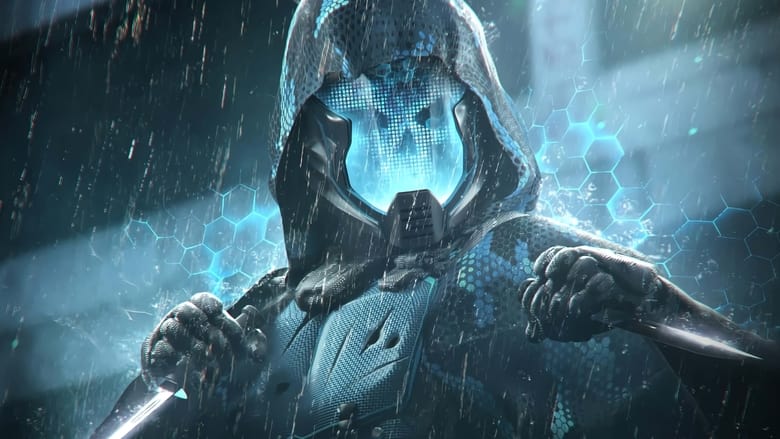
The first season functions as a prequel anthology, trading the tournament structure of the 1992 game for a series of character-driven origin vignettes. Each episode peels back the supernatural layers to reveal a world of black-ops mercenaries, ancient curses, and psychological trauma. The thunder god Raiden is recast as a patient in a mental institution, while the cryomancer Sub-Zero’s powers are rooted in a tragic, hereditary condition. This radical deconstruction polarized fans but was undeniably ambitious, using the web series medium to tell nonlinear, intimate stories that a two-hour film could never accommodate. The approach was a direct response to the source material’s thin narrative, fleshing out the motivations for why these warriors would risk their lives in Shang Tsung’s tournament.
When the series returned for its second season, it pivoted sharply, embracing the tournament itself and moving closer to the game’s fantastical roots. The grounded realism gave way to martial arts fantasy, with characters like Liu Kang and Kung Lao finally entering the fray in a more recognizable form. This shift reflected the ongoing tension in adapting "Mortal Kombat"—the balance between making the outlandish premise believable and delivering the supernatural spectacle fans expect. Despite a lower budget, the second season delivered ambitious fight choreography and directly tackled the central narrative of Earthrealm’s champions battling to prevent Outworld’s invasion, a plot point the first season had only teased.
"Mortal Kombat: Legacy" stands as a pivotal, if imperfect, milestone in video game adaptations. It proved that a creator’s passionate, singular vision could bypass the traditional Hollywood system and find a massive audience directly online. While its legacy was eventually overshadowed by the 2021 feature film, the web series’ influence is undeniable; it demonstrated a viable path for translating game lore with a mature, serialized depth, and its casting of actors like Ian Anthony Dale as Scorpion left such an impression that he was brought back to voice the character in the subsequent animated films, bridging the gap between a low-budget web experiment and the broader franchise canon.

Mortal Kombat is a fighting video game developed and published by Midway Games, first released in arcades in 1992. Created by Ed Boon and John Tobias, the game distinguished itself from other fighting games of the era through its use of digitized sprites of real actors, a darker fantasy aesthetic, and its notorious, over-the-top graphic violence, including the series' signature 'Fatality' finishing moves.
The game's story centers on the Mortal Kombat tournament, a martial arts competition held between the realms of Earthrealm and Outworld. If Outworld's champions win ten consecutive tournaments, the evil emperor Shao Kahn will be allowed to conquer Earthrealm. The original game follows Earthrealm's defenders, including Liu Kang, Johnny Cage, and Sonya Blade, as they fight to prevent this outcome under the guidance of the thunder god Raiden.
Mortal Kombat was a massive commercial and cultural phenomenon, sparking a franchise that includes numerous sequels, spin-off games, films, television series, comic books, and merchandise. Its intense violence led to the creation of the Entertainment Software Rating Board (ESRB) in the United States, forever changing the landscape of video game regulation.