🎬 Mortal Kombat II (2026)
Part of Mortal Kombat (Reboot)
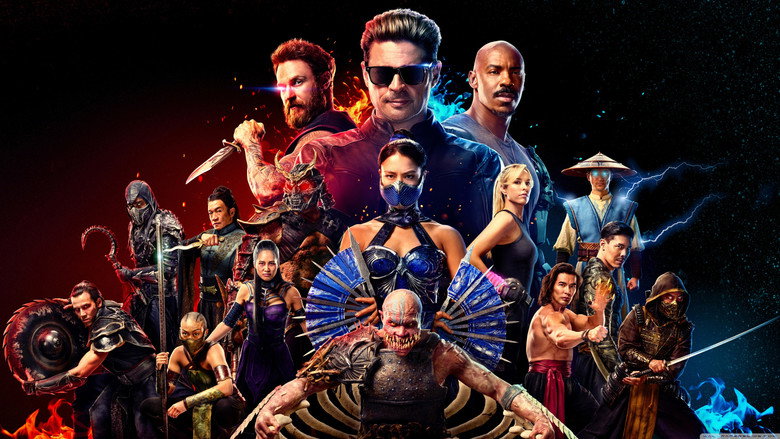
The 2026 sequel plunges directly into the tournament that fans of the games have been clamoring for since the 2021 reboot’s cliffhanger ending. Where the first film spent much of its runtime establishing the lore and an original protagonist, Cole Young, Mortal Kombat II wastes no time assembling its iconic roster for the ultimate battle. The story pulls heavily from the mythos of Mortal Kombat II and Mortal Kombat 3, with Shao Kahn’s forces threatening to merge Outworld and Earthrealm unless Earth’s champions can prevail in a new, deadlier tournament. The most celebrated addition is Karl Urban’s Johnny Cage, a washed-up action star whose ego and unexpected fighting prowess provide both comic relief and genuine heart. His dynamic with the returning Sonia Blade and Jax bridges the gap between the audience and the increasingly supernatural stakes, while the film also introduces the Edenian princess Kitana, played by Adeline Rudolph, as a morally conflicted warrior who becomes a crucial ally.
Director Simon McQuoid, returning from the 2021 film, doubles down on the gory, R-rated action that defines the franchise. Fatalities are wince-inducingly faithful to the games, and the fight choreography leans into the distinct styles of each kombatant—from Liu Kang’s fiery bicycle kicks to Scorpion’s hellish resurrection at a pivotal moment. The film boldly reimagines the tournament structure, blending the one-on-one bouts of the early games with the large-scale invasion of Mortal Kombat 3, creating a cinematic pace that keeps the roster of over a dozen characters from feeling cluttered. Shao Kahn, a towering presence played by Martyn Ford, is a far more active and brutal antagonist than the sorcerer Shang Tsung of the previous film, and his tyrannical rule raises the stakes considerably.
Behind the scenes, the production overcame significant hurdles. Filming in Australia was halted by the 2023 SAG-AFTRA strike, but the cast and crew returned to finish principal photography in early 2024. The screenplay by Jeremy Slater (known for Moon Knight) streamlines the convoluted game lore, wisely excising the more esoteric elements while honoring the core character arcs. Classic catchphrases and the iconic techno theme are woven in without feeling forced, and the film’s darker, more urban aesthetic for Outworld nods to the visual shift of Mortal Kombat 3 while remaining its own thing.
Upon its May 2026 release, Mortal Kombat II earned $129 million worldwide on an $80 million budget, a solid but not spectacular return that reflected a marketplace still recovering from post-pandemic shifts. Critics were kinder than they were to its predecessor, praising the improved pacing, fan service, and Urban’s performance, though some still found the plot thin and the Cole Young character superfluous. The film’s greatest achievement is finally delivering a live-action tournament that feels like the games—complete with the stage pits, acid pools, and spine-ripping finishes that have made the franchise a cultural touchstone for over three decades.

Mortal Kombat is a fighting video game developed and published by Midway Games, first released in arcades in 1992. Created by Ed Boon and John Tobias, the game distinguished itself from other fighting games of the era through its use of digitized sprites of real actors, a darker fantasy aesthetic, and its notorious, over-the-top graphic violence, including the series' signature 'Fatality' finishing moves.
The game's story centers on the Mortal Kombat tournament, a martial arts competition held between the realms of Earthrealm and Outworld. If Outworld's champions win ten consecutive tournaments, the evil emperor Shao Kahn will be allowed to conquer Earthrealm. The original game follows Earthrealm's defenders, including Liu Kang, Johnny Cage, and Sonya Blade, as they fight to prevent this outcome under the guidance of the thunder god Raiden.
Mortal Kombat was a massive commercial and cultural phenomenon, sparking a franchise that includes numerous sequels, spin-off games, films, television series, comic books, and merchandise. Its intense violence led to the creation of the Entertainment Software Rating Board (ESRB) in the United States, forever changing the landscape of video game regulation.
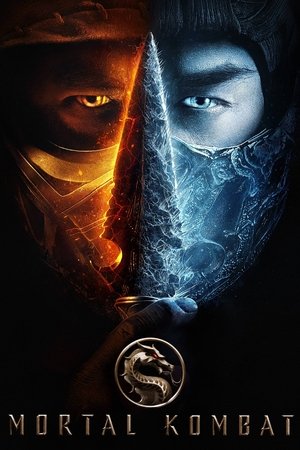
The Mortal Kombat reboot collection is a cinematic reimagining of the iconic fighting game series, translating its brutal tournament and rich mythology into a modern film series. Launched in 2021, this iteration aims to honor the legacy of the original games while introducing a fresh narrative direction for a new generation. The collection centers on the mystical Mortal Kombat tournament, a high-stakes competition where warriors from Earthrealm must master their combat skills to defend their world from the interdimensional threats of Outworld. Drawing heavily from the source material's extensive lore, the films blend martial arts spectacle with dark fantasy elements, emphasizing practical effects, elaborate fight choreography, and the signature finishing moves that have become cultural touchstones for fans of the genre.\n\nAt its core, the series explores themes of destiny, redemption, and the burden of leadership as ordinary fighters are thrust into extraordinary circumstances. The narrative framework is built around the eternal struggle between light and darkness, with characters grappling with their inner demons while facing supernatural adversaries. The reboot seeks to balance reverence for the established roster and mythology with a streamlined story that can stand on its own, introducing key figures like Scorpion, Sub-Zero, and Liu Kang in a grounded yet fantastical context. The emphasis on practical stunt work and visceral combat aims to capture the gritty aesthetic that defined the original games, setting it apart from more effects-driven fantasy films.\n\nAs a continuation of one of the most enduring video game adaptations in cinema, this collection carries the weight of a dedicated global following that has spanned decades. The 2021 film laid the groundwork by establishing the rules of the tournament and assembling a new generation of champions, while the upcoming sequel promises to expand the roster and raise the stakes. By modernizing the franchise’s visual language and storytelling while preserving its core identity, the reboot collection seeks to ensure that the Mortal Kombat tournament remains a cornerstone of action-fantasy cinema.