🎬 Mortal Kombat: Annihilation (1997)
Part of Mortal Kombat
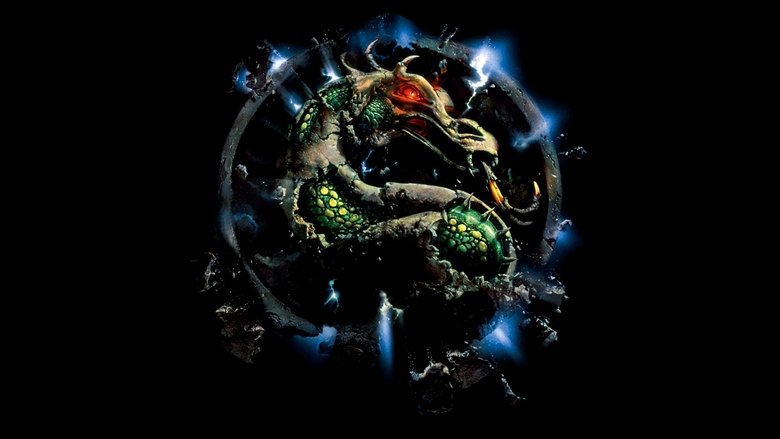
If the 1995 Mortal Kombat film was a surprisingly faithful and well-received punch, its 1997 sequel, Mortal Kombat: Annihilation, was a dizzying, chaotic spin-kick that missed its target almost completely. Largely adapting the plot of the video game Mortal Kombat 3, the film attempts to cram an entire game's worth of characters and lore into a lean 95-minute runtime. The result is a frantic, almost nonsensical parade of new fighters, from the cybernetic Cyrax to the four-armed Sheeva, who appear with little introduction, fight briefly, and are dispatched just as quickly. The film's most infamous misstep is the immediate and unceremonious death of Johnny Cage, a fan-favorite hero from the first film, within the opening minutes, a decision that set a grim tone for the rest of the experience.
Beyond its breakneck pacing, Annihilation was plagued by a near-total recasting of its principal heroes. Only Robin Shou and Talisa Soto returned as Liu Kang and Kitana, while key roles like Raiden, Sonya Blade, and Shao Kahn were filled by new actors who struggled to capture the spirit of their predecessors. James Remar's take on the thunder god was a far cry from Christopher Lambert's charismatic mentor, and the dialogue, packed with exposition about elder gods and portals, often tipped into the realm of high camp. The special effects, ambitious for their time, were notoriously poor, with Animalities—a key feature from the game where fighters morph into beasts—rendered with laughably dated CGI that became a lightning rod for criticism.
Despite its many flaws, Mortal Kombat: Annihilation has achieved a peculiar kind of immortality as a cult curiosity. It is a masterclass in how not to adapt a video game, a film so committed to including every possible element from its source material that it forgets to build a coherent story. The film's critical thrashing and mediocre box office performance effectively killed the original film franchise, canceling a planned third installment and leaving the series in development hell for over two decades until its eventual 2021 reboot. For fans, it remains a fascinating, if deeply flawed, artifact of 90s video game cinema, watched today more for its unintentional comedy than its martial arts action.

Mortal Kombat is a fighting video game developed and published by Midway Games, first released in arcades in 1992. Created by Ed Boon and John Tobias, the game distinguished itself from other fighting games of the era through its use of digitized sprites of real actors, a darker fantasy aesthetic, and its notorious, over-the-top graphic violence, including the series' signature 'Fatality' finishing moves.
The game's story centers on the Mortal Kombat tournament, a martial arts competition held between the realms of Earthrealm and Outworld. If Outworld's champions win ten consecutive tournaments, the evil emperor Shao Kahn will be allowed to conquer Earthrealm. The original game follows Earthrealm's defenders, including Liu Kang, Johnny Cage, and Sonya Blade, as they fight to prevent this outcome under the guidance of the thunder god Raiden.
Mortal Kombat was a massive commercial and cultural phenomenon, sparking a franchise that includes numerous sequels, spin-off games, films, television series, comic books, and merchandise. Its intense violence led to the creation of the Entertainment Software Rating Board (ESRB) in the United States, forever changing the landscape of video game regulation.
The Mortal Kombat collection originated in 1992 as a groundbreaking fighting video game developed by Midway Games. Designed as a darker, more visceral alternative to contemporary arcade competitors, it introduced digitized graphics featuring motion-captured real actors, which gave its combat a startling sense of realism. The series quickly became a cultural phenomenon, sparking intense debates over video game violence and leading to congressional hearings, while simultaneously cementing its place in gaming history through iconic mechanics like special moves and brutal finishing sequences known as fatalities. At its core, the collection revolves around a mystical martial arts tournament that serves as a battleground for various realms. Warriors from Earth and other dimensions clash to determine the fate of their worlds, blending Eastern mythology, supernatural elements, and high-stakes combat. This overarching narrative framework has allowed the property to expand far beyond its interactive roots, evolving into a sprawling multimedia universe encompassing comics, animated series, merchandise, and live-action adaptations. Over the decades, Mortal Kombat has maintained a lasting legacy by consistently pushing the boundaries of interactive entertainment and pop culture. Its distinctive blend of martial arts, fantasy lore, and unapologetic intensity has resonated with generations of fans, making it one of the most recognizable and enduring properties in the entertainment industry. The collection's ability to adapt while staying true to its gritty, tournament-driven roots continues to drive its relevance across multiple media formats.