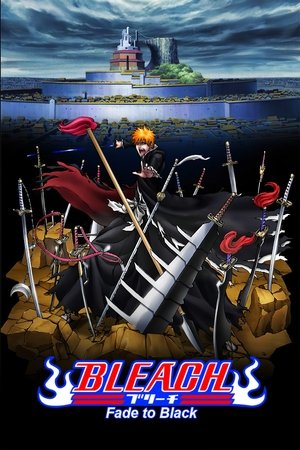
🎬 Bleach the Movie: Hell Verse (2010)
Part of Bleach
As the fourth and final animated feature spun from Tite Kubo's sprawling supernatural universe, "Bleach the Movie: Hell Verse" took the franchise into its darkest territory yet—literally. While the previous three films explored original side-stories within the established realms of Soul Society and Hueco Mundo, this 2010 entry finally opened the gates to Hell, a dimension only briefly glimpsed in the manga's early chapters. The story pulls Ichigo Kurosaki into a deeply personal crisis when masked sinners known as Sinners drag his younger sister Yuzu into the infernal realm, forcing him to ally with a mysterious denizen of Hell named Kokutō. The film is notable for being produced under Kubo's direct supervision, which lent its original characters and hellish lore a sense of canonical weight that other filler arcs and movies often lacked.
The adaptation makes a bold narrative choice by centering its emotional stakes on Ichigo's family, specifically his bond with Yuzu, rather than the more frequently explored dynamic with Rukia or his Soul Reaper comrades. Hell itself is rendered with striking visual flair, a landscape of towering bone structures, chains, and an oppressive crimson sky that distinguishes it from the cleaner aesthetics of the Seireitei. The film also cleverly integrates established villains from the manga's Arrancar arc—Szayelaporro Granz and Aaroniero Arruruerie—showing their tormented existence as Sinners in Hell, a concept that was further explored in the promotional manga chapter "Imaginary Number 01: The Unforgivens." This connective tissue rewarded longtime readers with a grim epilogue for characters whose original fates felt somewhat final.
Musically, the film is anchored by T.M.Revolution's "Save the One, Save the All," a bombastic theme that perfectly matches the high-stakes rescue mission at the story's core. The screenplay by Natsuko Takahashi and Masahiro Okubo balances the requisite shōnen action set-pieces with quieter moments of introspection, particularly as Ichigo confronts the full, terrifying potential of his Hollow powers in a realm where his usual allies are rendered powerless. The animation quality received a noticeable bump for the theatrical format, with fluid, kinetic fight choreography that takes full advantage of Hell's gravity-defying architecture. Released in Japanese theaters on December 4, 2010, the film strategically slotted between episodes 299 and 300 of the ongoing anime series, serving as a cinematic crescendo before the anime's original run began winding down.
Reception to "Hell Verse" was generally positive among fans, who appreciated its darker tone and the rare focus on Ichigo's mortal family. While it remains a self-contained side story that doesn't alter the main continuity, its exploration of Hell as a neutral, punitive realm—separate from the Soul Society's jurisdiction—added a fascinating layer to the series' already complex afterlife bureaucracy. The film stands as a fitting capstone to the Bleach theatrical saga, delivering the kind of high-concept, emotionally charged adventure that the franchise's best arcs are known for, all while finally answering a question that had lingered since the very first volume: what exactly happens to the souls too wicked for Soul Society?

Bleach is a Japanese manga series written and illustrated by Tite Kubo. It was serialized in Shueisha's Weekly Shōnen Jump magazine from August 2001 to August 2016, with its chapters collected into 74 tankōbon volumes. The story follows Ichigo Kurosaki, a teenager with the ability to see ghosts, who accidentally obtains the powers of a Soul Reaper—a celestial death personification—from Rukia Kuchiki. Forced to take on her duties, Ichigo must protect the living world from malevolent lost souls known as Hollows and guide the spirits of the dead to the afterlife.
The series quickly became one of the best-selling manga of all time, with over 130 million copies in circulation worldwide. Kubo's distinctive art style, character designs, and blend of supernatural action with humor and drama earned the series a massive international following. The manga's world-building expands significantly beyond its initial premise, introducing the Soul Society, a complex afterlife bureaucracy, and later the realms of Hueco Mundo and the Quincy army.
Bleach received the Shogakukan Manga Award for shōnen manga in 2005 and has been praised for its dynamic battle sequences and large ensemble cast. The series' influence extends well beyond its original run, with a 2018 live-action film adaptation and a 2021 one-shot sequel chapter that continued the story. The manga's final arc, the Thousand-Year Blood War, was notably not adapted in the original anime run, leaving fans waiting over a decade for its eventual animated conclusion.

The Bleach collection encompasses a quartet of animated feature films that expand upon the world and characters of Tite Kubo's acclaimed manga and anime series. Produced by Studio Pierrot and released between 2006 and 2010, these films—Memories of Nobody, The DiamondDust Rebellion, Fade to Black, and Hell Verse—offer self-contained narratives that complement the main storyline while exploring new dimensions of the Soul Reaper universe. Each entry delves into original conflicts and introduces unique characters, providing fans with cinematic adventures that capture the series' signature blend of supernatural action, emotional depth, and striking visual design.
Rooted in the lore of the Bleach saga, the films maintain the core themes of duty, sacrifice, and the blurred lines between life and death. They often focus on Ichigo Kurosaki's unwavering resolve to protect both the human world and the Soul Society, while also giving supporting characters moments to shine. The collection showcases the franchise's ability to craft compelling side stories that resonate with the overarching narrative, exploring concepts like memory, identity, and the consequences of wielding immense spiritual power.
Culturally, these films contributed to Bleach's status as one of the 'Big Three' shonen anime of the 2000s, alongside Naruto and One Piece. They were released during the peak of the anime's original broadcast run, serving as event releases that deepened fan engagement and demonstrated the property's commercial viability beyond television. The films were accompanied by promotional campaigns, original soundtracks by series composer Shirō Sagisu, and tie-in materials that enriched the viewing experience.
As a collection, the four movies represent a distinct chapter in the Bleach franchise's evolution, bridging the gap between the original anime series and its later revival with the Thousand-Year Blood War arc. While not essential to the main plot, they remain a beloved part of the series' legacy, offering high-quality animation and storytelling that honor Kubo's creative vision. The collection stands as a testament to the enduring appeal of Bleach and its capacity to inspire stories beyond the boundaries of its source material.