🎬 Bleach the Movie: Fade to Black (2008)
Part of Bleach
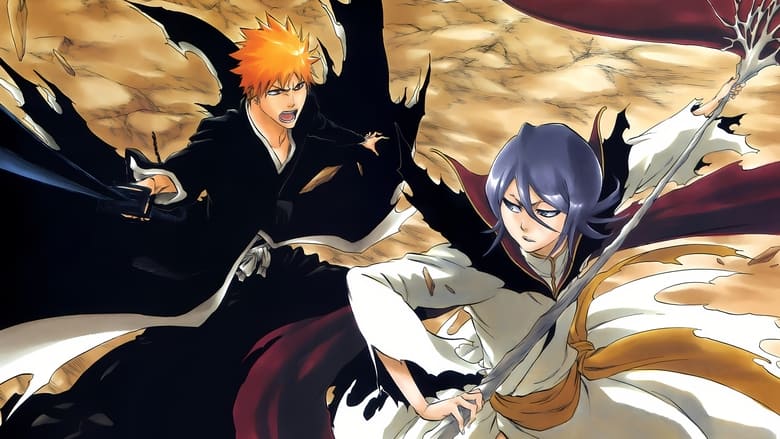
The third cinematic outing for Tite Kubo's substitute Soul Reaper, "Bleach the Movie: Fade to Black," takes a deeply personal turn by weaponizing memory itself. Directed by Noriyuki Abe, who also helmed the long-running anime series, the film constructs a nightmare scenario where Rukia Kuchiki is not just physically abducted but erased from the minds of everyone who loves her. A pair of mysterious siblings, Homura and Shizuku, infiltrate the Soul Society with a scythe that severs spiritual bonds, leaving Ichigo as the sole individual who remembers his first and most crucial ally. This narrative device allows the film to explore the foundational relationship of the entire franchise from a fresh, emotionally charged angle, forcing Ichigo to fight not just enemies but the very friends who have become his second family.
The film distinguishes itself from its predecessors by leaning heavily into psychological horror before escalating into its signature action set-pieces. The sight of a brainwashed Soul Society, with captains like Byakuya Kuchiki and Renji Abarai turning their blades against a bewildered Ichigo, creates a profound sense of isolation. The screenplay, co-written by Natsuko Takahashi and Masahiro Ōkubo, cleverly ties the antagonists' tragic backstory directly to Rukia's early days in the Rukongai district, retroactively adding layers to her pre-Soul Reaper past. While the amnesia plot is a classic anime film trope, "Fade to Black" executes it with enough visual flair and character-driven stakes to resonate strongly with fans, particularly in its quieter moments where a memory-less Rukia reverts to a childlike state, forcing Ichigo to rebuild their bond from scratch.
Visually, the film is a showcase for the franchise's distinctive aesthetic, with the explosion of reishi in Mayuri Kurotsuchi's laboratory providing a spectacular and eerie catalyst for the chaos. The animation quality is a noticeable step up from the weekly television series, delivering fluid, high-impact swordplay that culminates in a desperate battle within a frozen, crystallized Seireitei. The theme song, "Koyoi, Tsuki ga Miezutomo" by Porno Graffitti, perfectly underscores the film's melancholic yet hopeful tone. Released in Japanese theaters on December 13, 2008, the film was strategically placed between episodes 198 and 199 of the anime, making it a canonical side-story that enriches the main narrative without disrupting its flow.
Upon its home video release, "Fade to Black" included a charming bonus scene of Ichigo, Rukia, and Kon departing for the World of the Living, offering a lighthearted coda to the intense drama. The English dub, which arrived in 2011, allowed the international fanbase to experience the story with the familiar voice cast. While it may not reach the bombastic, hellish spectacle of the later "Hell Verse" film, "Fade to Black" is often celebrated by the fandom for its intimate focus on the unbreakable, albeit temporarily forgotten, bond between a Soul Reaper and the boy who borrowed her powers. It stands as a testament to the idea that some connections transcend even the most powerful magic.

Bleach is a Japanese manga series written and illustrated by Tite Kubo. It was serialized in Shueisha's Weekly Shōnen Jump magazine from August 2001 to August 2016, with its chapters collected into 74 tankōbon volumes. The story follows Ichigo Kurosaki, a teenager with the ability to see ghosts, who accidentally obtains the powers of a Soul Reaper—a celestial death personification—from Rukia Kuchiki. Forced to take on her duties, Ichigo must protect the living world from malevolent lost souls known as Hollows and guide the spirits of the dead to the afterlife.
The series quickly became one of the best-selling manga of all time, with over 130 million copies in circulation worldwide. Kubo's distinctive art style, character designs, and blend of supernatural action with humor and drama earned the series a massive international following. The manga's world-building expands significantly beyond its initial premise, introducing the Soul Society, a complex afterlife bureaucracy, and later the realms of Hueco Mundo and the Quincy army.
Bleach received the Shogakukan Manga Award for shōnen manga in 2005 and has been praised for its dynamic battle sequences and large ensemble cast. The series' influence extends well beyond its original run, with a 2018 live-action film adaptation and a 2021 one-shot sequel chapter that continued the story. The manga's final arc, the Thousand-Year Blood War, was notably not adapted in the original anime run, leaving fans waiting over a decade for its eventual animated conclusion.

The Bleach collection encompasses a quartet of animated feature films that expand upon the world and characters of Tite Kubo's acclaimed manga and anime series. Produced by Studio Pierrot and released between 2006 and 2010, these films—Memories of Nobody, The DiamondDust Rebellion, Fade to Black, and Hell Verse—offer self-contained narratives that complement the main storyline while exploring new dimensions of the Soul Reaper universe. Each entry delves into original conflicts and introduces unique characters, providing fans with cinematic adventures that capture the series' signature blend of supernatural action, emotional depth, and striking visual design.
Rooted in the lore of the Bleach saga, the films maintain the core themes of duty, sacrifice, and the blurred lines between life and death. They often focus on Ichigo Kurosaki's unwavering resolve to protect both the human world and the Soul Society, while also giving supporting characters moments to shine. The collection showcases the franchise's ability to craft compelling side stories that resonate with the overarching narrative, exploring concepts like memory, identity, and the consequences of wielding immense spiritual power.
Culturally, these films contributed to Bleach's status as one of the 'Big Three' shonen anime of the 2000s, alongside Naruto and One Piece. They were released during the peak of the anime's original broadcast run, serving as event releases that deepened fan engagement and demonstrated the property's commercial viability beyond television. The films were accompanied by promotional campaigns, original soundtracks by series composer Shirō Sagisu, and tie-in materials that enriched the viewing experience.
As a collection, the four movies represent a distinct chapter in the Bleach franchise's evolution, bridging the gap between the original anime series and its later revival with the Thousand-Year Blood War arc. While not essential to the main plot, they remain a beloved part of the series' legacy, offering high-quality animation and storytelling that honor Kubo's creative vision. The collection stands as a testament to the enduring appeal of Bleach and its capacity to inspire stories beyond the boundaries of its source material.