📺 The Good Wife (2009)
Part of The Good Wife Franchise
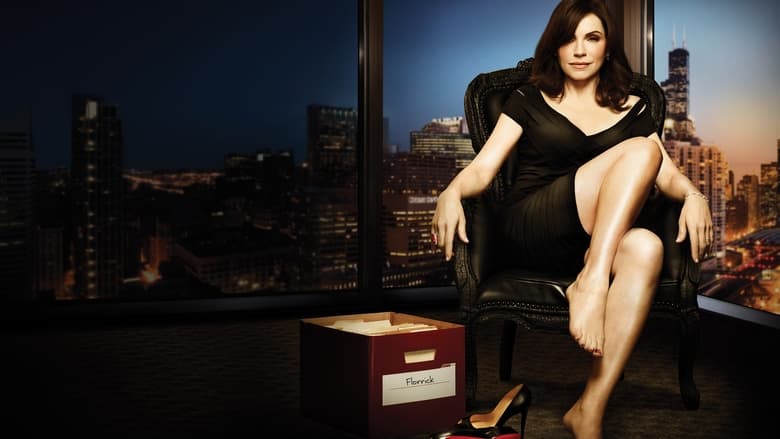
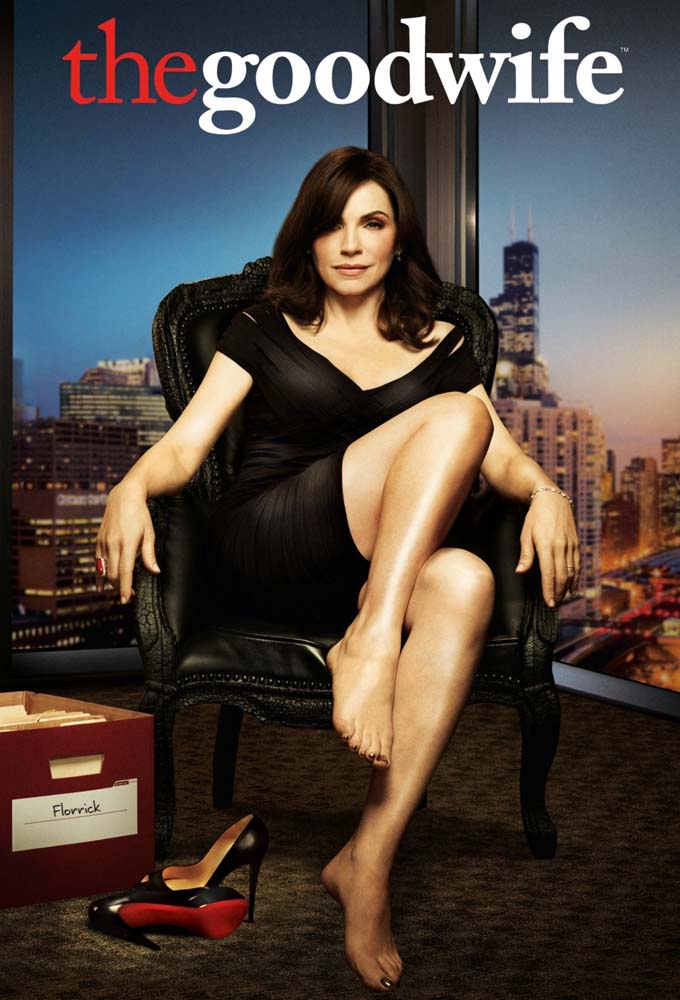
The Good Wife is an American legal and political drama television series that aired on CBS from September 22, 2009, to May 8, 2016. Created by Robert and Michelle King, the series stars Julianna Margulies as Alicia Florrick, a woman who returns to her legal career as a junior litigator at a prestigious Chicago law firm after her husband, the Cook County State's Attorney, is imprisoned following a very public sex and corruption scandal. The show masterfully blends serialized character arcs with self-contained legal cases of the week, a format that was a rarity on CBS at the time and helped it stand out critically.
The series was renowned for its exceptional ensemble cast, which included Christine Baranski as the formidable senior partner Diane Lockhart, Josh Charles as Alicia's former colleague and complicated love interest Will Gardner, and Archie Panjabi as the enigmatic in-house investigator Kalinda Sharma. The show's fifth season, which featured a shocking and dramatic betrayal that fractured the central law firm, is frequently cited as one of the greatest seasons of network television in the modern era. The Good Wife was a consistent awards contender, winning five Primetime Emmy Awards, including Outstanding Lead Actress in a Drama Series for Margulies and Outstanding Supporting Actress for Panjabi.
Praised by many critics as the last great drama of network television, The Good Wife explored the intersection of law, politics, and technology with a sharp, modern sensibility. It was known for its sophisticated storytelling, its use of current events as a backdrop, and its memorable recurring guest stars, including Michael J. Fox as a cunning litigator and Carrie Preston as the brilliant but eccentric attorney Elsbeth Tascioni. The show's success was driven by the creative vision of the Kings, who served as showrunners, and executive producers Ridley and Tony Scott.
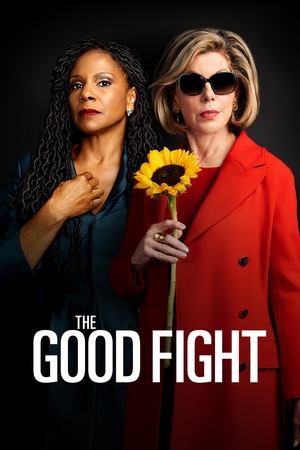
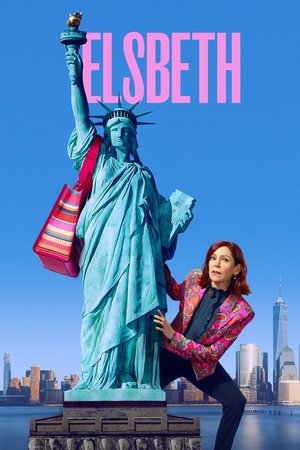
The series concluded after seven seasons, with its finale generating significant debate among fans and critics for its ambiguous and cyclical conclusion to Alicia's journey. Its legacy continued through a direct spin-off, The Good Fight, which premiered in 2017 on CBS All Access and followed Baranski's Diane Lockhart as she navigates a new legal world, as well as a further spin-off, Elsbeth, centered on Carrie Preston's beloved character.
The Good Wife collection is a critically acclaimed American legal and political drama universe that began with the flagship series in 2009 and has since expanded into a distinctive shared television landscape. Conceived by Robert and Michelle King, the collection is anchored in the premise that the most gripping conflicts unfold not in the clarity of a courtroom verdict, but in the murky intersections of professional drive, personal betrayal, and institutional pressure. Rather than functioning as a conventional procedural, the collection uses the law as a precise instrument to examine the evolving tensions of gender, race, and political tribalism in twenty-first-century America, all while maintaining a sharp wit and a willingness to embrace the absurdities of the justice system. Its narrative architecture is built on the idea that supporting characters are not mere satellites but fully realized individuals capable of carrying their own stories, a principle that has allowed the universe to grow organically across multiple series without losing its thematic coherence.\n\nThe original series, *The Good Wife*, established the collection’s signature blend of high-stakes legal strategy and intimate consequence through Alicia Florrick’s transformation from a publicly humiliated political spouse into a formidable litigator. This entry laid the groundwork for a world where law firms are battlegrounds for personal reinvention and moral compromise. The collection’s structural ambition became fully apparent with *The Good Fight*, a spin-off that shifted focus to Diane Lockhart and adopted a more satirical, furious tone to process the chaos of contemporary politics. This second series demonstrated the universe’s capacity for tonal evolution while remaining tethered to the same ethical inquiries and richly drawn character network. The most recent addition, *Elsbeth*, completes a triptych by inverting the formula, transforming a beloved eccentric attorney into a Columbo-style sleuth in a playful, inverted mystery format that still carries the collection’s core fascination with intelligence, performance, and the subversion of expectations.\n\nAcross its iterations, the collection is held together by a singular creative vision that treats recurring characters as living, evolving entities whose casual reappearances create the sensation of a fully inhabited world. This approach has redefined what a television collection can be: not a simple spin-off machine, but a continuous, multi-perspective conversation about how to live ethically in an era that often punishes the very attempt. The result is a body of work that has garnered widespread critical praise for its writing, performances, and willingness to engage with the surreal and the serious in equal measure, cementing its place as one of the most ambitious and intelligent legal drama collections in modern television.
The Good Wife Adaptations form a remarkable global television phenomenon, demonstrating how a single narrative template can be reshaped by vastly different cultural and legal landscapes. Originating from the critically acclaimed American series created by Robert and Michelle King, the core premise follows a spouse forced to rebuild a legal career after their partner’s public scandal and incarceration. What makes this collection truly significant is not mere replication, but the act of cultural translation; each version filters the story through local attitudes toward gender, power, and justice, transforming a personal journey of betrayal into a universal examination of professional reinvention. From East Asia to South Asia, Europe, and the Middle East, the franchise reveals how the tension between domestic expectations and courtroom ambition resonates across borders.
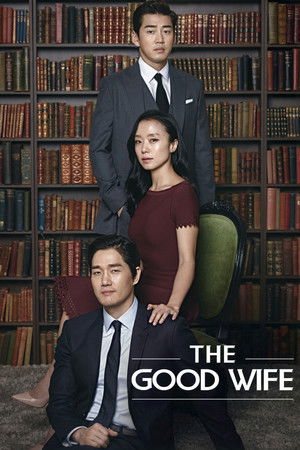
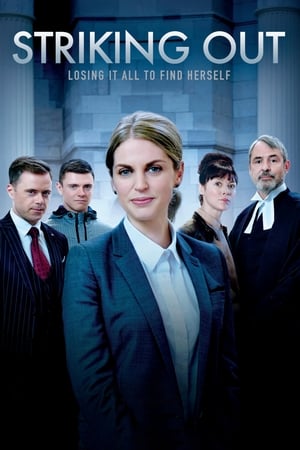
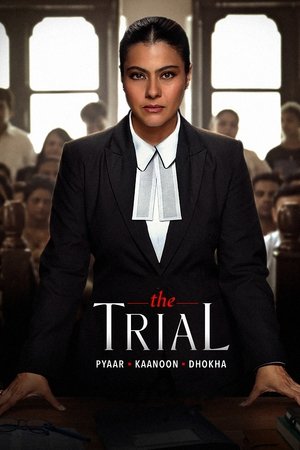
The evolution of the narrative is striking in its diversity, with entries like South Korea’s *굿 와이프* and Japan’s *The Good Wife* adapting the procedural format to reflect their own judicial systems and social hierarchies, often intensifying the melodramatic and familial stakes. India’s *द ट्रायल: प्यार, क़ानून, धोखा* infuses the story with the specific textures of the country’s legal world and moral codes, while Russia’s *Хорошая жена* and China’s *玫瑰之战* recontextualize the protagonist’s struggle within their own rapidly changing societal norms. Even entries that deviate more loosely, such as the Irish drama *Striking Out*, which focuses on a woman starting her own firm after discovering infidelity, and the Arabic adaptation *مفترق طرق*, which navigates the story through a distinctly regional lens, contribute to a rich tapestry of reinterpretation. These series collectively prove that the courtroom is a perfect stage for exploring the personal, making the franchise a masterclass in how local specificity can heighten universal themes.
Beyond their entertainment value, The Good Wife Adaptations have left a lasting cultural impact by consistently placing complex female agency at the center of prime-time television. The collection charts a shift in global storytelling, moving away from simple victimhood toward nuanced portrayals of women navigating moral ambiguity, professional rivalry, and sexual politics. By seeing how different cultures negotiate the character’s relationship with her disgraced husband and her competitive workplace, audiences gain insight into the global conversation about marriage and independence. Ultimately, this franchise endures not because the plot is easily copied, but because the emotional core—a woman reclaiming her identity in the face of public humiliation—is a powerful, malleable myth that challenges and inspires, no matter the language in which it is told.