📺 The Good Fight (2017)
Part of The Good Wife Franchise
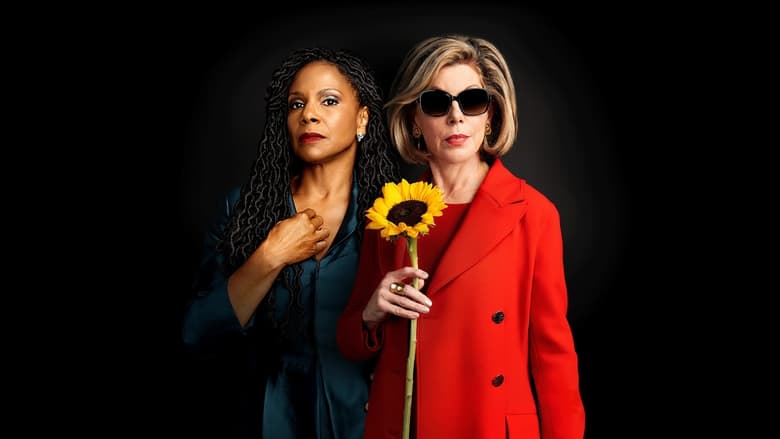
A spin-off and standalone sequel to the acclaimed legal drama The Good Wife, The Good Fight picks up the story a year after its predecessor's finale, thrusting the iconic Diane Lockhart into a world turned upside down. An enormous financial scam not only destroys the reputation of her goddaughter, Maia Rindell, but also wipes out Diane's entire life savings, forcing her out of the firm she helped build. This cataclysmic event pushes Diane and Maia to join Lucca Quinn at Reddick, Boseman & Kolstad, a prestigious African-American-owned law firm in Chicago, where the series finds its new, politically charged voice.
Created by Robert and Michelle King alongside Phil Alden Robinson, the series marked a significant milestone as the first original scripted series for the streaming platform CBS All Access (later Paramount+). Freed from the constraints of network television, The Good Fight distinguished itself with a sharper, more surreal tone, directly tackling contemporary political and social issues from Donald Trump's presidency to the #MeToo movement through its cases and character arcs. The show retained the razor-sharp legal writing of its parent series but infused it with animated explanatory segments and a willingness to break the fourth wall.
Christine Baranski leads a stellar ensemble cast that includes Cush Jumbo, Rose Leslie, and Delroy Lindo, with the series becoming known for its bold storytelling and willingness to lose major characters unexpectedly. Over its six-season run, the show navigated Diane's journey through a legal landscape she no longer recognizes, battling micro-dosing lawyers, underground resistance groups, and a justice system seemingly unmoored from reality. The final season, which premiered in September 2022, brought the story to a close amidst a fractured firm and an insurrection, cementing its legacy as a daring and essential evolution of The Good Wife universe.
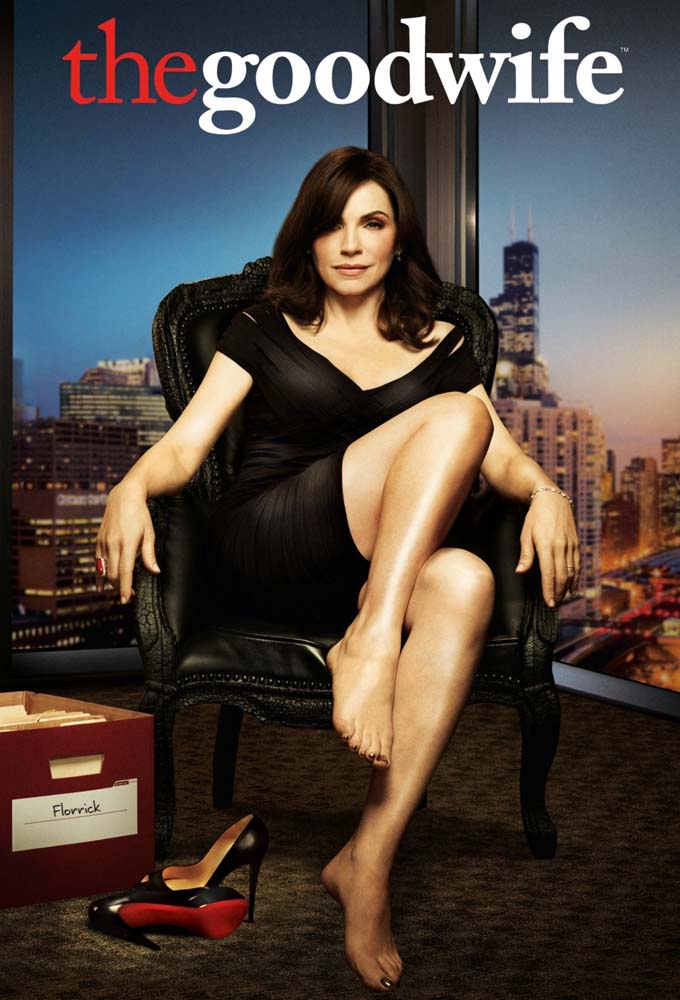
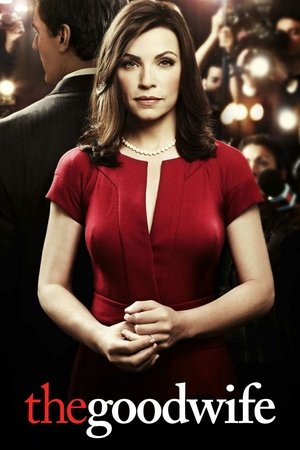
The Good Wife collection is a critically acclaimed American legal and political drama universe that began with the flagship series in 2009 and has since expanded into a distinctive shared television landscape. Conceived by Robert and Michelle King, the collection is anchored in the premise that the most gripping conflicts unfold not in the clarity of a courtroom verdict, but in the murky intersections of professional drive, personal betrayal, and institutional pressure. Rather than functioning as a conventional procedural, the collection uses the law as a precise instrument to examine the evolving tensions of gender, race, and political tribalism in twenty-first-century America, all while maintaining a sharp wit and a willingness to embrace the absurdities of the justice system. Its narrative architecture is built on the idea that supporting characters are not mere satellites but fully realized individuals capable of carrying their own stories, a principle that has allowed the universe to grow organically across multiple series without losing its thematic coherence.\n\nThe original series, *The Good Wife*, established the collection’s signature blend of high-stakes legal strategy and intimate consequence through Alicia Florrick’s transformation from a publicly humiliated political spouse into a formidable litigator. This entry laid the groundwork for a world where law firms are battlegrounds for personal reinvention and moral compromise. The collection’s structural ambition became fully apparent with *The Good Fight*, a spin-off that shifted focus to Diane Lockhart and adopted a more satirical, furious tone to process the chaos of contemporary politics. This second series demonstrated the universe’s capacity for tonal evolution while remaining tethered to the same ethical inquiries and richly drawn character network. The most recent addition, *Elsbeth*, completes a triptych by inverting the formula, transforming a beloved eccentric attorney into a Columbo-style sleuth in a playful, inverted mystery format that still carries the collection’s core fascination with intelligence, performance, and the subversion of expectations.\n\nAcross its iterations, the collection is held together by a singular creative vision that treats recurring characters as living, evolving entities whose casual reappearances create the sensation of a fully inhabited world. This approach has redefined what a television collection can be: not a simple spin-off machine, but a continuous, multi-perspective conversation about how to live ethically in an era that often punishes the very attempt. The result is a body of work that has garnered widespread critical praise for its writing, performances, and willingness to engage with the surreal and the serious in equal measure, cementing its place as one of the most ambitious and intelligent legal drama collections in modern television.