🎬 Evil Dead Rise (2023)
Part of Evil Dead Standalone
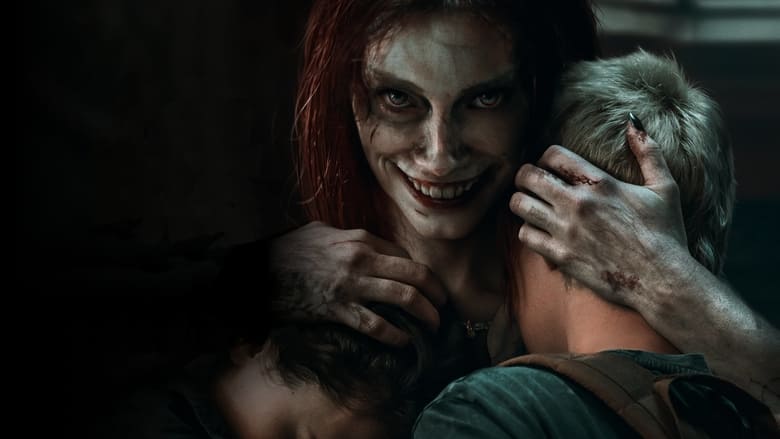
Evil Dead Rise (2023) marks the fifth theatrical entry in the Evil Dead franchise, and the first to break completely free of the cabin-in-the-woods setting that defined Sam Raimi’s original 1981 cult classic. Written and directed by Lee Cronin, the film transplants the Necronomicon-spawned horror into a cramped, decaying apartment building in Los Angeles, where two estranged sisters (Lily Sullivan and Alyssa Sutherland) and a family of three kids must survive a new wave of Deadite terror. The move from rural isolation to urban claustrophobia gives the mayhem a fresh, grimy texture, while still honoring the series’ trademark blend of gruesome practical gore and darkly comic energy.
Like all Evil Dead projects, this one traces its roots back to the scrappy independent film that Raimi and producer Rob Tapert made with a group of college friends in the late 1970s and early ’80s. That first movie, shot in a Tennessee cabin for less than $400,000, launched Bruce Campbell’s Ash Williams into horror icon status and established many of the franchise’s rules: the forbidden incantations, the possessed loved ones, and the grim necessity of dismembering the undead. Raimi and Campbell return here as executive producers, lending their blessing (and Campbell’s voice briefly via a recorded message) to Cronin’s new vision.
Evil Dead Rise is notable for being the first Evil Dead film without Campbell in a leading role — the 2013 reboot also moved on from Ash — but it keeps the spirit of bloody invention alive. The film’s most talked-about set piece involves a high-rise peephole, a tattoo needle, and a generous helping of cheese grater, proving that the franchise can still find fresh ways to make audiences squirm. The claustrophobic apartment setting ratchets up tension and makes it impossible for the characters to run into the woods for safety, forcing them to barricade doors and turn household items into weapons.
The movie was originally developed for a streaming release on HBO Max but was upgraded to a theatrical run by Warner Bros., where it earned strong reviews and solid box office returns. Horror fans appreciated its respectful nods to earlier films — such as the characteristic low-angle rushing camera and the faithful depiction of Deadites — while newcomers found a self-contained nightmare that didn’t require franchise homework. In essence, Evil Dead Rise demonstrates that a series born in the woods can thrive anywhere there’s a Necronomicon, a desperate family, and a whole lot of fake blood.

The Evil Dead standalone collection comprises the modern entries in the Evil Dead franchise that do not center on Ash Williams, the iconic character played by Bruce Campbell in Sam Raimi's original trilogy. Beginning with Fede Alvarez's 2013 reboot, these films reimagine the core premise — ordinary people besieged by demonic forces unleashed by the Necronomicon Ex-Mortis — through self-contained stories with new characters and settings. Each installment functions as an independent tale within the shared mythology, rather than a direct continuation of Ash's saga.
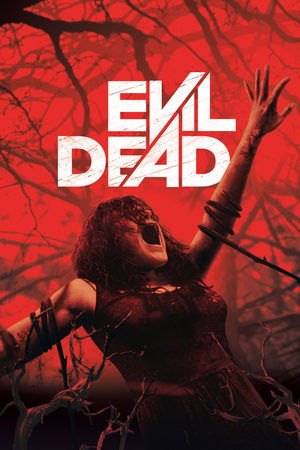
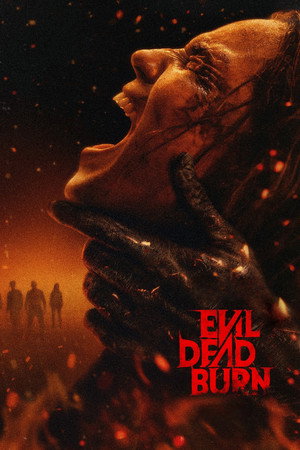
The 2013 film, directed by Fede Alvarez, offered a grittier, more horror-forward take on the material, replacing the original's blend of terror and dark comedy with unflinching body horror. Evil Dead Rise (2023), directed by Lee Cronin, transported the action from the familiar cabin-in-the-woods setting to a condemned Los Angeles apartment building, focusing on two estranged sisters and their children. Evil Dead Burn, announced for 2026, further extends the collection's pattern of handing the franchise to emerging horror directors tasked with putting their own stamp on the material.
Together, these films represent a creative strategy of anthology-style storytelling within a beloved horror property, allowing the franchise to evolve beyond its original protagonist while preserving the signature elements of Deadite possession, the Book of the Dead, and extreme visceral horror. The standalone approach has enabled the Evil Dead franchise to remain vital and commercially relevant across decades, attracting new generations of horror fans while honoring the legacy of Raimi's influential originals.