🎬 Evil Dead (2013)
Part of Evil Dead Standalone
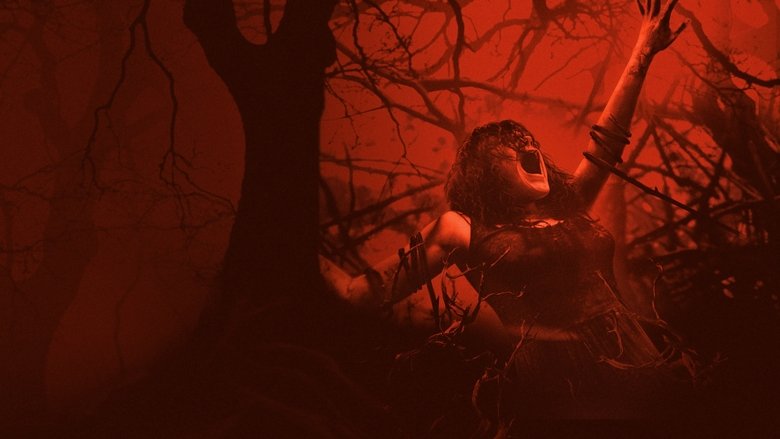
Fede Álvarez's 2013 'Evil Dead' serves as a soft reboot and a contemporaneous sequel to Sam Raimi's iconic 1981 horror classic 'The Evil Dead'. While it exists within the same universe as the original trilogy, it forgoes the slapstick humor and Ash Williams' chainsaw-wielding heroics for a far more brutal and unrelentingly grim tone. The setup is familiar—a group of young people retreat to a remote cabin in the woods—but the catalyst is given a modern, emotionally grounded twist: Mia, a young woman, is there to go cold turkey from heroin addiction with the help of her estranged brother and friends. When they discover and read from the Naturom Demonto, the Book of the Dead, the ensuing demonic possession is initially mistaken for withdrawal symptoms, delaying their realization of the true supernatural horror they face.
The film is notorious for its commitment to practical effects and extreme gore, reportedly using over 50,000 gallons of fake blood. Álvarez deliberately avoided CGI for the gore sequences, aiming for a visceral, tactile horror that would stand apart from the more polished studio horror of the time. This dedication resulted in an NC-17 rating upon its first submission to the MPAA, forcing cuts to secure an R-rating for its theatrical release. Key set pieces, such as the infamous tongue-slitting with a box cutter and a climactic chainsaw dismemberment during a torrential blood rain, pushed the boundaries of mainstream horror and cemented the film's reputation as one of the goriest wide releases in years.
Despite mixed reviews from critics who were divided on its relentless brutality versus its homage to the original, the film was a box office success, grossing $97 million against a $17 million budget. Fans of the franchise were rewarded with a post-credits cameo from Bruce Campbell as Ash Williams, uttering his signature 'Groovy,' which directly linked this darker chapter to the larger Evil Dead mythology. This cameo, along with subtle narrative connections, confirmed the film was not a replacement but a parallel story in the same cursed universe.
'Evil Dead' successfully reanimated the franchise for a new generation, proving its core concept—demonic forces unleashed by the Necronomicon in a woodland cabin—was strong enough to support different tones and protagonists. Its success directly paved the way for the television series 'Ash vs Evil Dead' and the later standalone sequel 'Evil Dead Rise', which followed a similar anthology-style approach by moving the deadite action to a new location with new characters.
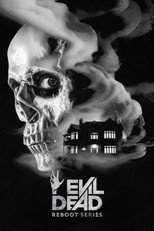
The Evil Dead standalone collection comprises the modern entries in the Evil Dead franchise that do not center on Ash Williams, the iconic character played by Bruce Campbell in Sam Raimi's original trilogy. Beginning with Fede Alvarez's 2013 reboot, these films reimagine the core premise — ordinary people besieged by demonic forces unleashed by the Necronomicon Ex-Mortis — through self-contained stories with new characters and settings. Each installment functions as an independent tale within the shared mythology, rather than a direct continuation of Ash's saga.
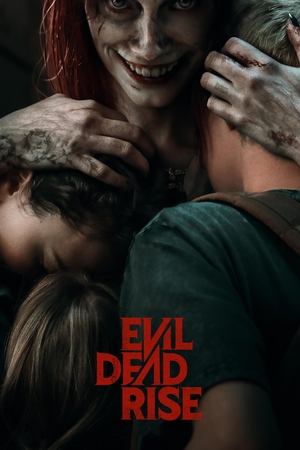
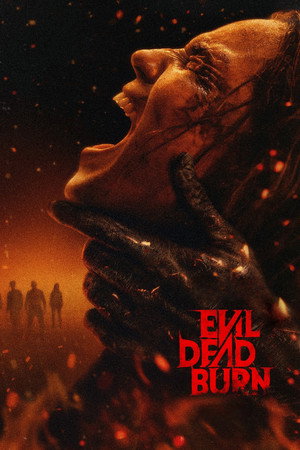
The 2013 film, directed by Fede Alvarez, offered a grittier, more horror-forward take on the material, replacing the original's blend of terror and dark comedy with unflinching body horror. Evil Dead Rise (2023), directed by Lee Cronin, transported the action from the familiar cabin-in-the-woods setting to a condemned Los Angeles apartment building, focusing on two estranged sisters and their children. Evil Dead Burn, announced for 2026, further extends the collection's pattern of handing the franchise to emerging horror directors tasked with putting their own stamp on the material.
Together, these films represent a creative strategy of anthology-style storytelling within a beloved horror property, allowing the franchise to evolve beyond its original protagonist while preserving the signature elements of Deadite possession, the Book of the Dead, and extreme visceral horror. The standalone approach has enabled the Evil Dead franchise to remain vital and commercially relevant across decades, attracting new generations of horror fans while honoring the legacy of Raimi's influential originals.