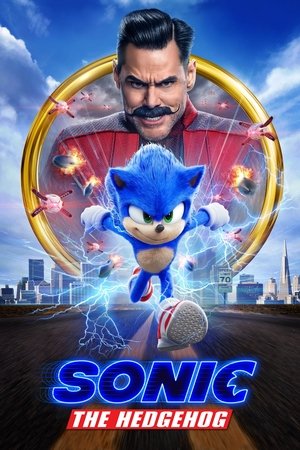
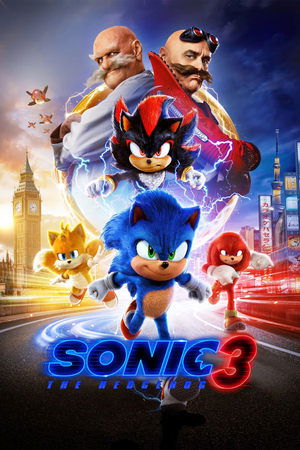
🎬 Sonic the Hedgehog 2 (2022)
Part of Sonic the Hedgehog
Paramount’s Sonic the Hedgehog 2 doesn’t just double down on the blue blur’s cinematic universe—it accelerates headlong into the deep lore of the Sega Genesis era. While the first film was a cautious origin story, blending a road-trip buddy comedy with a familiar alien-on-Earth template, the sequel confidently expands the roster and the mythology. The most significant addition is Miles “Tails” Prower, voiced by Colleen O’Shaughnessey, who reprises her long-running role from the games and cartoons. His introduction is handled with a charming fidelity to the source material, arriving via a biplane to rescue Sonic in a moment that feels ripped straight from a 16-bit cutscene. The film also introduces Knuckles the Echidna, voiced with a perfectly humorless gravitas by Idris Elba, transforming the character from a gullible antagonist in Sonic the Hedgehog 3 into a warrior tragically manipulated by Dr. Robotnik’s schemes.
The film’s narrative engine is the hunt for the Master Emerald, a plot device that cleverly merges the Chaos Emerald lore from the original 1991 game with the floating Angel Island and echidna backstory from Sonic the Hedgehog 3 and Sonic & Knuckles. This fusion allows the movie to bypass a straight adaptation of the second game’s Death Egg saga in favor of a globe-trotting treasure hunt. The shift from the purely platforming-driven conflict of the games to a quest narrative is a key adaptation choice, giving the human characters like Tom and Maddie a more organic subplot in Hawaii. However, the heart of the film remains the evolving dynamic between Sonic, Tails, and Knuckles, which directly mirrors the camaraderie and rivalry that defined the Genesis sequels, culminating in a super-powered finale that is a clear, crowd-pleasing nod to Sonic’s Chaos Emerald-fueled transformations.
Critically, the film was received as a marked improvement over its predecessor, particularly in its embrace of game-accurate spectacle. Jim Carrey’s return as Dr. Robotnik allows him to ascend to full-blown Eggman mania, complete with a mustache and a mushroom-kingdom-sized mech that echoes the boss battles of the 16-bit era. The set pieces, from a snowboarding sequence down a Siberian mountainside to the labyrinthine temple traps protecting the Master Emerald, are designed to evoke the loop-de-loops and hidden chambers of the source material. While some critics noted the runtime was bloated by the human side plots, the consensus celebrated the film for understanding what fans wanted: a high-speed, technicolor adventure that treats its video game origins not as a limitation, but as a rich text to be mined for cinematic wonder.
Sonic the Hedgehog 2 shattered box office records for a video game adaptation upon its release, proving that the franchise had successfully navigated the notoriously tricky path from console to cinema. It cemented the series’ formula of blending family comedy with genuine reverence for Sega’s mascot, setting the stage for an even more ambitious sequel. By directly adapting the emotional beats and character introductions from the 1990s quadrilogy, the film functions as both a nostalgic time capsule for millennials and a vibrant entry point for a new generation, ensuring that Sonic’s legacy continues to run circles around the competition.
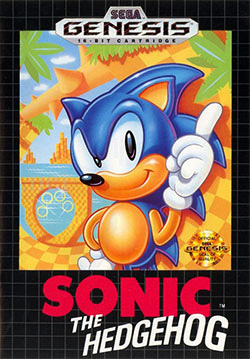
Sonic the Hedgehog is a landmark platform video game developed by Sonic Team and published by Sega for the Sega Genesis console. Released in 1991, the game was created in response to Sega's need for a company mascot to rival Nintendo's Mario. After an internal design contest, artist Naoto Ohshima's design of a blue hedgehog was chosen, and the character's attitude and speed became the core of the game's identity. The game is known for its fast-paced side-scrolling action, where players control Sonic as he runs, jumps, and spins through colorful zones to stop the evil Dr. Robotnik from collecting the Chaos Emeralds and turning animals into robots.
The title was a critical and commercial smash, effectively establishing the Sega Genesis as a serious competitor in the 16-bit console market. Its technical showcase was a novel engine that allowed Sonic's sprite to move smoothly along curved, sloping terrain, giving a sense of momentum and speed that was unprecedented at the time. The game's soundtrack, composed by Masato Nakamura of the J-pop band Dreams Come True, also received widespread acclaim for its catchy, energetic melodies that perfectly complemented the on-screen action.
Sonic the Hedgehog launched one of the most successful and enduring video game franchises in history. The original game's blend of accessible gameplay, 'cool' character design, and technical prowess defined a generation of platformers and cemented Sonic as a pop culture icon. Its success spawned numerous sequels, spin-offs, animated series, comic books, and a massive merchandising empire, making the blue blur a globally recognized figure for decades.
The Sonic the Hedgehog film series is a live-action/CGI hybrid collection based on Sega's iconic video game franchise of the same name. Launched in 2020, the series translates the high-speed adventures of the anthropomorphic blue hedgehog into a cinematic format, blending practical sets with computer-generated characters. The films follow Sonic as he navigates life on Earth, forging bonds with human allies while battling the villainous Dr. Robotnik. The series is notable for its responsive approach to fan feedback, most famously redesigning Sonic's appearance after initial trailer backlash, a move that garnered significant goodwill and contributed to the first film's commercial success. This willingness to adapt has become a hallmark of the series, demonstrating a collaborative relationship between creators and the passionate fanbase built over decades of gaming history. The collection has grown into a consistent box office performer, with each installment expanding its scope and character roster, drawing from the games' rich mythology while crafting original narratives suitable for family audiences.