📺 Sonic the Hedgehog (1993)
Based on video game
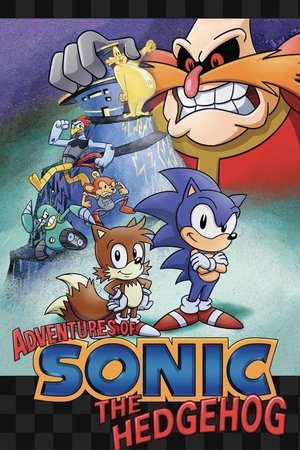
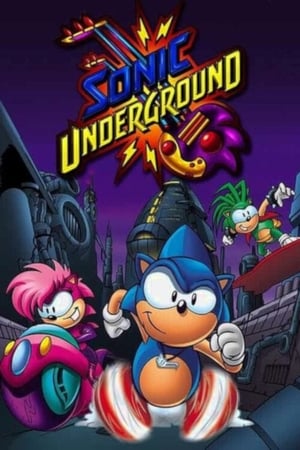
Sonic the Hedgehog, often referred to by fans as 'Sonic SatAM' due to its Saturday morning timeslot, is an animated television series that premiered on ABC in 1993. It was the second Sonic cartoon produced by DIC Entertainment, following the lighter, slapstick-driven Adventures of Sonic the Hedgehog, but it took the franchise in a radically different and much darker direction. While both shows were based on Sega's blockbuster 1991 video game, this series crafted a unique dystopian narrative that set it apart from any other adaptation of the source material.
The series is set on the planet Mobius, which has already been conquered by the tyrannical Dr. Robotnik. Unlike the games, where Sonic is often a solo hero thwarting Robotnik's plans, this version depicts him as a member of a ragtag group of Freedom Fighters operating from the hidden woodland village of Knothole. Led by Princess Sally Acorn, the team includes original characters like the walrus Rotor, the half-robotic Bunnie Rabbot, and the cowardly Antoine D'Coolette. The show's serialized storytelling, high stakes, and surprisingly mature themes of loss, environmental decay, and guerrilla warfare gave it an emotional weight that deeply resonated with viewers.
Despite its popularity and a cliffhanger ending that saw the mysterious return of Sally's mentor, the series was cancelled after two seasons and 26 episodes. Its legacy, however, has only grown over the decades. The show's original characters, particularly Sally Acorn and the concept of the Freedom Fighters, became integral to the long-running Archie Comics Sonic the Hedgehog series, which kept their stories alive for over two decades. A passionate fan following has campaigned for a revival, and the series remains a cult classic, celebrated for its ambitious storytelling and its bold reimagining of a video game icon.
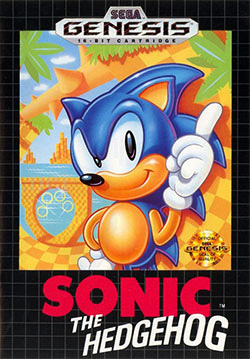
Sonic the Hedgehog is a landmark platform video game developed by Sonic Team and published by Sega for the Sega Genesis console. Released in 1991, the game was created in response to Sega's need for a company mascot to rival Nintendo's Mario. After an internal design contest, artist Naoto Ohshima's design of a blue hedgehog was chosen, and the character's attitude and speed became the core of the game's identity. The game is known for its fast-paced side-scrolling action, where players control Sonic as he runs, jumps, and spins through colorful zones to stop the evil Dr. Robotnik from collecting the Chaos Emeralds and turning animals into robots.
The title was a critical and commercial smash, effectively establishing the Sega Genesis as a serious competitor in the 16-bit console market. Its technical showcase was a novel engine that allowed Sonic's sprite to move smoothly along curved, sloping terrain, giving a sense of momentum and speed that was unprecedented at the time. The game's soundtrack, composed by Masato Nakamura of the J-pop band Dreams Come True, also received widespread acclaim for its catchy, energetic melodies that perfectly complemented the on-screen action.
Sonic the Hedgehog launched one of the most successful and enduring video game franchises in history. The original game's blend of accessible gameplay, 'cool' character design, and technical prowess defined a generation of platformers and cemented Sonic as a pop culture icon. Its success spawned numerous sequels, spin-offs, animated series, comic books, and a massive merchandising empire, making the blue blur a globally recognized figure for decades.