🎬 Pet Sematary (1989)
Part of Pet Sematary
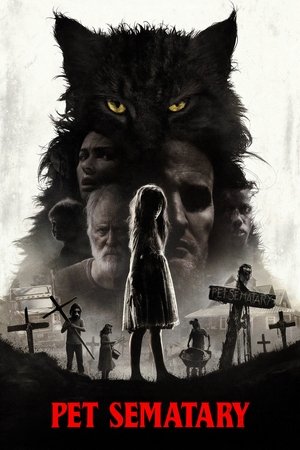
Mary Lambert’s 1989 adaptation of Pet Sematary holds a unique place in Stephen King lore, largely because the author himself penned the screenplay. This direct involvement resulted in a film that is remarkably faithful to the novel’s bleak, unflinching narrative spine, refusing to sand down the story’s most disturbing edges. Lambert, a music video director making her feature debut, translated King’s prose into a pervasive atmosphere of rural dread, leaning heavily on the eerie stillness of the Maine woods and the folksy, mournful presence of Fred Gwynne’s Jud Crandall. The film doesn’t just replicate the book’s plot beats—the resurrected cat, the tragic accident, the fateful decision to bury a human in the sour ground of the Micmac burial ground—it captures the novel’s core theme of grief as a destructive, almost addictive force that overrides all reason.
The most significant deviation from the source material lies in the character of Victor Pascow, the ghostly jogger who warns Louis of the cemetery’s danger. In the novel, Pascow’s appearances are brief and cryptic, but the film expands his role into that of a recurring, well-meaning specter, turning him into a more conventional horror-movie guardian angel. More controversially, the adaptation alters the death of Gage Creed. While the book features a lengthy, psychologically grueling internal monologue from Louis as he digs up his son’s body, the film streamlines this into a more visceral, action-driven sequence. The most talked-about change, however, is the transformation of the resurrected toddler. On the page, Gage returns as a demonic entity with an adult’s vocabulary and malice, a chilling concept that the film wisely sidesteps by having Miko Hughes deliver a more physically menacing, silent performance punctuated by a few borrowed, guttural lines, a choice that divided fans but created an undeniably iconic horror villain.
Upon its release in April 1989, Pet Sematary was a commercial juggernaut, grossing over $57 million against a modest $11.5 million budget, proving King’s box-office draw was as potent as ever. Critical reception was mixed, with many reviewers praising the grim tone and Gwynne’s performance while criticizing the occasionally stilted acting from the leads and a climax that veered into camp. Despite this, the film’s reputation has grown over the decades, cemented by its unshakeable sense of doom and a handful of sequences—Zelda’s twisted, bedridden form remains a generational nightmare for viewers—that tap into a primal, almost taboo horror. It stands as a time capsule of late-80s horror, a period when King adaptations were willing to end not with a jump scare, but with a chilling, cyclical embrace of despair.

Pet Sematary is a supernatural horror novel written by Stephen King, first published in 1983 by Doubleday. The story centers on Dr. Louis Creed and his family, who relocate from Chicago to a rural home in Ludlow, Maine. There, they discover an ancient burial ground hidden in the woods beyond a pet cemetery—spelled 'sematary' by local children—capable of resurrecting the dead, but at a terrible, corrupting cost. King's narrative delves into profound themes of grief, loss, the unnatural prolongation of life, and the destructive power of parental love pushed to extremes.
Serialized initially in magazines before its hardcover release, the novel draws from King's own experiences living in Maine and the universal fear of burying a child. It topped bestseller lists and solidified King's reputation as a master of psychological horror. Often ranked among his darkest works, Pet Sematary explores taboo subjects with unflinching intensity, influencing the horror genre's portrayal of resurrection and the supernatural consequences of defying death.
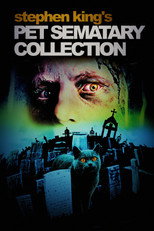
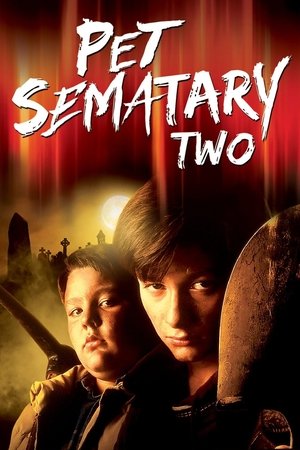
The Pet Sematary collection originates from Stephen King’s 1983 horror novel, a deeply unsettling exploration of grief, mortality, and the terrifying consequences of defying the natural order. The story centers on a rural family who discovers a cursed burial ground in the Maine woods, once sacred to the Mi’kmaq people, where the dead return changed—violent, hollow, and stripped of their former selves. This premise establishes a bleak meditation on the lengths to which love and desperation can drive a person, transforming a simple act of burial into a doorway to irreversible horror.\n\nThe first film adaptation arrived in 1989, directed by Mary Lambert with a screenplay by King himself, and quickly became a notable entry in the wave of King adaptations that defined late‑1980s horror cinema. Its success led to a 1992 sequel, Pet Sematary II, which shifted focus to a new set of characters confronting the same ancient evil, expanding the mythology while retaining the core themes of loss and unnatural resurrection. Together, these two films form a compact but impactful series that trades sprawling continuity for concentrated, atmospheric dread.\n\nWhat distinguishes this collection is its unflinching psychological weight. Rather than relying solely on supernatural shocks, the narrative roots its terror in relatable human pain—the death of a child, the dissolution of a family, the refusal to accept finality. The burial ground functions as both a literal plot device and a metaphor for unresolved trauma, making the horror feel intimate and inescapable. This emotional grounding has earned the series a lasting reputation among horror enthusiasts, who value its somber tone and moral complexity over more conventional slasher fare.\n\nThough limited to two films, the Pet Sematary collection has maintained a steady cultural presence, reinforced by the enduring popularity of King’s novel and periodic revisitations in other media. Its legacy lies in its cautionary message: some doors, once opened, can never be closed. By keeping its focus narrow and its themes universal, the series remains a potent reminder that the most frightening stories are often those that hit closest to home.