🎬 Pet Sematary: Bloodlines (2023)
Part of Pet Sematary (Reboot)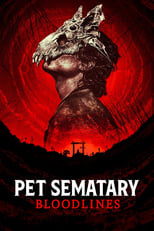
Pet Sematary: Bloodlines takes a bold step away from the Creed family tragedy to explore the deeper, darker history of Ludlow, Maine. Rather than adapting a specific section of Stephen King’s novel, the film functions as an original prequel to the 2019 adaptation, zeroing in on a young Jud Crandall. The script weaves together brief, ominous hints from the book—Jud’s lifelong knowledge of the burial ground and his cryptic warnings—and expands them into a full-fledged origin story set in 1969. This approach transforms Jud from a sage, cautionary neighbor into a reluctant protagonist, forced to confront the evil he has known about since childhood when a returned Vietnam veteran brings the ancient curse back to his doorstep.
The film makes a significant departure from the source material by centering the mythology on the Indigenous origins of the burial ground, a thread only vaguely referenced in King’s novel. By introducing a Native American perspective through characters like Manny, the movie attempts to ground the supernatural resurrection in a specific cultural and historical context, explaining why the soil of Ludlow became “sour.” This choice expands the lore considerably, turning what was once a mysterious, almost elemental force of nature into a curse with a more defined, tragic backstory tied to the land’s original inhabitants and early settlers. It also shifts the thematic focus from the intimate, domestic horror of parental grief to a broader, community-wide reckoning with a generational secret.
Critically, Pet Sematary: Bloodlines was met with a chilly reception, with many reviewers finding it a narratively thin and unnecessary addition to the franchise. While the film boasts a capable cast including Jackson White, Pam Grier, and David Duchovny, critics argued that it struggled to capture the raw, psychological dread of King’s work, leaning instead on more conventional horror tropes and creature-feature elements. The decision to release the film directly on Paramount+ in October 2023, following its Fantastic Fest premiere, positioned it as a seasonal streaming offering rather than a major theatrical event, a fate that seemed to match its muted cultural impact.
Despite its flaws, the film represents a fascinating “what if” in the world of King adaptations. It’s a rare example of a prequel that isn’t based on any single existing text but instead reverse-engineers a story from the ominous gaps left in the original novel. For die-hard fans, seeing the origin of the undead Timmy Baterman—a chilling anecdote recounted by Jud in the book—fully visualized is a notable, if grim, treat. The movie ultimately serves as a testament to the enduring pull of King’s mythology, even when the execution struggles to match the haunting simplicity of the source material’s central, devastating question: sometimes, dead is better.

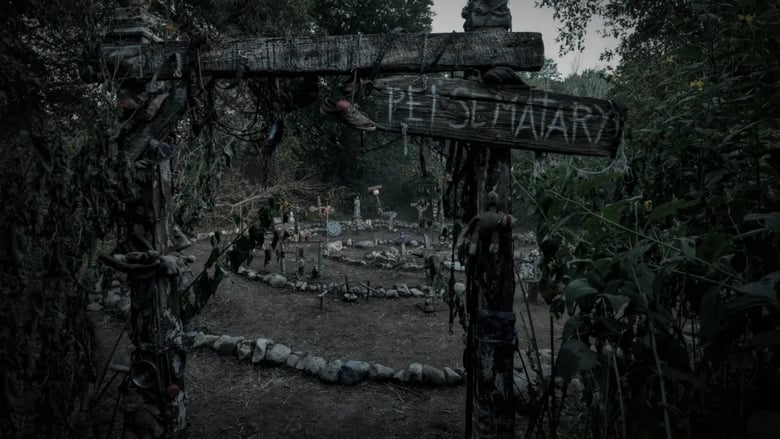
Pet Sematary is a supernatural horror novel written by Stephen King, first published in 1983 by Doubleday. The story centers on Dr. Louis Creed and his family, who relocate from Chicago to a rural home in Ludlow, Maine. There, they discover an ancient burial ground hidden in the woods beyond a pet cemetery—spelled 'sematary' by local children—capable of resurrecting the dead, but at a terrible, corrupting cost. King's narrative delves into profound themes of grief, loss, the unnatural prolongation of life, and the destructive power of parental love pushed to extremes.
Serialized initially in magazines before its hardcover release, the novel draws from King's own experiences living in Maine and the universal fear of burying a child. It topped bestseller lists and solidified King's reputation as a master of psychological horror. Often ranked among his darkest works, Pet Sematary explores taboo subjects with unflinching intensity, influencing the horror genre's portrayal of resurrection and the supernatural consequences of defying death.
The Pet Sematary film series is a modern horror collection that revisits Stephen King's deeply unsettling 1983 novel, offering a grim and psychologically nuanced exploration of death, grief, and the monstrous consequences of defying mortality. Moving beyond the cult following of the 1989 adaptation, this series reimagines the source material for a contemporary audience, beginning with a 2019 film that reconfigures the original story with a chilling twist—altering the fate of a central child character to amplify the horror of a family collapsing under the weight of unnatural resurrection. The narrative trades heavily in the bleak, inescapable logic of King's warning: that the soil of a sour place turns love into an unstoppable, predatory force.\n\nWhile the first entry focuses on the intimate destruction of the Creed family, the series expands its mythology with the prequel *Pet Sematary: Bloodlines* (2023), which shifts the lens to the origins of the evil itself. Set decades earlier, it traces the malevolent influence of the Wendigo-haunted burial ground back to the founding families of Ludlow, revealing a generational saga of silence and shared trauma. This expansion transforms the collection from a straightforward cautionary tale into a broader examination of how a curse can shape an entire community's identity over time.\n\nCulturally, the series reframes King's meditation on mortality by emphasizing visceral themes of parental helplessness and intergenerational trauma. It eschews campier elements of earlier adaptations in favor of a somber, atmospheric dread that lingers long after the credits roll. Through its two interconnected chapters, the collection builds a cohesive world where the boundary between the living and the dead is not merely permeable but actively predatory, cementing the *Pet Sematary* story as a profound tragedy about the human inability to let go.