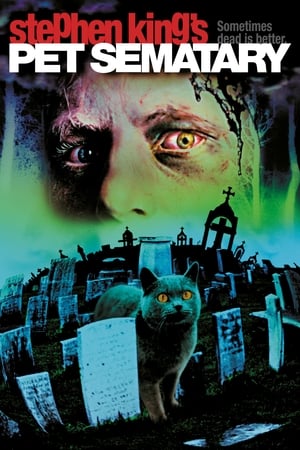
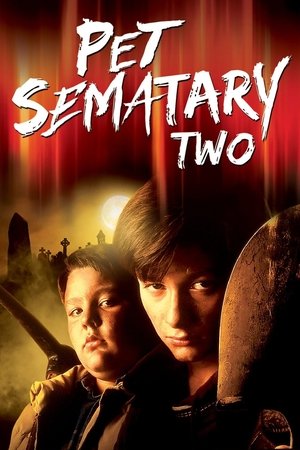
Pet Sematary
Collection 🎬 Collection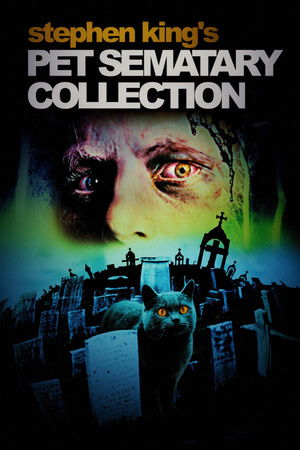
The Pet Sematary collection originates from Stephen King’s 1983 horror novel, a deeply unsettling exploration of grief, mortality, and the terrifying consequences of defying the natural order. The story centers on a rural family who discovers a cursed burial ground in the Maine woods, once sacred to the Mi’kmaq people, where the dead return changed—violent, hollow, and stripped of their former selves. This premise establishes a bleak meditation on the lengths to which love and desperation can drive a person, transforming a simple act of burial into a doorway to irreversible horror.\n\nThe first film adaptation arrived in 1989, directed by Mary Lambert with a screenplay by King himself, and quickly became a notable entry in the wave of King adaptations that defined late‑1980s horror cinema. Its success led to a 1992 sequel, Pet Sematary II, which shifted focus to a new set of characters confronting the same ancient evil, expanding the mythology while retaining the core themes of loss and unnatural resurrection. Together, these two films form a compact but impactful series that trades sprawling continuity for concentrated, atmospheric dread.\n\nWhat distinguishes this collection is its unflinching psychological weight. Rather than relying solely on supernatural shocks, the narrative roots its terror in relatable human pain—the death of a child, the dissolution of a family, the refusal to accept finality. The burial ground functions as both a literal plot device and a metaphor for unresolved trauma, making the horror feel intimate and inescapable. This emotional grounding has earned the series a lasting reputation among horror enthusiasts, who value its somber tone and moral complexity over more conventional slasher fare.\n\nThough limited to two films, the Pet Sematary collection has maintained a steady cultural presence, reinforced by the enduring popularity of King’s novel and periodic revisitations in other media. Its legacy lies in its cautionary message: some doors, once opened, can never be closed. By keeping its focus narrow and its themes universal, the series remains a potent reminder that the most frightening stories are often those that hit closest to home.