Gossip Girl Franchise
Collection 🎬 Collection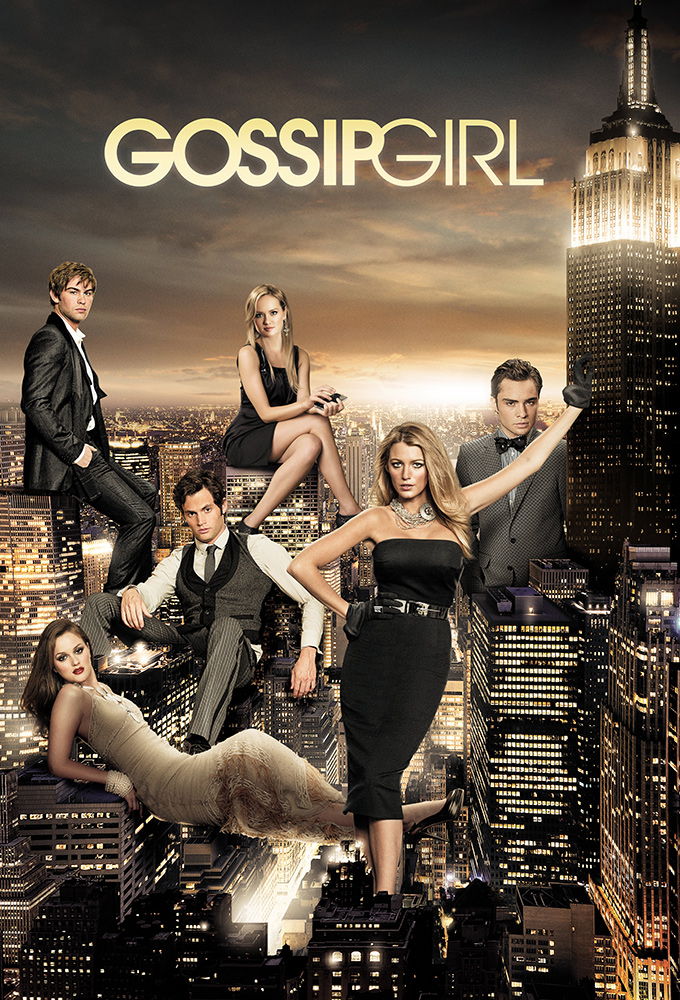
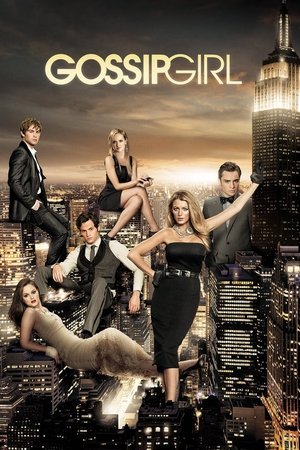
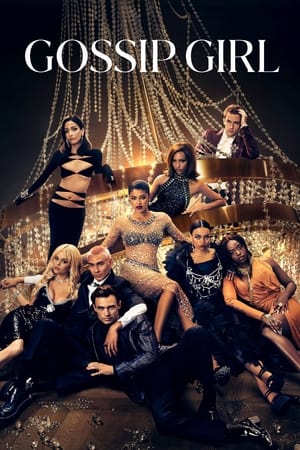
The Gossip Girl series is a teen drama collection based on Cecily von Ziegesar's best-selling book series, translating the scandalous lives of Manhattan's private-school elite into a defining cultural phenomenon. Centered on the anonymous, all-seeing narrator 'Gossip Girl,' the stories use the titular blog as a narrative weapon, blurring the line between public spectacle and private ruin. The original 2007 series became a time capsule of late-2000s fashion, technology, and social hierarchy, turning the backstabbing and romance of the Upper East Side into a global obsession while simultaneously critiquing the very privilege it glamorized.\n\nWhere the original run thrived on the exclusivity of pre-social-media secrecy—where a single blast could destroy a reputation—the series' evolution reflects a radically shifted digital landscape. The 2021 revival reconfigures the premise for a generation raised on Instagram and TikTok, replacing anonymous tipsters with a power struggle between influencers and institutional gatekeepers. By introducing a more diverse cast and tackling the accountability of the social media panopticon head-on, the sequel series examines how the concept of scandal has mutated when everyone is curating their own surveillance state. It maintains the signature luxury and melodrama but shifts the moral battleground from who is watching to who is controlling the algorithm.\n\nUltimately, the Gossip Girl series endures as a stylized morality play about the cost of visibility. Across its iterations, it explores the addictive toxicity of voyeurism and the hollow pursuit of status, wrapped in the trappings of high fashion and impossible wealth. The series' lasting impact lies in its ability to hold a mirror up to its audience's own relationship with gossip, fame, and identity, proving that while the technology of rumor may change, the human appetite for destruction and reinvention remains timeless.