📺 Gossip Girl (2021)
Part of Gossip Girl Franchise
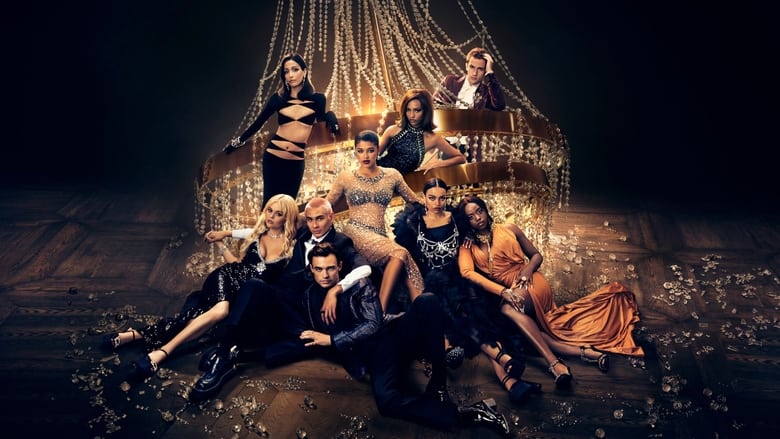
The 2021 iteration of "Gossip Girl" arrived not as a straightforward adaptation of Cecily von Ziegesar’s novels, but as a self-aware continuation set in the same universe as the iconic 2007 CW series. Developed by Joshua Safran, an executive producer on the original show, the HBO Max revival cleverly positions itself as a generational update. It acknowledges the legacy of Serena van der Woodsen and Blair Waldorf while shifting its lens to a new cohort of Constance Billard students navigating a world utterly transformed by social media. The most fundamental change is the identity of Gossip Girl herself: no longer an anonymous blogger, the omniscient narrator is revealed early on to be the teachers of Constance Billard, who resurrect the infamous handle as a desperate, and ultimately disastrous, attempt to hold their god-like students accountable.
This radical departure from the source material’s central mystery redefines the show’s power dynamics. The teens, led by influencer Julien Calloway (Jordan Alexander), her half-sister Zoya Lott (Whitney Peak), and the scheming Monet de Haan (Savannah Lee Smith), are not just the subjects of Gossip Girl’s posts; they quickly become the puppet masters, weaponizing the platform against its creators. The series deliberately diversifies its cast and storylines, placing queer characters and relationships at the forefront rather than in subtext, and tackling issues of class and cultural capital with a more explicit lens than its predecessor. The opulent, aspirational aesthetic remains, but it is filtered through the curated perfection of Instagram and the performative activism of Gen Z, creating a glossy, often cynical, portrait of influence and morality.
Kristen Bell’s return as the voice of Gossip Girl provides a crucial, eerie continuity, her disembodied narration bridging the gap between the flip-phone era and the age of the iPhone. The show leans heavily into its HBO Max home, embracing a more adult tone with nudity, explicit language, and sexual situations that the CW’s broadcast standards never allowed. This creative freedom extends to the storytelling, which is more serialized and less reliant on the case-of-the-week structure of the early original series. The fashion, overseen by original costume designer Eric Daman, remains a central character in itself, trading headbands for streetwear collaborations and haute couture pieces that reflect each character’s carefully managed personal brand.
Upon its July 2021 premiere, the revival broke records for the most-watched HBO Max original series over its launch weekend, proving the enduring power of the franchise. However, critical reception was decidedly mixed; many praised its visual style and inclusive casting but found the characters less compelling and the teacher-as-Gossip-Girl twist too implausible to sustain dramatic tension. The first season was split into two parts, and while a second season was ordered, the show struggled to recapture the cultural stranglehold of its predecessor. Ultimately, this "Gossip Girl" serves as a fascinating, if divisive, experiment in legacy sequels—a show that attempts to critique the very culture of surveillance and privilege it so luxuriously depicts.
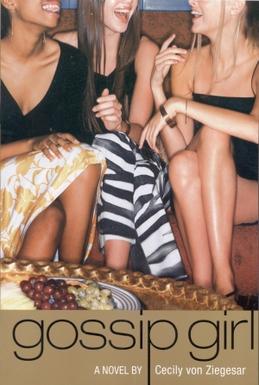
Gossip Girl is a young adult novel series written by American author Cecily von Ziegesar. The first book was published in April 2002 by Little, Brown and Company. The series centers on the scandalous lives of privileged teenagers attending elite private schools on Manhattan's Upper East Side, with the story unfolding through the eyes of an anonymous blogger known as 'Gossip Girl' who chronicles their every move.
The novels primarily follow best friends and sometimes rivals Blair Waldorf and Serena van der Woodsen, along with a rotating cast of wealthy, beautiful, and scheming classmates. Von Ziegesar drew inspiration from her own experiences attending the Nightingale-Bamford School, an all-girls private school in New York City, and the stories she heard from friends about the city's social elite.
The original series spanned thirteen novels, concluding in 2009, and spawned a spin-off book series titled Gossip Girl: The Carlyles, which began publication in 2008. The books became a cultural phenomenon among young adult readers, known for their frank depictions of teenage sexuality, substance use, and conspicuous consumption, and they helped define a new wave of aspirational, scandal-driven teen fiction in the early 2000s.
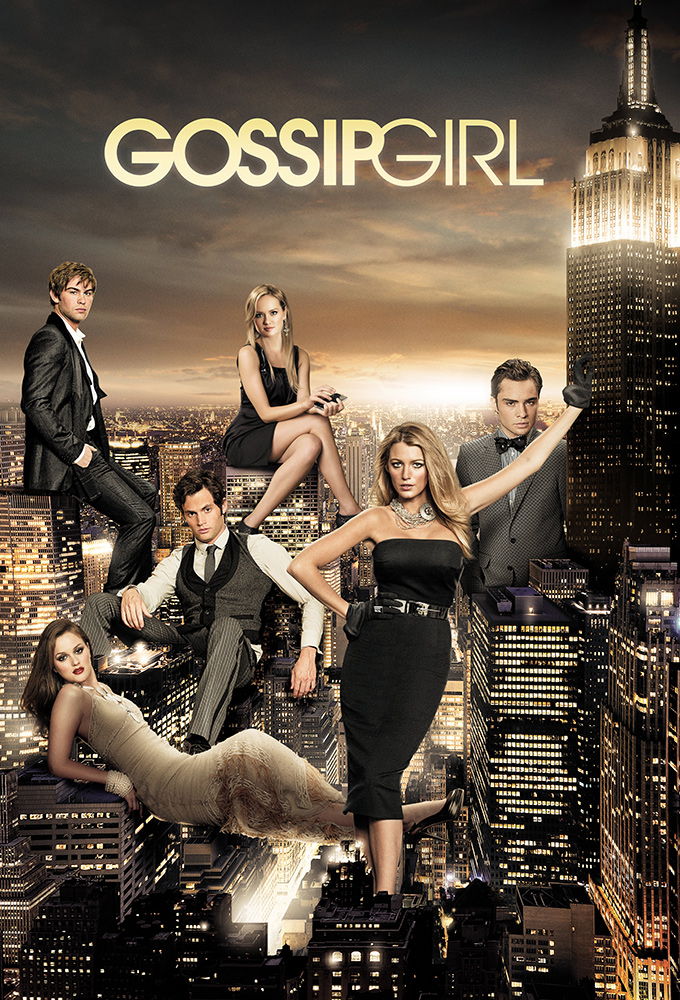
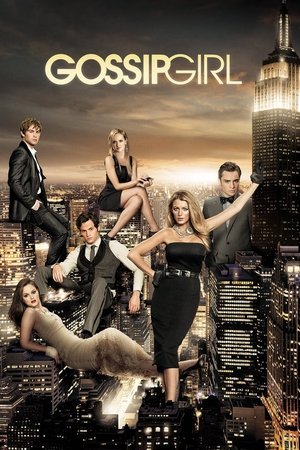
The Gossip Girl series is a teen drama collection based on Cecily von Ziegesar's best-selling book series, translating the scandalous lives of Manhattan's private-school elite into a defining cultural phenomenon. Centered on the anonymous, all-seeing narrator 'Gossip Girl,' the stories use the titular blog as a narrative weapon, blurring the line between public spectacle and private ruin. The original 2007 series became a time capsule of late-2000s fashion, technology, and social hierarchy, turning the backstabbing and romance of the Upper East Side into a global obsession while simultaneously critiquing the very privilege it glamorized.\n\nWhere the original run thrived on the exclusivity of pre-social-media secrecy—where a single blast could destroy a reputation—the series' evolution reflects a radically shifted digital landscape. The 2021 revival reconfigures the premise for a generation raised on Instagram and TikTok, replacing anonymous tipsters with a power struggle between influencers and institutional gatekeepers. By introducing a more diverse cast and tackling the accountability of the social media panopticon head-on, the sequel series examines how the concept of scandal has mutated when everyone is curating their own surveillance state. It maintains the signature luxury and melodrama but shifts the moral battleground from who is watching to who is controlling the algorithm.\n\nUltimately, the Gossip Girl series endures as a stylized morality play about the cost of visibility. Across its iterations, it explores the addictive toxicity of voyeurism and the hollow pursuit of status, wrapped in the trappings of high fashion and impossible wealth. The series' lasting impact lies in its ability to hold a mirror up to its audience's own relationship with gossip, fame, and identity, proving that while the technology of rumor may change, the human appetite for destruction and reinvention remains timeless.