🎬 Annabelle Comes Home (2019)
Part of Annabelle
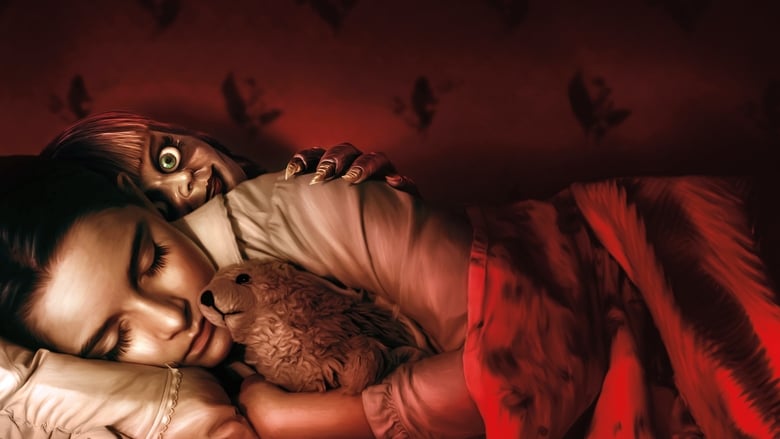
Annabelle Comes Home marks the directorial debut of Gary Dauberman, the screenwriter behind the first two Annabelle films, and serves as the third chapter in the possessed doll's terrifying saga within The Conjuring Universe. The story cleverly confines the supernatural mayhem almost entirely to the Warrens' locked artifact room, where the doll is safely stored—until the curious babysitter and her friend unleash a night of chaos. By bringing back Vera Farmiga and Patrick Wilson as Ed and Lorraine Warren in a more substantial prologue and epilogue, the film bridges the standalone spin-offs more tightly with the main Conjuring series.
Set in the early 1970s, the plot follows the Warrens' young daughter Judy and her teenage babysitter Mary Ellen, who are joined by Mary Ellen's unwelcome friend Daniela. Daniela's grief over her father's death drives her to sneak into the forbidden artifact room, where she unwittingly awakens Annabelle and a host of other cursed objects. The film shifts from the slow-burn dread of its predecessors into a carnival of horrors, unleashing a ferryman, a haunted wedding dress, and a vicious hellhound in rapid succession, making it feel almost like a haunted house attraction.
Critics gave the film mixed reviews, praising its atmospheric tension, the performances of the young cast—particularly Mckenna Grace as the stoic Judy—and the efficient, funhouse-style scares, while some felt it lacked the deeper narrative heft of Annabelle: Creation. Audiences, however, propelled it to a strong box office performance, with a worldwide gross of over $231 million against a modest budget, proving the enduring draw of the franchise. The film is notable for its lighter touch of teen adventure amidst the horror, focusing on themes of grief, courage, and friendship.
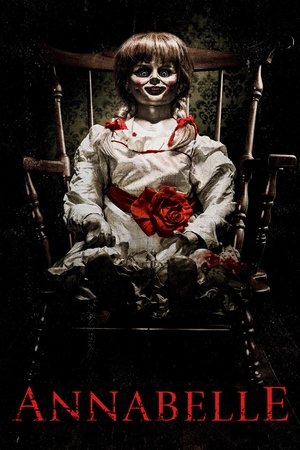
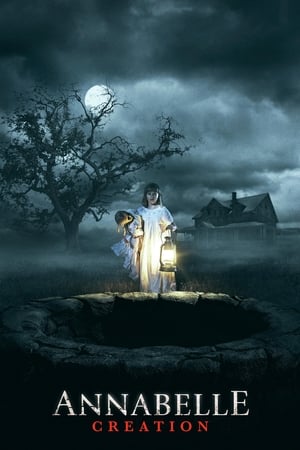
The Annabelle film series is a supernatural horror franchise that originated as a spin-off from a larger, interconnected cinematic universe. Inspired by the documented cases of real-life paranormal investigators, the saga centers on a seemingly innocent porcelain doll that becomes a vessel for malevolent supernatural forces. The narrative explores how ordinary objects can be corrupted by dark entities, often triggered by tragedy, grief, or occult interference. By focusing on the lifecycle of a cursed artifact, the franchise delves into themes of protection, the thin veil between the natural and supernatural worlds, and the consequences of tampering with forces beyond human understanding.
Culturally, the series has become a defining example of modern horror storytelling, demonstrating the commercial and creative potential of expanding a successful premise through prequels and sequels. It has captivated global audiences with its atmospheric tension, practical effects, and commitment to grounded, character-driven scares rather than relying solely on jump scares. The franchise’s success helped solidify a shared cinematic universe built around paranormal investigation, proving that horror could sustain long-form storytelling while maintaining high production values and consistent thematic depth.
Over time, the series has evolved into a cultural touchstone for horror enthusiasts, frequently referenced in discussions about modern haunted object narratives. Its legacy lies in its ability to blend folkloric horror elements with contemporary cinematic techniques, creating a distinct brand of terror that resonates across generations. The franchise continues to influence how studios approach horror spin-offs, emphasizing world-building and interconnected lore while keeping the focus tightly on its central, iconic antagonist.
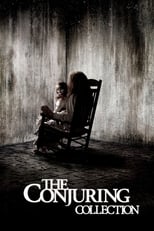
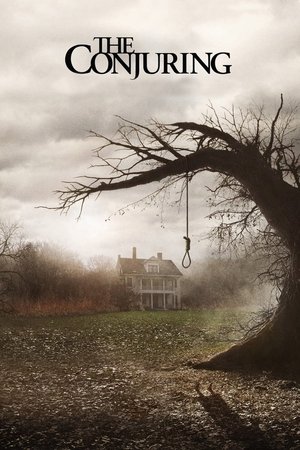
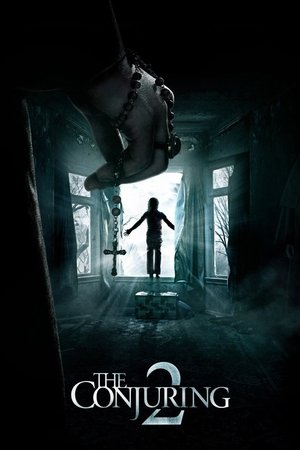
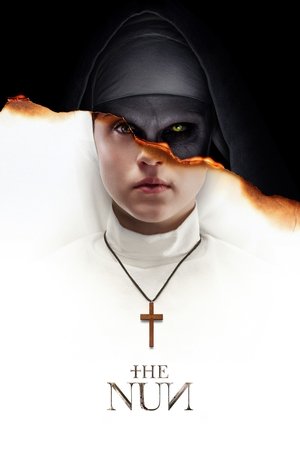
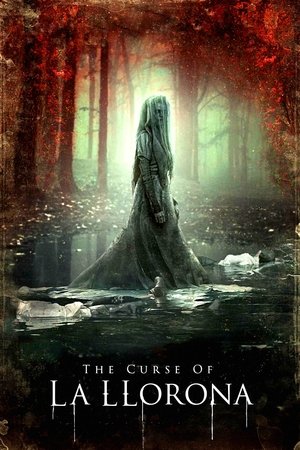
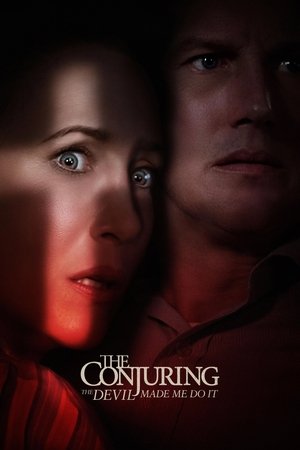
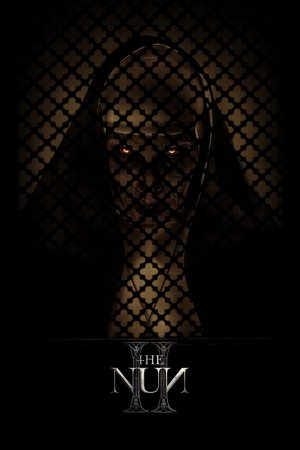
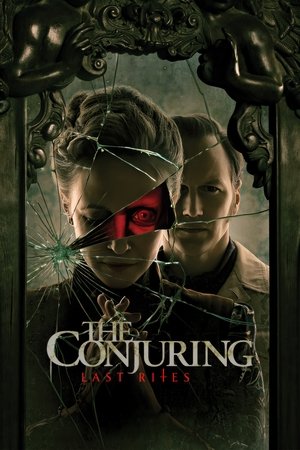
The Conjuring Universe is a shared universe of supernatural horror films centered on the case files of real-life paranormal investigators Ed and Lorraine Warren. Beginning with the critically acclaimed *The Conjuring* in 2013, the series established a grounded, period-authentic approach to demonic possession and haunting narratives, drawing from the Warrens' extensive archives. The core films follow the couple as they confront malevolent forces threatening families, while spin-off entries explore the origins of specific entities encountered in their work, such as the possessed doll Annabelle and the demonic nun Valak. This interconnected structure allows each installment to function as a standalone horror experience while contributing to a larger, cohesive mythology of evil and spiritual warfare. The universe is characterized by its atmospheric tension, meticulous period detail, and a thematic emphasis on faith, sacrifice, and the resilience of the family unit against supernatural oppression. By rooting its terrors in purportedly true events, the series blurs the line between documentary and fiction, lending an unsettling verisimilitude to its spectral antagonists. The inclusion of *The Curse of La Llorona* further expands the universe by integrating Latin American folklore, connecting the iconic Weeping Woman legend to the demonic pantheon already established. This crossover not only diversifies the cultural texture of the series but also reinforces the idea that the Warrens' world is one where all manner of ancient evils coexist. The Conjuring Universe has become a defining force in modern horror, praised for revitalizing the genre with its old-fashioned craftsmanship and character-driven storytelling. Its commercial success has spawned a sprawling multimedia franchise encompassing merchandise, short films, and a dedicated fanbase, cementing its status as the highest-grossing horror franchise in cinematic history.