🎬 The Curse of La Llorona (2019)
Part of The Conjuring
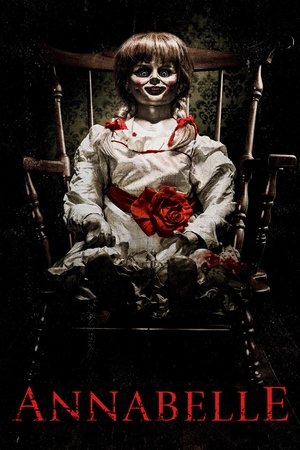
The Curse of La Llorona brings one of Latin America's most enduring and terrifying folk legends into the modern horror landscape, specifically within the dark, interconnected world of The Conjuring Universe. The film takes the classic ghost story of "The Weeping Woman"—a mother who drowned her children and is now a malevolent spirit—and transplants it to 1970s Los Angeles. While the core of the myth remains, the adaptation frames it as a demonic entity, a malevolent force that can be understood and confronted using the paranormal investigation methods familiar to fans of the Conjuring films. This connection is solidified by the appearance of Tony Amendola as Father Perez, a character who first appeared in Annabelle, tying the folklore directly to the franchise's established demonology.
Directed by Michael Chaves in his feature debut, the film was produced on a lean budget by James Wan's Atomic Monster and became a surprise box office success. The story follows a widowed social worker, played by Linda Cardellini, who must protect her own children after a case brings her into contact with the spirit. The film cleverly uses the 1970s setting to create a sense of isolation, as the protagonist cannot rely on modern technology and must instead turn to a curandero, a folk healer played by Raymond Cruz, who blends Catholic ritual with indigenous practices to fight the supernatural threat. This clash and fusion of belief systems is a central, compelling element of the narrative.
Critically, the film received mixed reviews, with many praising its atmosphere and performances but finding its reliance on jump scares to be formulaic. However, its connection to The Conjuring Universe was a major draw for audiences, even though it was not marketed as a mainline chapter. The film exists in a curious space, a spin-off that expands the franchise's world by incorporating a piece of authentic cultural mythology, proving that the series' demonic lore could extend beyond the Warrens' case files and into the realm of ancient, universal nightmares.

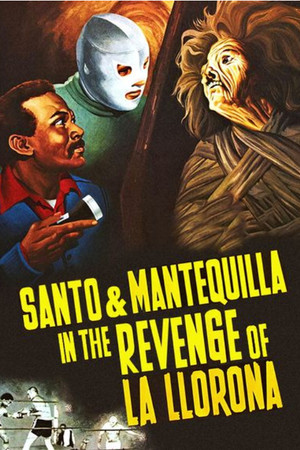
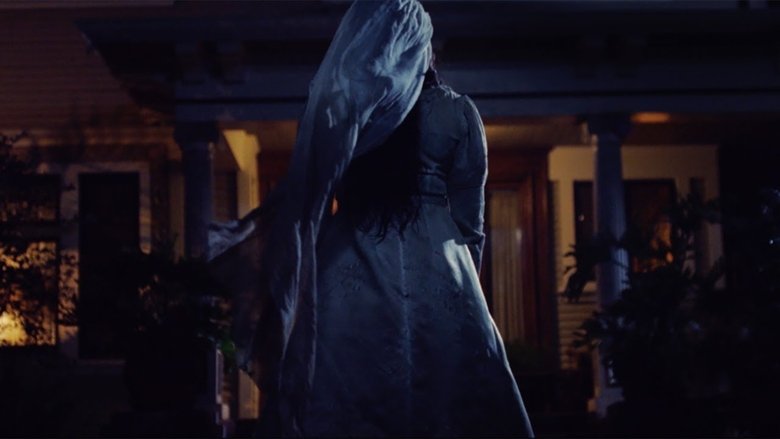
La Llorona, or 'The Weeping Woman,' is a prominent figure in Latin American folklore, particularly in Mexico and the Southwestern United States. The legend tells of a woman who, driven by grief, rage, or madness, drowns her own children in a river and then takes her own life. As punishment for her actions, her spirit is condemned to wander the earth for eternity, weeping and searching for her lost children. She is often described as a spectral figure in a white dress, crying out '¡Ay, mis hijos!' ('Oh, my children!').
The origins of the legend are ancient, with some scholars tracing its roots back to pre-Columbian Aztec mythology and goddesses like Cihuacōātl, who was associated with motherhood, childbirth, and omens of war. Over centuries, the story blended with Spanish colonial influences and Catholic themes of sin and purgatory, evolving into the well-known cautionary tale used to warn children against wandering off at night or playing near dangerous waters. The specific details of her story vary by region, with different names and circumstances given for the woman and her tragic act.
La Llorona has become a deeply ingrained cultural archetype, symbolizing maternal failure, betrayal, and profound sorrow. She is a staple of campfire stories and oral tradition, passed down through generations. The figure has inspired countless works of art, literature, music, and film, making her one of the most recognizable and enduring icons of Mexican and Chicano folklore, a powerful embodiment of tragedy and the supernatural.
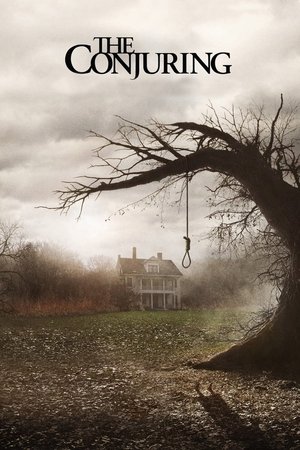
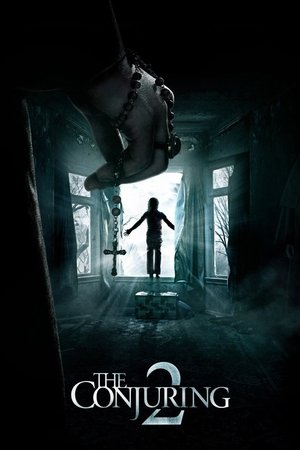
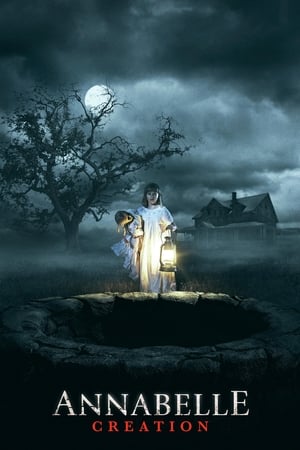
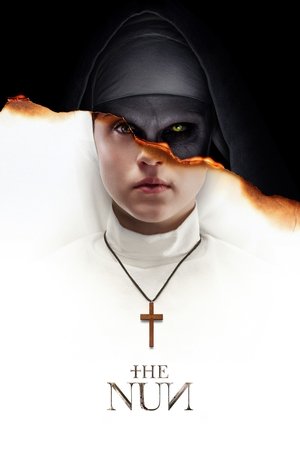
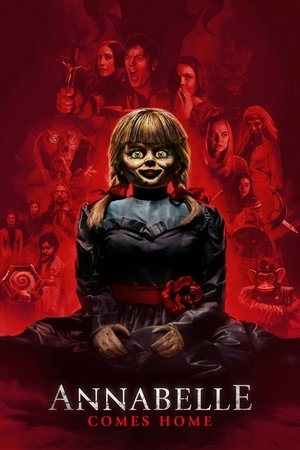
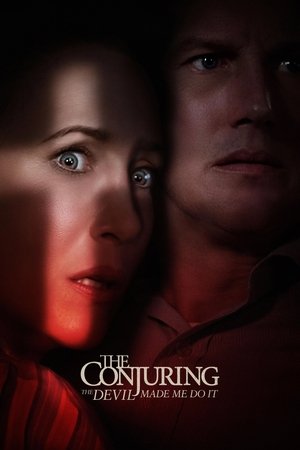
The Conjuring Universe is a shared universe of supernatural horror films centered on the case files of real-life paranormal investigators Ed and Lorraine Warren. Beginning with the critically acclaimed *The Conjuring* in 2013, the series established a grounded, period-authentic approach to demonic possession and haunting narratives, drawing from the Warrens' extensive archives. The core films follow the couple as they confront malevolent forces threatening families, while spin-off entries explore the origins of specific entities encountered in their work, such as the possessed doll Annabelle and the demonic nun Valak. This interconnected structure allows each installment to function as a standalone horror experience while contributing to a larger, cohesive mythology of evil and spiritual warfare. The universe is characterized by its atmospheric tension, meticulous period detail, and a thematic emphasis on faith, sacrifice, and the resilience of the family unit against supernatural oppression. By rooting its terrors in purportedly true events, the series blurs the line between documentary and fiction, lending an unsettling verisimilitude to its spectral antagonists. The inclusion of *The Curse of La Llorona* further expands the universe by integrating Latin American folklore, connecting the iconic Weeping Woman legend to the demonic pantheon already established. This crossover not only diversifies the cultural texture of the series but also reinforces the idea that the Warrens' world is one where all manner of ancient evils coexist. The Conjuring Universe has become a defining force in modern horror, praised for revitalizing the genre with its old-fashioned craftsmanship and character-driven storytelling. Its commercial success has spawned a sprawling multimedia franchise encompassing merchandise, short films, and a dedicated fanbase, cementing its status as the highest-grossing horror franchise in cinematic history.