🎬 It Chapter Two (2019)
Part of It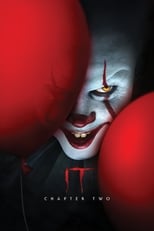
Andy Muschietti’s It Chapter Two faced the unenviable task of adapting the more challenging adult half of Stephen King’s sprawling novel, a section dense with cosmic mythology and the painful excavation of repressed memories. The film brings the Losers Club back to Derry as successful but emotionally scarred adults, cleverly casting actors like Jessica Chastain and James McAvoy who physically and temperamentally echo their younger counterparts. Where the first film thrived on the immediacy of childhood fear, the sequel leans into the melancholy of adulthood, framing the return to Derry as a forced reckoning with trauma that each character has buried in their own way. The screenplay by Gary Dauberman streamlines King’s interwoven timelines, keeping the focus squarely on the grown Losers as they retrieve tokens from their past to fuel a ritual meant to destroy It forever.
The film’s most talked-about deviation from the novel is its handling of the Ritual of Chüd, which in the book is a bizarre psychic battle across time and space. Muschietti and Dauberman translate this into a more cinematic confrontation where the Losers confront their deepest fears in a shapeshifting cavern, bullying Pennywise down to a diminished, almost pitiable form before destroying him. This choice divided fans, with some praising the emotional catharsis of seeing the monster literally shrink under the weight of their reclaimed courage, while others missed the novel’s more abstract, metaphysical climax. The film also expands the role of Richie Tozier, played with surprising depth by Bill Hader, adding a subtext of repressed sexuality that was not explicit in the source material but resonated strongly with audiences and critics alike.
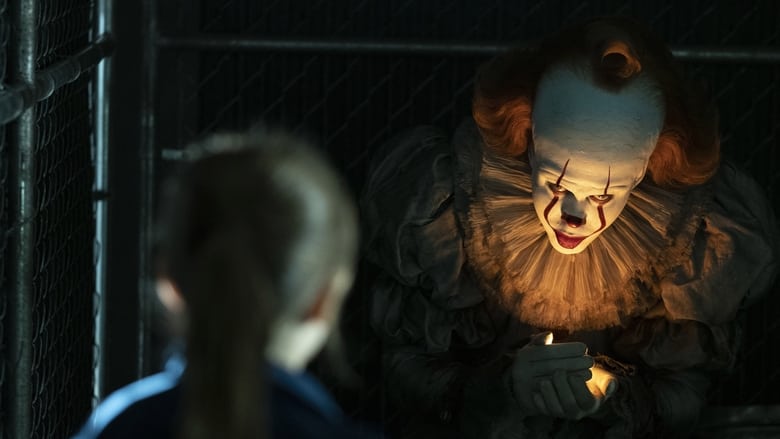
Visually, the sequel doubles down on the grotesque spectacle, unleashing a parade of nightmare creatures including a leprous homeless woman, a towering Paul Bunyan statue, and a head-spider with a disturbingly human face. Bill Skarsgård returns as Pennywise with even more unsettling physicality, his performance a blend of predatory stillness and sudden, jerky violence that continues to distinguish this iteration from Tim Curry’s more overtly playful 1990 version. The film’s nearly three-hour runtime allowed for extended set pieces, though some reviewers felt the episodic structure of retrieving individual totems became repetitive, a structural challenge inherited directly from the novel’s second half.
Upon release, It Chapter Two earned over $473 million worldwide against a $79 million budget, a commercial success that nonetheless fell short of its predecessor’s record-breaking numbers. Critical reception was mixed, with praise for the cast’s chemistry and the emotional weight of the story’s conclusion, but criticism aimed at its pacing and a perceived over-reliance on jump scares. The film ultimately completes Muschietti’s ambitious two-part adaptation by honoring the novel’s core theme: that the real horror is not the monster, but the wounds of childhood that never fully heal, and that facing them together is the only way to truly grow up.

It is a 1986 horror novel by American author Stephen King. It is his 22nd book and 17th novel published under his own name. The story follows seven children in the fictional town of Derry, Maine, who are terrorized by a shape‑shifting entity that feeds on fear and most often appears as Pennywise the Dancing Clown. The novel explores themes of memory, childhood trauma, the loss of innocence, and the power of friendship and belief. Upon release, It became the best‑selling hardcover fiction book in the United States for 1986 and won the British Fantasy Award in 1987. The novel’s length, graphic violence, and a controversial scene involving the child protagonists sparked considerable discussion, but it also cemented King’s reputation as a master of epic horror. The character of Pennywise has become one of the most iconic villains in popular culture, and the novel’s success has led to numerous adaptations across film, television, and other media.
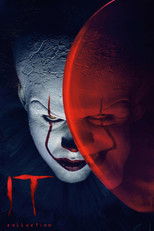
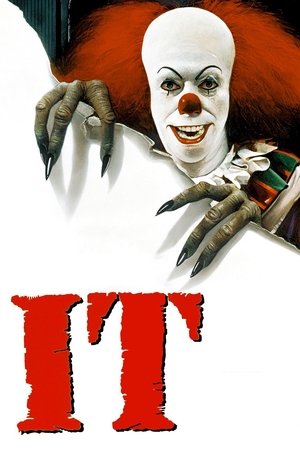
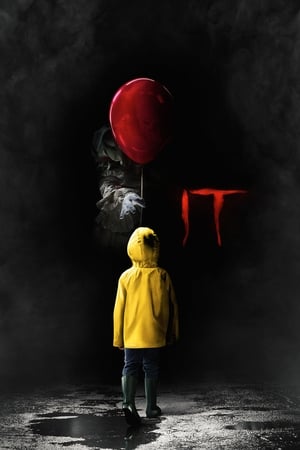
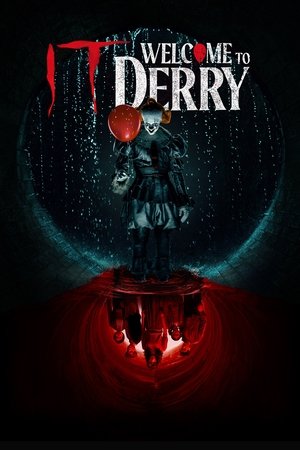
The It film series is a cinematic adaptation of Stephen King's epic 1986 horror novel, structured as a two-part saga that mirrors the book's dual-timeline narrative. The story unfolds in the cursed town of Derry, Maine, where a shape-shifting, child-devouring entity awakens every twenty-seven years to feed on fear. The first installment focuses on a group of outcast kids, the Losers' Club, who confront the monster in 1989, while the second chapter reunites them as adults in 2016 to fulfill a blood oath and end the cycle of terror. This bifurcated approach allowed the filmmakers to delve deeply into the parallel experiences of childhood vulnerability and adult trauma, preserving the novel's thematic richness across two feature-length films. The series later expanded with a prequel television show, exploring the entity's origins and the town's dark history, further enriching the mythology without diluting the core narrative arc. At its heart, the collection is a coming-of-age story wrapped in supernatural horror, examining how the fears of youth evolve into the repressed anxieties of adulthood. It uses the monstrous Pennywise the Dancing Clown—a masterful creation of practical effects and performance—as a metaphor for the unspoken horrors that lurk beneath the surface of small-town life, from abuse and bigotry to collective denial. The Losers' Club's journey is one of reclamation: by remembering and confronting what they buried, they rediscover the strength of their childhood bond. This emphasis on friendship, memory, and resilience gives the horror a poignant emotional core, elevating it beyond mere scares to a meditation on the lasting power of shared experience. The series became a landmark in modern horror cinema, achieving both critical acclaim and massive commercial success. It revitalized interest in King's work for a new generation and demonstrated that literary horror could be translated into blockbuster filmmaking without sacrificing psychological depth. The 2017 film, in particular, broke box-office records for the genre, proving that R-rated horror could draw mainstream audiences on a global scale. Its blend of nostalgic adventure, genuine terror, and heartfelt character drama set a new template for large-scale horror adaptations, influencing subsequent projects and cementing the Losers' Club as iconic figures in pop culture. With the addition of the television series, the It collection has grown into a broader exploration of Derry's cursed legacy, though the two films remain the narrative and emotional centerpiece. The franchise's legacy lies in its ability to balance spectacle with intimacy, using the horror genre to tell a deeply human story about confronting the past. It stands as a definitive example of how to adapt a sprawling novel with fidelity and creative ambition, leaving an indelible mark on both horror and coming-of-age storytelling.