📺 It (1990)
Part of It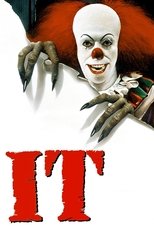
Tommy Lee Wallace’s 1990 television adaptation of Stephen King’s sprawling novel faced the unenviable task of condensing over a thousand pages of cosmic horror and childhood trauma into a two-night ABC event. The miniseries made a crucial structural decision that would define its legacy: it intercut the 1960 childhood timeline with the 1990 adult reunion, rather than presenting them as separate, novel-length halves. This cross-cutting approach kept both generations of the Losers Club in constant dialogue, but it also meant that the rich interior lives of the characters and the novel’s deeper mythological lore—including the cosmic Turtle and the true nature of the Deadlights—were largely jettisoned in favor of a more straightforward monster hunt.
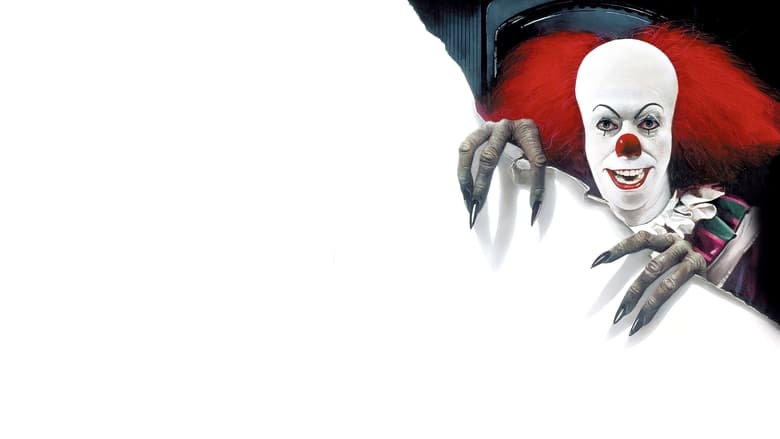
The adaptation’s most enduring triumph is unquestionably Tim Curry’s portrayal of Pennywise the Dancing Clown. While the novel’s entity is a shapeshifter that exploits specific phobias, Curry’s performance distilled the horror into a single, unforgettable persona: a gleefully malevolent clown with a thick Bronx accent, whose menace came not from gore but from an unnerving oscillation between childish playfulness and sudden, snarling rage. This interpretation was so potent that it permanently altered the public perception of the character, overshadowing the book’s more ethereal and alien descriptions. Other changes were more pragmatic; the controversial and unfilmable adolescent sewer scene from the novel was wisely omitted, and the adult Losers’ final confrontation with the spider-like manifestation of It was realized through then-state-of-the-art stop-motion animation, a choice that drew mixed reactions for its departure from the novel’s more abstract climax.
Critically, the miniseries was a phenomenon that transcended its uneven production values. Airing during the November sweeps, it drew a staggering 30 million viewers, becoming ABC’s biggest success of the year despite pre-airing skepticism and interruptions for presidential news coverage. The cast, a mix of established TV stars like John Ritter and Harry Anderson alongside young talents like Jonathan Brandis, grounded the supernatural plot in genuine camaraderie. Richard Bellis’s Emmy-winning score provided a carnivalesque eeriness that became synonymous with the story, and the editing won an Eddie Award for weaving the dual timelines together. For a generation of viewers, this adaptation was the definitive version of King’s novel, its made-for-TV limitations becoming part of its nostalgic charm.
In the decades since, the 1990 It has settled into a unique cultural position: a beloved but imperfect relic that introduced Pennywise to the mainstream. Its focus on character-driven horror over explicit violence made it a gateway into King’s universe for viewers too young for the book. While later adaptations would have the budget and creative freedom to explore the novel’s cosmic scale and R-rated terror, Wallace’s miniseries remains a landmark of television horror, proving that a network TV event could capture the essence of an epic story through sheer performance and atmosphere, even if it had to leave the Turtle behind.

It is a 1986 horror novel by American author Stephen King. It is his 22nd book and 17th novel published under his own name. The story follows seven children in the fictional town of Derry, Maine, who are terrorized by a shape‑shifting entity that feeds on fear and most often appears as Pennywise the Dancing Clown. The novel explores themes of memory, childhood trauma, the loss of innocence, and the power of friendship and belief. Upon release, It became the best‑selling hardcover fiction book in the United States for 1986 and won the British Fantasy Award in 1987. The novel’s length, graphic violence, and a controversial scene involving the child protagonists sparked considerable discussion, but it also cemented King’s reputation as a master of epic horror. The character of Pennywise has become one of the most iconic villains in popular culture, and the novel’s success has led to numerous adaptations across film, television, and other media.
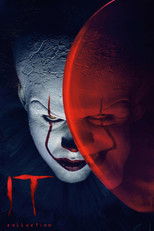
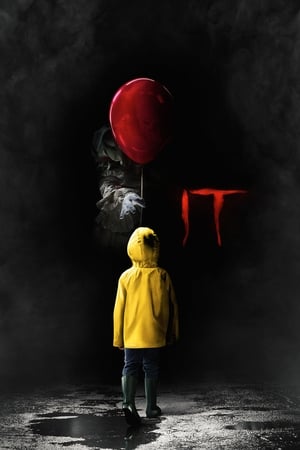
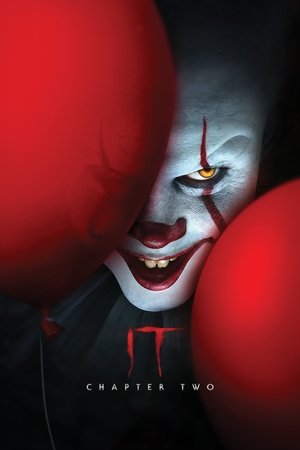
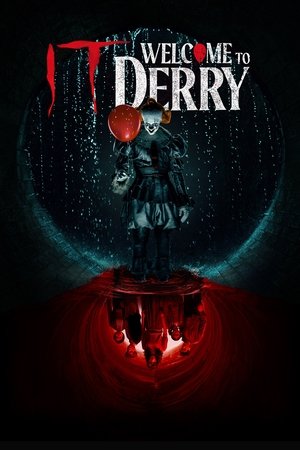
The It film series is a cinematic adaptation of Stephen King's epic 1986 horror novel, structured as a two-part saga that mirrors the book's dual-timeline narrative. The story unfolds in the cursed town of Derry, Maine, where a shape-shifting, child-devouring entity awakens every twenty-seven years to feed on fear. The first installment focuses on a group of outcast kids, the Losers' Club, who confront the monster in 1989, while the second chapter reunites them as adults in 2016 to fulfill a blood oath and end the cycle of terror. This bifurcated approach allowed the filmmakers to delve deeply into the parallel experiences of childhood vulnerability and adult trauma, preserving the novel's thematic richness across two feature-length films. The series later expanded with a prequel television show, exploring the entity's origins and the town's dark history, further enriching the mythology without diluting the core narrative arc. At its heart, the collection is a coming-of-age story wrapped in supernatural horror, examining how the fears of youth evolve into the repressed anxieties of adulthood. It uses the monstrous Pennywise the Dancing Clown—a masterful creation of practical effects and performance—as a metaphor for the unspoken horrors that lurk beneath the surface of small-town life, from abuse and bigotry to collective denial. The Losers' Club's journey is one of reclamation: by remembering and confronting what they buried, they rediscover the strength of their childhood bond. This emphasis on friendship, memory, and resilience gives the horror a poignant emotional core, elevating it beyond mere scares to a meditation on the lasting power of shared experience. The series became a landmark in modern horror cinema, achieving both critical acclaim and massive commercial success. It revitalized interest in King's work for a new generation and demonstrated that literary horror could be translated into blockbuster filmmaking without sacrificing psychological depth. The 2017 film, in particular, broke box-office records for the genre, proving that R-rated horror could draw mainstream audiences on a global scale. Its blend of nostalgic adventure, genuine terror, and heartfelt character drama set a new template for large-scale horror adaptations, influencing subsequent projects and cementing the Losers' Club as iconic figures in pop culture. With the addition of the television series, the It collection has grown into a broader exploration of Derry's cursed legacy, though the two films remain the narrative and emotional centerpiece. The franchise's legacy lies in its ability to balance spectacle with intimacy, using the horror genre to tell a deeply human story about confronting the past. It stands as a definitive example of how to adapt a sprawling novel with fidelity and creative ambition, leaving an indelible mark on both horror and coming-of-age storytelling.