🎬 Batman vs. Two-Face (2017)
Part of Batman (Adam West) Animation
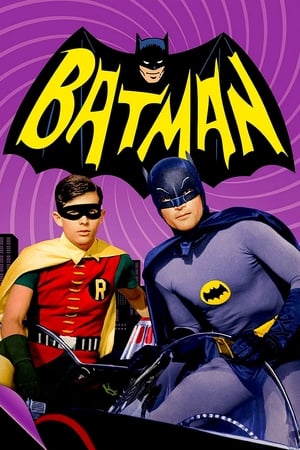
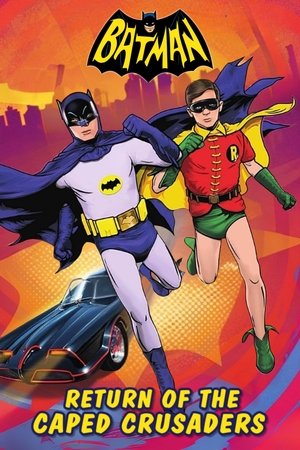
Batman vs. Two-Face is a 2017 animated film that serves as both a direct sequel to Batman: Return of the Caped Crusaders and a loving continuation of the classic 1960s Batman television series. Produced by Warner Bros. Animation, the film brought back the iconic voices of Adam West as Batman, Burt Ward as Robin, and Julie Newmar as Catwoman, reuniting the original cast for one final adventure. Tragically, this marked West's final performance as the Caped Crusader, as he passed away before the film's release, making it a poignant farewell to the actor who defined the role for a generation.
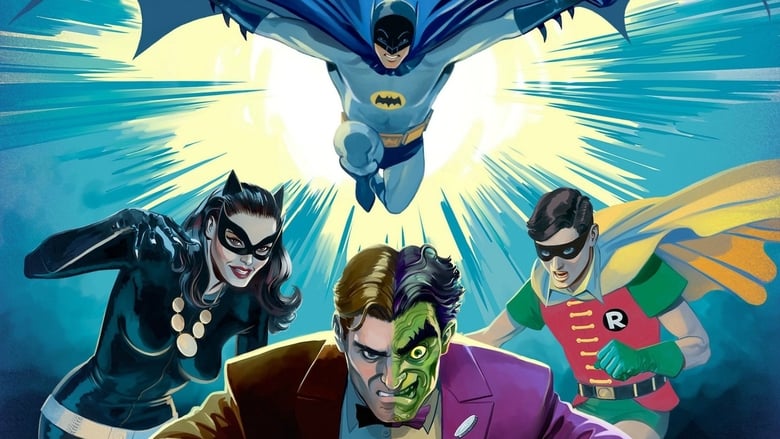
The story introduces Harvey Dent, Gotham's district attorney, who becomes the disfigured villain Two-Face after a demonstration of Professor Hugo Strange's "Evil Extractor" machine goes horribly wrong. The film cleverly adapts the classic Batman villain into the campy, colorful world of the 1960s series, with William Shatner providing the voice of Two-Face in a casting choice that delighted fans. The film maintains the series' signature humor, bright visuals, and playful tone while introducing a character who never appeared in the original live-action show.
As part of the Batman (Adam West) Animation Collection, this film and its predecessor successfully revived the spirit of the 1966 series for modern audiences. The original show, which aired on ABC from 1966 to 1968, was a cultural sensation known for its camp style, celebrity villains, and on-screen "POW!" graphics. Batman vs. Two-Face honors that legacy by preserving the show's lighthearted approach to superheroics while expanding its universe with characters and concepts that the original series never had the chance to explore.
This animated duology serves as a vibrant and deliberate time capsule, resurrecting the beloved 1960s Batman television series for a modern audience while preserving every ounce of its campy, pop-art charm. More than a mere continuation, these films function as a joyful celebration of a bygone era of superhero storytelling, standing in stark, colorful contrast to the darker interpretations of the character that have since dominated popular culture. With the late Adam West returning to voice the Caped Crusader, the collection captures the unique cadence and unshakeable moral certainty that defined his portrayal, reminding viewers that heroism can be delivered with a straight face and a healthy dose of absurdity.
The narrative heart of this collection lies in its successful revival of the series’ signature tone, blending deadpan humor with outlandish plots and a rogue’s gallery that never met a themed crime they didn’t like. In *Batman: Return of the Caped Crusaders*, the dynamic between Batman and the Boy Wonder is tested by the introduction of a villainous duplicate, all while maintaining the classic, chaste tension of the Catwoman romance. The sequel, *Batman vs. Two-Face*, takes an even bolder step by finally introducing the duality-obsessed villain into this specific universe, with William Shatner delivering a deliciously melodramatic performance that fits the world like a purple glove.
Ultimately, the cultural significance of this animated collection rests in its dual function as both a nostalgic love letter and a final, poignant curtain call for West’s Dark Knight. The films explore the very idea of a Batman who is unburdened by brooding trauma, a fully realized hero whose greatest weapon is his unflappable decorum in the face of giant clams and deathtraps. By revisiting this brighter Gotham City through lush, modern animation, the collection bridges generations, allowing original fans to share the "Batusi" with newcomers while cementing the legacy of a Batman who proved that crime-fighting could be pure, unadulterated fun.