🎬 Doctor Sleep (2019)
Part of The Shining
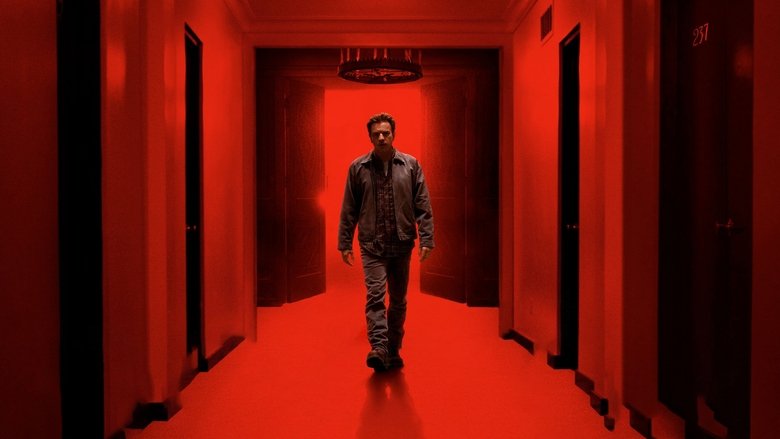
Mike Flanagan’s 2019 film Doctor Sleep faced a seemingly impossible task: adapting Stephen King’s literary sequel while also serving as a direct follow-up to Stanley Kubrick’s The Shining, a film the author famously despises. Flanagan’s ingenious solution was to perform a high-wire act of reconciliation, crafting a narrative that honors King’s novelistic themes of redemption and recovery while visually and tonally paying homage to Kubrick’s iconic imagery. The film follows a haunted, alcoholic Dan Torrance (Ewan McGregor), who finds a purpose shielding a powerful young girl, Abra Stone, from Rose the Hat and the True Knot, a caravan of soul-devouring psychic vampires. This central plot is a faithful adaptation of the book’s core conflict, but Flanagan makes significant structural changes, most notably by transplanting the novel’s climax from the site of the demolished Overlook Hotel back to the still-standing, malevolent hotel from the 1980 film.
The most discussed and debated change is the film’s third act, which abandons the book’s final confrontation at the location of the old Overlook in favor of a full-blown return to the iconic hotel. This allows Flanagan to meticulously recreate Kubrick’s sets, complete with doppelgängers of key characters, and gives Dan an ending that mirrors his father’s infamous fate but is recontextualized as a heroic, self-sacrificial act. This shift fundamentally alters the story’s message: where King’s novel is about breaking the cycle of addiction and trauma to build a future, Flanagan’s film suggests that one must physically return to the source of trauma to exorcise it completely. The director’s cut, released on home video, is notably longer and structures the film into chapters like a book, further blending the literary and cinematic experiences.
Critically, Doctor Sleep was well-received, with many praising Flanagan’s ambitious and emotionally resonant approach, as well as standout performances from Rebecca Ferguson as the seductively evil Rose the Hat and young Kyliegh Curran as Abra. However, its box office performance was considered a disappointment, a fate often attributed to the challenge of marketing a film that was simultaneously a sequel to a literary classic and a cinematic masterpiece, potentially alienating fans of both. Despite this, the film has grown in stature, recognized as a deeply personal work from Flanagan that bravely navigates the legacies of two masters of horror to find its own poignant voice about the ghosts of the past and the courage it takes to finally lock them away.

Doctor Sleep is a 2013 horror novel by American author Stephen King. It is the long-awaited sequel to his 1977 classic, The Shining. The story picks up decades later, following a now-adult Dan Torrance, who struggles with the trauma of his childhood at the Overlook Hotel and the alcoholism that plagued his father. Dan eventually finds sobriety and uses his psychic abilities, known as 'the shining,' to comfort dying patients at a hospice, earning him the nickname 'Doctor Sleep.'
The narrative connects Dan with a young girl named Abra Stone, whose shining is exponentially more powerful than his own. Their bond puts them on a collision course with the True Knot, a nomadic group of quasi-immortal psychic vampires who travel across America torturing and murdering children to consume their 'steam'—the essence released when those who shine die in pain. The novel explores themes of redemption, addiction, and the enduring nature of childhood trauma.
Upon its release, Doctor Sleep was a commercial and critical success, reaching the number one spot on The New York Times Best Seller list for hardcover fiction. It won the 2013 Bram Stoker Award for Best Novel, solidifying its place as a worthy successor to one of the most iconic horror stories of the 20th century.
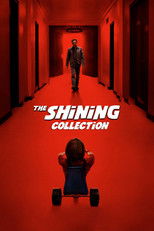
The Shining is a supernatural horror media franchise that originated from Stephen King's acclaimed 1977 novel. The story centers on the Torrance family and the malevolent Overlook Hotel, a remote mountain resort that preys upon the psychic sensitivity known as 'the shining'—a latent ability to perceive past and future horrors, often tied to trauma and addiction. The franchise explores themes of isolation, familial breakdown, and the cyclical nature of violence, using the haunted hotel as a crucible for psychological disintegration.\n\nThe franchise's most iconic entry is Stanley Kubrick's 1980 film adaptation, a psychological horror masterpiece that diverged significantly from its source material to craft a uniquely unsettling cinematic experience. Its labyrinthine set design, pioneering Steadicam shots, and Jack Nicholson's unhinged performance have become touchstones of the genre. Decades later, King's 2013 sequel novel Doctor Sleep revisited the adult Danny Torrance, and its 2019 film adaptation by Mike Flanagan bridged the literary and cinematic legacies, honoring both King's original vision and Kubrick's indelible imagery.\n\nBeyond the two primary films, the franchise includes a 1997 television miniseries that hewed closer to the novel, as well as soundtracks and other media. Culturally, The Shining has left an outsized mark on popular culture, with its imagery—the twin girls, the blood elevator, 'Here's Johnny!'—instantly recognizable worldwide. It continues to influence filmmakers and artists, standing as a testament to horror's power to explore the darkest corners of the human psyche while captivating global audiences.