🎬 The Shining (1980)
Part of The Shining
Stanley Kubrick's The Shining stands as one of the most analyzed and debated horror films in cinema history, a work that deliberately diverges from its source material to create something entirely its own. Released in 1980, the film adapts Stephen King's 1977 bestseller but transforms the story of the Torrance family's winter at the Overlook Hotel into a labyrinthine psychological nightmare. Where King's novel is a deeply personal story of a man fighting his demons and ultimately sacrificing himself for his family, Kubrick's film presents a colder, more ambiguous descent into madness, suggesting Jack Torrance was perhaps always a monster waiting to emerge.
The production itself became legendary for its intensity. Filmed primarily at EMI Elstree Studios in England, Kubrick demanded an unprecedented number of takes for many scenes, pushing his actors to emotional and physical extremes. Shelley Duvall's performance as Wendy was particularly affected; the director's relentless methods, while yielding a raw and terrified portrayal, sparked decades of discussion about on-set treatment. The film also pioneered the use of the then-new Steadicam technology, allowing cinematographer Garrett Brown to create the iconic low-angle tracking shots following Danny through the Overlook's endless hallways, giving the hotel an impossible, dreamlike geography that subtly unsettles viewers.
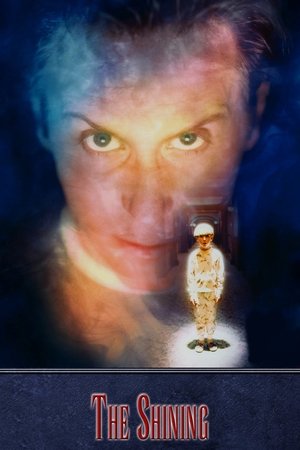
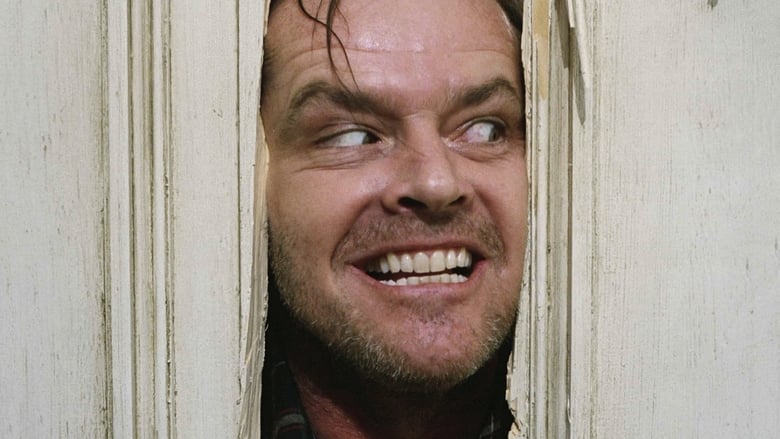
King himself famously disliked the adaptation, objecting to the fundamental changes in Jack's character arc and the film's clinical detachment from the novel's emotional core. This dissatisfaction led King to write and produce a 1997 television miniseries that hewed more faithfully to the book, though it never achieved the cultural impact of Kubrick's version. The film's legacy has only grown over time, with its imagery—the twin girls, the elevator of blood, 'Here's Johnny!'—becoming permanent fixtures in the horror lexicon. It has inspired countless analyses, conspiracy theories, and the 2012 documentary Room 237, which explores the obsessive interpretations fans have projected onto the film.
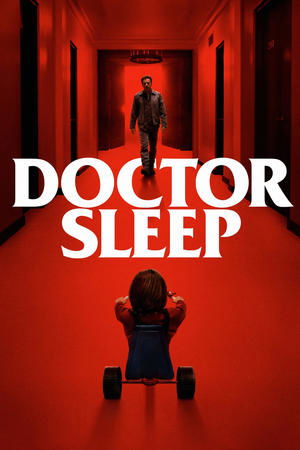
In 2019, director Mike Flanagan achieved the seemingly impossible with Doctor Sleep, a film adaptation of King's 2013 sequel novel that managed to honor both King's literary universe and Kubrick's cinematic one. Flanagan's film serves as a direct sequel to the 1980 movie while incorporating elements from the original novel that Kubrick had omitted, creating a bridge between the two visions. The Shining franchise thus spans multiple mediums and interpretations, from King's deeply personal horror novel to Kubrick's clinical masterpiece to Flanagan's reconciliatory follow-up, each version reflecting its creator's distinct vision while contributing to the enduring power of the Overlook Hotel as one of fiction's most terrifying places.

The Shining is a horror novel by American author Stephen King, first published in 1977 by Doubleday. It was King's third published novel and his first hardcover bestseller, establishing him as a major voice in horror literature. The story follows Jack Torrance, an aspiring writer and recovering alcoholic who accepts a position as the winter caretaker of the historic Overlook Hotel in the Colorado Rockies. He brings his wife Wendy and their young son Danny, who possesses psychic abilities known as "the shining," which allow him to see the hotel's horrific past and its malevolent supernatural inhabitants.
As the family settles in for the long, isolated winter, the Overlook's dark forces begin to manipulate Jack's weaknesses—his temper, his alcoholism, and his frustrated ambitions—gradually driving him toward madness and violence. Danny's gift makes him both a target and the family's only hope for survival as the hotel's ghosts grow stronger and more demanding. The novel explores themes of addiction, family dysfunction, the cyclical nature of abuse, and the destructive power of isolation.
The Shining was inspired by King's stay at The Stanley Hotel in Estes Park, Colorado, where he and his wife were the only guests as the hotel prepared to close for the season. The eerie emptiness of the grand old hotel, combined with King's own struggles with alcoholism and his fears about his temper as a young father, gave birth to one of the most iconic haunted house stories in modern literature. The novel remains one of King's most celebrated works and has had an enormous influence on the horror genre.
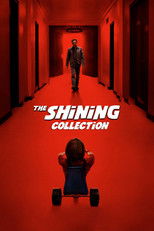
The Shining is a supernatural horror media franchise that originated from Stephen King's acclaimed 1977 novel. The story centers on the Torrance family and the malevolent Overlook Hotel, a remote mountain resort that preys upon the psychic sensitivity known as 'the shining'—a latent ability to perceive past and future horrors, often tied to trauma and addiction. The franchise explores themes of isolation, familial breakdown, and the cyclical nature of violence, using the haunted hotel as a crucible for psychological disintegration.\n\nThe franchise's most iconic entry is Stanley Kubrick's 1980 film adaptation, a psychological horror masterpiece that diverged significantly from its source material to craft a uniquely unsettling cinematic experience. Its labyrinthine set design, pioneering Steadicam shots, and Jack Nicholson's unhinged performance have become touchstones of the genre. Decades later, King's 2013 sequel novel Doctor Sleep revisited the adult Danny Torrance, and its 2019 film adaptation by Mike Flanagan bridged the literary and cinematic legacies, honoring both King's original vision and Kubrick's indelible imagery.\n\nBeyond the two primary films, the franchise includes a 1997 television miniseries that hewed closer to the novel, as well as soundtracks and other media. Culturally, The Shining has left an outsized mark on popular culture, with its imagery—the twin girls, the blood elevator, 'Here's Johnny!'—instantly recognizable worldwide. It continues to influence filmmakers and artists, standing as a testament to horror's power to explore the darkest corners of the human psyche while captivating global audiences.