🎬 Morbius (2022)
Part of Sony’s Marvel
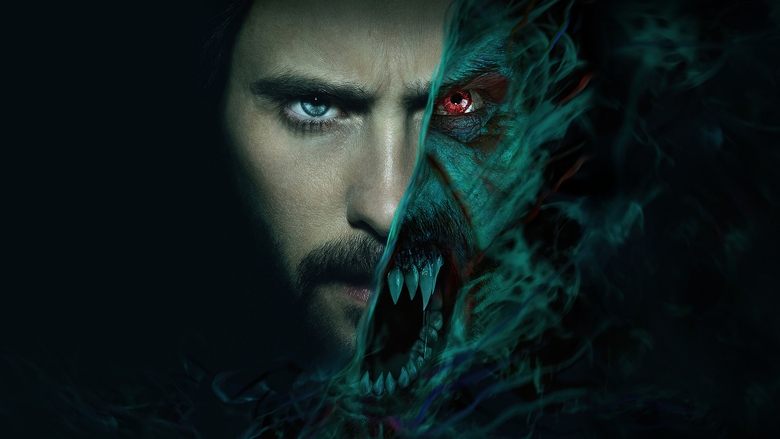
Morbius (2022) is a superhero film based on the Marvel Comics character of the same name, marking the third installment in Sony's Spider-Man Universe (SSU) following Venom (2018) and Venom: Let There Be Carnage (2021). Directed by Daniel Espinosa and starring Jared Leto in the title role, the film tells the origin story of Dr. Michael Morbius, a brilliant biochemist who, in a desperate attempt to cure his rare blood disease, inadvertently transforms himself into a living vampire. The adaptation takes significant liberties with the source material while retaining the core narrative of a man cursed by his own scientific ambition.
The comic book Morbius debuted in 1971's The Amazing Spider-Man #101, created by Roy Thomas and Gil Kane as a tragic, sympathetic villain. The character's introduction was notable for being one of the first major horror-themed characters in mainstream superhero comics after the relaxation of the Comics Code Authority's restrictions. Over the decades, Morbius evolved from a Spider-Man antagonist to a complex anti-hero, headlining his own series in the 1990s and appearing in various animated adaptations. The 2022 film strips away the character's direct connection to Spider-Man, instead positioning him within Sony's expanding universe of Marvel anti-heroes.
Prior attempts to bring Morbius to the screen included plans for a role in the Blade franchise and a standalone film from Artisan Entertainment, but neither materialized. Sony's official development began in 2017, with Leto and Espinosa joining the project in 2018. The film's production faced multiple delays, partly due to the COVID-19 pandemic, and it was released to mixed reviews, with critics citing its formulaic plot and uneven visual effects. Nevertheless, the film introduced general audiences to one of Marvel's most enduring supernatural characters, expanding the cinematic landscape for future SSU entries.

Morbius, also known as Morbius the Living Vampire, is a fictional character appearing in American comic books published by Marvel Comics. Created by writer Roy Thomas and artist Gil Kane, he first appeared in The Amazing Spider-Man #101 (October 1971). The character is Dr. Michael Morbius, a Nobel Prize-winning biochemist who attempts to cure his rare blood disease with an experimental treatment involving vampire bat DNA and electroshock therapy. The procedure mutates him into a pseudo-vampire, granting him superhuman abilities such as enhanced strength, speed, healing, flight, and hypnotic powers, but also leaving him with an insatiable craving for human blood. Unlike traditional vampires, Morbius is not undead and lacks typical supernatural weaknesses, instead struggling with a tragic duality between his monstrous hunger and his remaining humanity.
Initially introduced as a tragic antagonist for Spider-Man, Morbius became one of Marvel's first anti-heroes during the bronze age of comics, appearing at a time when the Comics Code Authority was relaxing its restrictions on horror-themed characters. Over the years, the character has walked a fine line between villain and hero, often featured as a conflicted vigilante. He was later given his own series, Morbius the Living Vampire, which launched in 1992 as part of the 'Rise of the Midnight Sons' crossover event that revamped several horror-themed Marvel characters. The series presented Morbius as a lethal anti-hero battling supernatural threats, running until 1995.
Subsequent appearances have seen Morbius join teams like the Midnight Sons and the Legion of Monsters, while continuing to struggle with his bloodlust. The character has been depicted in various storylines that explore themes of identity, monstrosity, and redemption, making him a distinctive figure in the Marvel Universe. His popularity has endured through multiple revivals and limited series, cementing him as a key part of Marvel's supernatural roster.

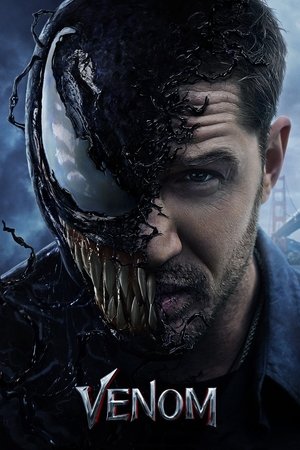
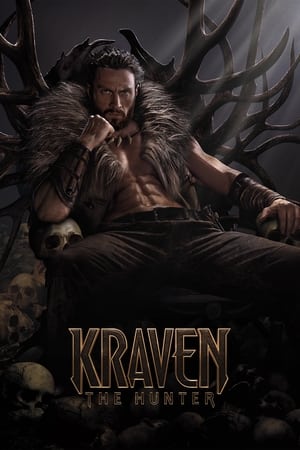
Sony's Spider-Man Universe is a media franchise and shared universe centered on a collection of Marvel Comics characters associated with Spider-Man, produced by Sony Pictures. The series was conceived as a way to build a cinematic universe around the supporting characters and adversaries from the Spider-Man mythos, without the direct involvement of the titular hero in its early phases. It draws heavily from decades of comic book lore, particularly the rich history of iconic antiheroes and villains like Venom, Morbius, and Kraven the Hunter. The franchise explores darker, more morally complex corners of the Marvel universe, focusing on characters who operate outside the conventional hero-villain binary and often grapple with internal conflicts, monstrous transformations, and the blurred lines between good and evil.
At its core, the saga examines themes of symbiosis, identity, and redemption, drawing from the legacy of characters who merge with alien entities or embrace their monstrous sides. The narrative tradition emphasizes survival and the struggle to maintain humanity in the face of overwhelming power, evolving tales of pure antagonism into nuanced explorations of reluctant protectors. The franchise began with the commercially successful 'Venom' (2018), which established a tone of visceral action and character-driven drama, and has since expanded to include other standalone stories that prioritize high-stakes action and a distinct visual style.
Over time, these characters have transcended the printed page to become cultural touchstones, resonating with audiences through raw emotional intensity. The franchise leverages this appeal by crafting cinematic experiences that, while interconnected, largely function as standalone narratives. By focusing on underexplored corners of the Marvel universe, it has carved out a unique space in modern blockbuster cinema, proving that antiheroes and monster-driven narratives can captivate global audiences. The series has seen both critical and commercial variability, yet it continues to evolve, with each entry contributing to a broader tapestry of morally ambiguous storytelling within the superhero genre.