🎬 Venom: The Last Dance (2024)
Part of Venom
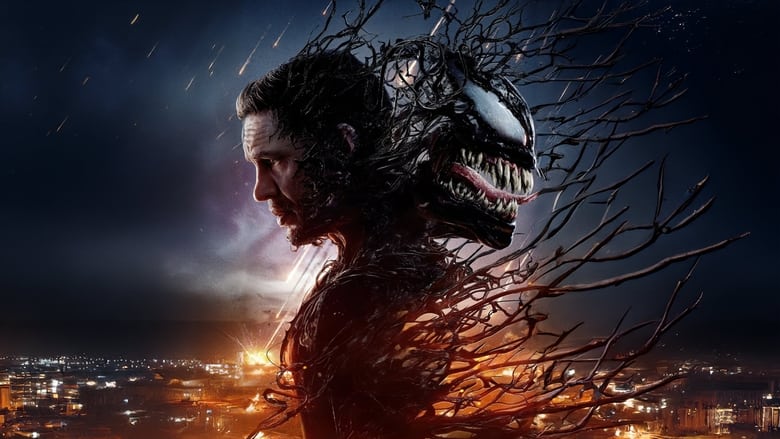
Venom: The Last Dance is the third and final installment in Sony's Venom trilogy, starring Tom Hardy as both Eddie Brock and the voice of the titular alien symbiote. The film is based on the Marvel Comics character Venom, who first appeared in The Amazing Spider-Man #300 in May 1988, created by David Michelinie and Todd McFarlane. The character began as a living alien costume worn by Spider-Man before bonding with disgraced journalist Eddie Brock, becoming one of Marvel's most iconic antiheroes.
The film introduces Knull, the King in Black, a cosmic entity who created the symbiotes and was introduced to Marvel Comics lore relatively recently in 2018. This marks a significant escalation from the previous films, which focused on symbiote offspring like Riot and Carnage. The Last Dance sees Eddie and Venom on the run from threats originating in both their worlds, including a military force led by Chiwetel Ejiofor's character and a terrifying Xenophage creature sent by Knull. The film was written and directed by Kelly Marcel, who co-wrote the previous two entries, making her directorial debut with this project.
As the conclusion to the Venom trilogy and the fifth entry in Sony's Spider-Man Universe, The Last Dance carries the weight of wrapping up Eddie and Venom's story arc that began with 2018's Venom and continued through 2021's Venom: Let There Be Carnage. The trilogy has been notable for its unconventional buddy-comedy tone, with Hardy's dual performance as both the hapless Eddie and the growling, chocolate-craving Venom earning praise even when critical reception to the films was mixed. The franchise has grossed over $1.3 billion worldwide, proving that a Spider-Man-adjacent character could carry a successful film series without the webslinger himself appearing in a lead role.
Production on The Last Dance faced the same challenges that affected many 2023 productions, with filming in Spain being halted by the SAG-AFTRA strike before resuming later that year. The film premiered in New York City on October 21, 2024, and was released theatrically in the United States on October 25, 2024, bringing the Venom saga to its planned conclusion.

Venom is a fictional character appearing in American comic books published by Marvel Comics. The character was created by writer David Michelinie and artist Todd McFarlane, making his first full appearance in The Amazing Spider-Man #300 in May 1988. The original and most well-known incarnation of Venom is Eddie Brock, a disgraced journalist who bonds with an alien symbiote that had previously been rejected by Spider-Man. The symbiote grants Brock superhuman strength, agility, and the ability to generate organic webbing, while also sharing with him Spider-Man's secret identity and a deep, mutual hatred for the wall-crawler.
The character was conceived as a darker, more physically imposing reflection of Spider-Man. The symbiote itself was originally introduced as a living alien costume for Spider-Man during the 1984 Secret Wars crossover event. After Spider-Man rejected it, the symbiote found a new host in Eddie Brock, merging their shared resentment into a singular, monstrous entity. Venom quickly became one of Spider-Man's most popular and enduring foes, distinguished by his grotesque appearance, razor-sharp teeth, and long, prehensile tongue.
Over the decades, Venom evolved from a straightforward supervillain into a complex anti-hero, eventually starring in his own solo series. The character's popularity led to the symbiote bonding with other hosts, most notably the psychopathic serial killer Cletus Kasady, who became the even more dangerous Carnage. Venom remains a cornerstone of the Spider-Man mythos, representing a dark mirror to the hero and a fan-favorite character whose legacy extends across comics, animation, and film.

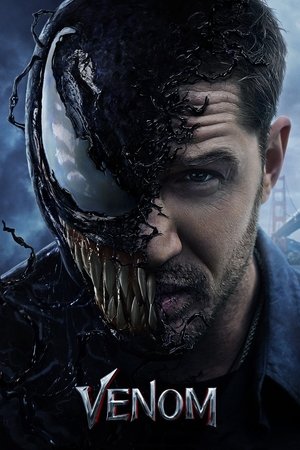
The Venom film series centers on the Marvel Comics character of the same name, exploring a different corner of the superhero genre by focusing on an antihero born from an alien symbiote. The narrative revolves around the complex and often comedic relationship between a human host and the parasitic entity that grants him extraordinary abilities, setting it apart from traditional hero origin stories.
The series is characterized by its darker, more monstrous visual aesthetic and a tone that blends body horror with buddy-comedy elements. It explores themes of duality, identity, and what it means to be a hero when one's power comes from a violent and predatory source. The internal conflict and banter between the host and the symbiote form the emotional and comedic core of the story.
As a standalone universe initially separate from larger Marvel cinematic continuities, the franchise carved out its own niche. It proved commercially successful by leaning into its unique premise and the star power of its lead actor, demonstrating a strong audience appetite for unconventional comic book adaptations that prioritize character-driven, symbiotic relationships over large-scale team-ups.

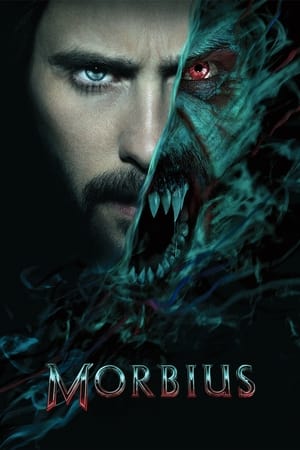
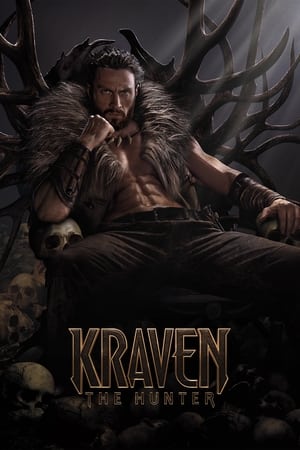
Sony's Spider-Man Universe is a media franchise and shared universe centered on a collection of Marvel Comics characters associated with Spider-Man, produced by Sony Pictures. The series was conceived as a way to build a cinematic universe around the supporting characters and adversaries from the Spider-Man mythos, without the direct involvement of the titular hero in its early phases. It draws heavily from decades of comic book lore, particularly the rich history of iconic antiheroes and villains like Venom, Morbius, and Kraven the Hunter. The franchise explores darker, more morally complex corners of the Marvel universe, focusing on characters who operate outside the conventional hero-villain binary and often grapple with internal conflicts, monstrous transformations, and the blurred lines between good and evil.
At its core, the saga examines themes of symbiosis, identity, and redemption, drawing from the legacy of characters who merge with alien entities or embrace their monstrous sides. The narrative tradition emphasizes survival and the struggle to maintain humanity in the face of overwhelming power, evolving tales of pure antagonism into nuanced explorations of reluctant protectors. The franchise began with the commercially successful 'Venom' (2018), which established a tone of visceral action and character-driven drama, and has since expanded to include other standalone stories that prioritize high-stakes action and a distinct visual style.
Over time, these characters have transcended the printed page to become cultural touchstones, resonating with audiences through raw emotional intensity. The franchise leverages this appeal by crafting cinematic experiences that, while interconnected, largely function as standalone narratives. By focusing on underexplored corners of the Marvel universe, it has carved out a unique space in modern blockbuster cinema, proving that antiheroes and monster-driven narratives can captivate global audiences. The series has seen both critical and commercial variability, yet it continues to evolve, with each entry contributing to a broader tapestry of morally ambiguous storytelling within the superhero genre.