📺 Georgie & Mandy's First Marriage (2024)
Part of The Big Bang Theory Franchise
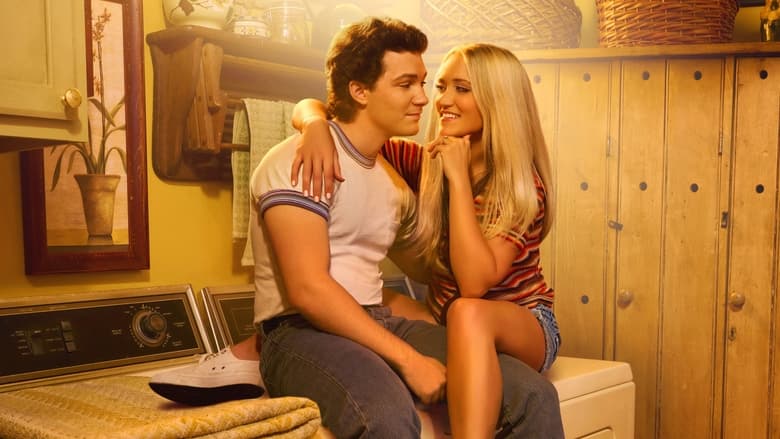
Stepping out of the shadow of his brilliant younger brother, Georgie Cooper finally gets his own spotlight in Georgie & Mandy's First Marriage. Serving as a direct narrative sequel to Young Sheldon, this CBS sitcom transports viewers back to the mid-1990s, following the titular couple as they navigate the messy, hilarious realities of early adulthood. Montana Jordan and Emily Osment reprise their roles from the prequel, bringing a fresh dynamic to the Cooper-McAllister household. Unlike the nostalgic, child-centric perspective of its predecessor, this series dives headfirst into the financial struggles, generational clashes, and domestic chaos of raising a toddler while living under the same roof as Mandy’s overbearing parents.
Created by the legendary Chuck Lorre alongside Steven Molaro and Steve Holland, the show leans heavily into the classic multi-camera sitcom format that defined The Big Bang Theory era. The series distinguishes itself by embracing a more grounded, working-class Texas setting, trading the Pasadena tech scene for the grease-stained floors of an auto repair shop. While it maintains the franchise’s signature laugh-track warmth, it also tackles the genuine friction of an eleven-year age gap and the pressure of young parenthood. Early audiences and critics have praised Jordan and Osment’s chemistry, noting that the show successfully carves out its own identity while honoring the lore established over seven seasons of Young Sheldon.
The series’ strong premiere performance quickly led to a second-season renewal, with a third season already greenlit, signaling CBS’s confidence in the spin-off’s longevity. As the franchise continues to expand its timeline, Georgie & Mandy's First Marriage stands as a testament to the enduring appeal of the Cooper universe. By focusing on the often-overlooked older brother and his fiercely independent wife, the show proves that life after high school is just as complicated, and just as funny, as life before it.
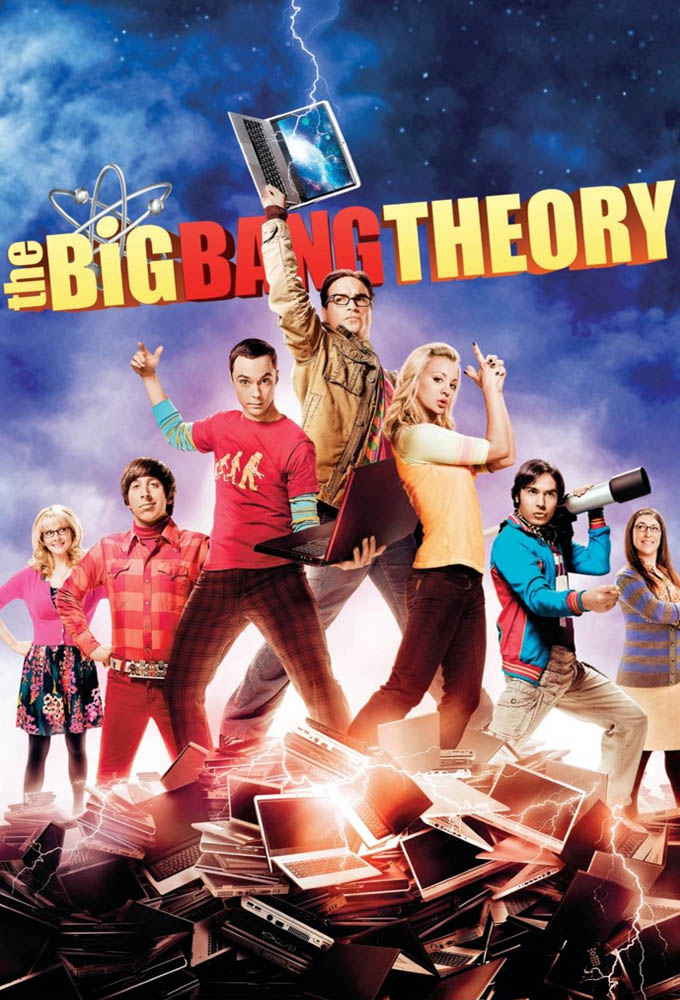
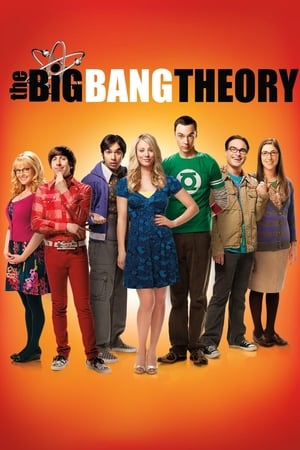
The Big Bang Theory franchise is a television universe that began with the eponymous sitcom in 2007, centered on a group of socially awkward scientists and their neighbor. The original series became a cultural phenomenon, popularizing geek culture and running for twelve successful seasons. Its blend of scientific humor, comic book references, and heartfelt character dynamics earned it a massive global audience and numerous accolades, making phrases like 'Bazinga!' part of everyday speech. The show's success demonstrated a mainstream appetite for stories about intellectual outsiders, paving the way for a broader narrative expansion.
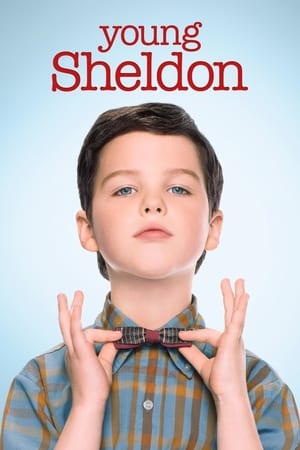
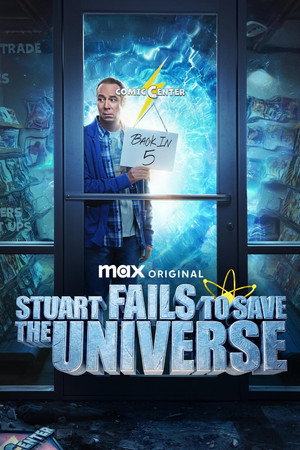
The franchise grew significantly with the prequel series Young Sheldon, which adopted a single-camera dramedy format to explore the childhood of the original show's most iconic character, Sheldon Cooper. Set in late-1980s Texas, it delves into family dynamics and the challenges of raising a gifted child, enriching the backstory established in the flagship series. This expansion continued with Georgie & Mandy's First Marriage, focusing on the early relationship of Sheldon's older brother, and the upcoming Stuart Fails to Save the Universe, which follows the comic book store owner. These interconnected stories create a multi-generational tapestry that examines intelligence, family, and personal growth from different angles and tones.
What distinguishes this collection is its ability to shift between formats and genres while maintaining a cohesive world. The transition from a multi-camera sitcom to a single-camera family dramedy, and the focus on supporting characters in their own narratives, showcases a flexible approach to storytelling. By moving backward and forward in time, the series collectively explores themes of belonging, ambition, and the long journey to finding one's community. It treats all its characters, from a child prodigy to a struggling artist, with equal narrative weight, suggesting that every life in this universe holds a compelling story.
The franchise's legacy lies in its successful transformation of niche interests into broadly appealing entertainment. It not only made theoretical physics and comic book culture accessible but also demonstrated how a sitcom universe can expand thoughtfully across decades and formats. Through its various entries, it has built a detailed portrait of interconnected lives, proving that intellectual pursuits and emotional vulnerability can coexist as the foundation for enduring comedy and drama.