📺 The Big Bang Theory (2007)
Part of The Big Bang Theory Franchise
The Big Bang Theory is a landmark American sitcom that transformed geek culture into mainstream entertainment over its twelve-season run on CBS. Created by Chuck Lorre and Bill Prady, the series began by focusing on the awkward social dynamics between brilliant but socially inept physicists Leonard Hofstadter and Sheldon Cooper, and their outgoing, street-smart neighbor Penny. The show's unique blend of high-IQ scientific jargon, comic book references, and classic sitcom relationship humor quickly found an audience, growing from a modestly rated first season into one of the most-watched comedies on television.
The ensemble cast, led by Jim Parsons's Emmy-winning portrayal of the eccentric, obsessive-compulsive Sheldon Cooper, became a cultural phenomenon. The series expanded its core group to include Howard Wolowitz, Raj Koothrappali, and later, neurobiologist Amy Farrah Fowler and microbiologist Bernadette Rostenkowski, creating a tight-knit family of lovable misfits. Filmed in front of a live studio audience, the show was praised for its sharp writing and the cast's impeccable comic timing, earning numerous accolades including ten Emmy Awards from over fifty nominations.
The show's legacy extends beyond its own record-breaking finale, which was watched by 18 million viewers. Its success directly spawned the prequel spin-off series Young Sheldon, which explores the title character's childhood in East Texas, and later, a sequel series focusing on the married life of Sheldon and Amy. The Big Bang Theory remains a defining sitcom of the 21st century, celebrated for making science cool and for proving that the smartest people in the room can also be the funniest.
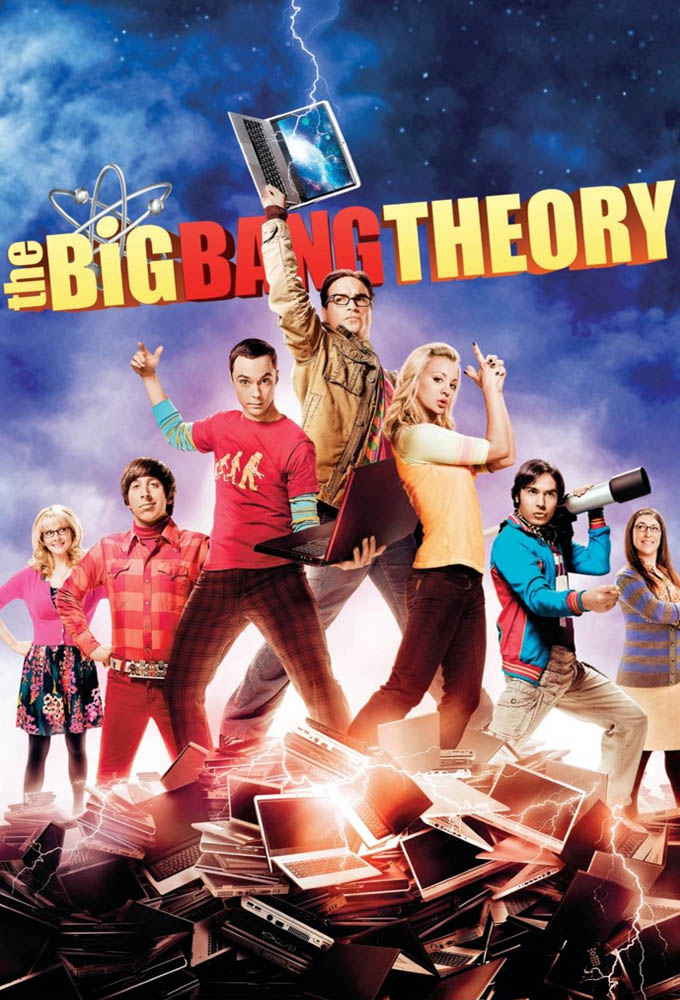
The Big Bang Theory franchise is a television universe that began with the eponymous sitcom in 2007, centered on a group of socially awkward scientists and their neighbor. The original series became a cultural phenomenon, popularizing geek culture and running for twelve successful seasons. Its blend of scientific humor, comic book references, and heartfelt character dynamics earned it a massive global audience and numerous accolades, making phrases like 'Bazinga!' part of everyday speech. The show's success demonstrated a mainstream appetite for stories about intellectual outsiders, paving the way for a broader narrative expansion.
The franchise grew significantly with the prequel series Young Sheldon, which adopted a single-camera dramedy format to explore the childhood of the original show's most iconic character, Sheldon Cooper. Set in late-1980s Texas, it delves into family dynamics and the challenges of raising a gifted child, enriching the backstory established in the flagship series. This expansion continued with Georgie & Mandy's First Marriage, focusing on the early relationship of Sheldon's older brother, and the upcoming Stuart Fails to Save the Universe, which follows the comic book store owner. These interconnected stories create a multi-generational tapestry that examines intelligence, family, and personal growth from different angles and tones.
What distinguishes this collection is its ability to shift between formats and genres while maintaining a cohesive world. The transition from a multi-camera sitcom to a single-camera family dramedy, and the focus on supporting characters in their own narratives, showcases a flexible approach to storytelling. By moving backward and forward in time, the series collectively explores themes of belonging, ambition, and the long journey to finding one's community. It treats all its characters, from a child prodigy to a struggling artist, with equal narrative weight, suggesting that every life in this universe holds a compelling story.
The franchise's legacy lies in its successful transformation of niche interests into broadly appealing entertainment. It not only made theoretical physics and comic book culture accessible but also demonstrated how a sitcom universe can expand thoughtfully across decades and formats. Through its various entries, it has built a detailed portrait of interconnected lives, proving that intellectual pursuits and emotional vulnerability can coexist as the foundation for enduring comedy and drama.