🎬 The Lego Ninjago Movie (2017)
Part of Lego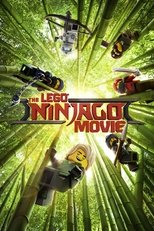
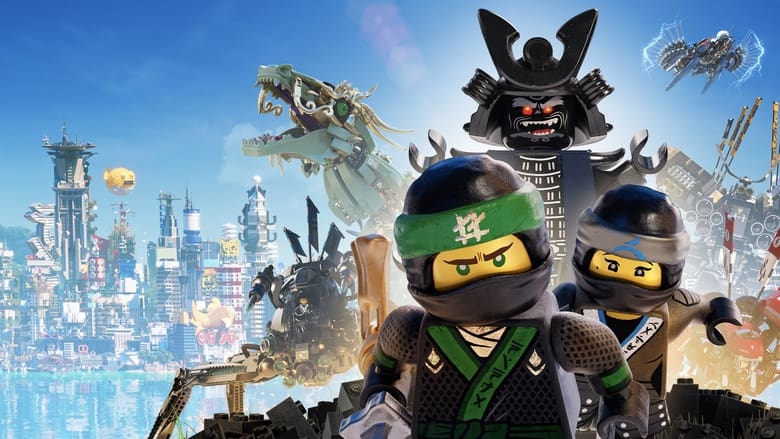
The Lego Ninjago Movie, released in 2017, is a theatrical spin-off that reimagines the beloved Lego Ninjago toy line and television series within the comedic, self-aware style of The Lego Movie franchise. While the core elements remain—a team of teenage ninjas led by the Green Ninja, Lloyd Garmadon, battling his evil warlord father—the film takes significant creative liberties, crafting a standalone story with a distinct tone and a new voice cast, including Dave Franco as Lloyd and Justin Theroux as Lord Garmadon.
The film stands apart from the long-running Ninjago television series by functioning as a separate, parallel universe story. It incorporates the franchise's signature meta-humor, blending the animated Lego world with a live-action framing device featuring Jackie Chan, who also voices Master Wu. This approach allowed the filmmakers to explore the father-son dynamic between Lloyd and Garmadon with a heightened emotional arc, while delivering the kinetic, brick-based action sequences that define the Lego cinematic universe.
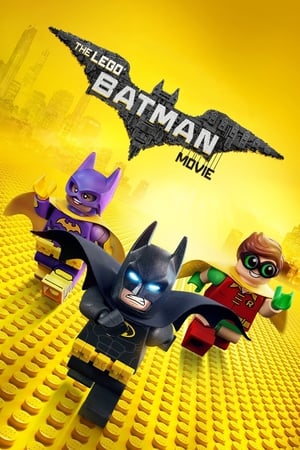
As the third installment in The Lego Movie franchise and its second spin-off, The Lego Ninjago Movie arrived after the critical and commercial success of The Lego Movie and The Lego Batman Movie. Although it received a more mixed reception compared to its predecessors, the film was praised for its vibrant animation, energetic voice performances, and its heartfelt, if familiar, story about family and self-acceptance. It remains a unique entry in the Lego filmography, translating a toy line that was already a multimedia phenomenon into a big-screen adventure.

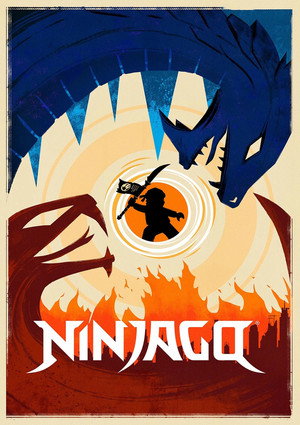
Lego Ninjago is a construction toy theme created by The Lego Group and launched in January 2011. It was conceived as a "Big Bang" product line with an intended three-year lifespan, but its phenomenal commercial success led to it becoming one of Lego's longest-running and most successful original themes. The theme was developed by a team of concept designers at Lego, with the story and world-building crafted by writers Dan and Kevin Hageman, who also helped shape the accompanying animated series.
The theme is centered on a fictional world inspired by martial arts lore, ninja mythology, and Eastern fantasy. It follows a group of teenage ninja known as Elemental Masters, each wielding a unique elemental power (such as fire, ice, earth, and lightning), who are trained in the fictional martial art of Spinjitzu by their wise mentor, Master Wu. The toy line features detailed construction sets including vehicles, dragons, temples, and fortresses, along with collectible minifigures representing heroes, villains, and mythical creatures.
Lego Ninjago's innovative blend of physical construction play with a deep, serialized narrative universe set it apart from previous Lego themes. The line expanded into a multimedia franchise encompassing animated television series, video games, books, theme park attractions, and a theatrical film. Its cultural impact is significant, having introduced millions of children worldwide to its characters and lore, and it remains a flagship brand for The Lego Group, continuing to release new waves of sets and media content well into its second decade.
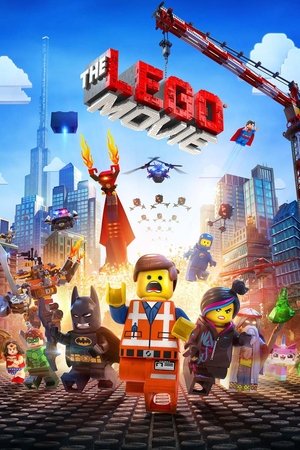
This animated media collection brings the iconic construction toy brand to life through a series of theatrically released films that share a distinctive visual style and self-aware comedic tone. Originating with a critically acclaimed and commercially successful debut in 2014, the grouping quickly established itself as a clever, fast-paced adventure that blends brick-based animation with sharp, meta-humor. The films are built on a foundation of creative storytelling that celebrates individuality, teamwork, and the limitless potential of imagination, all rendered in a unique CGI style that mimics stop-motion and the physical constraints of Lego bricks. While the entries share a universe, they vary in focus—from the original's ensemble cast to character-driven spin-offs—creating a loosely connected series rather than a tightly serialized saga. The collection is anchored by the core theatrical films, which include a direct sequel and two spin-off features, each exploring different corners of the Lego multiverse. At its core, the series explores themes of creativity versus conformity, encouraging audiences of all ages to embrace their unique perspectives. The narrative style often features meta-commentary and playful critiques of modern mass culture, while maintaining a heartfelt message about believing in oneself and the value of collaboration. By transforming everyday building blocks into dynamic characters and sprawling landscapes, the collection captures the nostalgic joy of play while delivering sophisticated animation and witty dialogue. Culturally, the collection has left a notable mark on popular entertainment, demonstrating the viability of toy-based intellectual properties when approached with genuine artistic vision and emotional depth. Its success spawned video games, theme park attractions, television series, and short films, though the theatrical grouping itself remains a focused set of four features. The films are celebrated for their vibrant visuals, memorable catchphrases, and an enduring celebration of creative play that resonates with both children and adults.