📺 The Boys Presents: Diabolical (2022)
Part of The Boys Franchise
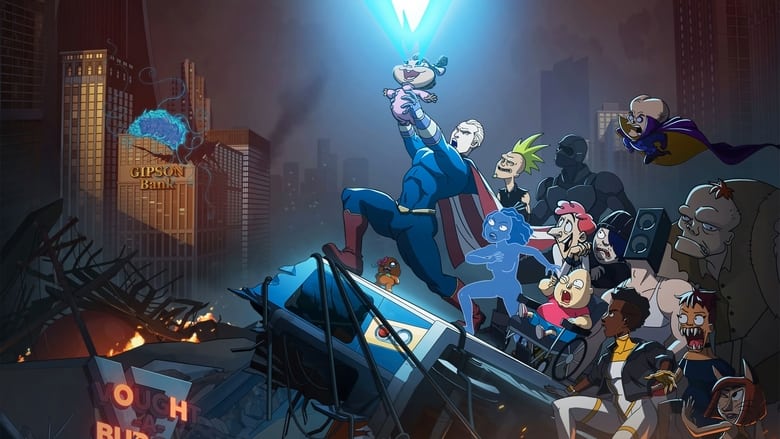
A frenetic and gleefully unhinged expansion of the franchise, "The Boys Presents: Diabolical" throws the rulebook out the window by embracing the anthology format. Rather than a direct adaptation of a specific comic arc, the series functions as a narrative playground set within the television show's established universe, allowing creators to explore the dark corners of Vought International's world without the constraints of the main series' continuity. Each of the eight shorts boasts a distinct visual identity, from the rubber-hose cartoon chaos of a laser-eyed baby in "Laser Baby's Day Out" to the gritty, anime-inspired pathos of "One Plus One Equals Two," which delves into the tragic origin of Homelander. This stylistic freedom lets the show oscillate wildly between gut-busting absurdity and genuinely poignant character studies, capturing the source material's satirical spirit in a way a straightforward adaptation could not.
The series is notable for directly bridging the gap between the original comic's creator, Garth Ennis, and the television adaptation's creative team. Ennis himself penned the episode "I'm Your Pusher," a segment that feels ripped directly from the pages of the comic, featuring a tone and level of depravity that aligns perfectly with his original vision. This episode, which sees a drug dealer forced to supply a Supe with a deadly fix, channels the comic's specific brand of cynical, grotesque humor more faithfully than the live-action series often can. Meanwhile, other episodes like "BFFs" introduce new, instantly memorable characters whose tragicomic fates serve as a microcosm for the entire franchise's thesis: that absolute power corrupts absolutely, and often in the most ridiculous ways imaginable.
Critically, "Diabolical" was praised for its ability to stand on its own while enriching the larger mythology. The voice cast is a major draw, with live-action stars like Antony Starr, Dominique McElligott, and Giancarlo Esposito slipping back into their roles with venomous ease, lending weight to the animated antics. However, the show also attracts an eclectic mix of A-list talent, including Awkwafina, Michael Cera, and Don Cheadle, who dive into the material with palpable enthusiasm. The anthology structure means the quality varies slightly by episode, but the overall package is a creative triumph, demonstrating how a spin-off can honor its source material—both the original comics and the hit TV show—by daring to be completely, diabolically different.

The Boys is an American comic book series written by Garth Ennis and illustrated by Darick Robertson. It was first published by WildStorm Productions, an imprint of DC Comics, in 2006 before moving to Dynamite Entertainment after the first six issues due to content concerns. The series ran for 72 issues, concluding in 2012. Set in a world where superheroes exist and are largely controlled by the powerful corporation Vought International, the story follows a CIA-backed black ops team known as 'The Boys,' led by the ruthless Billy Butcher. Their mission is to monitor, police, and, when necessary, violently take down corrupt and out-of-control 'Supes.' The comic is renowned for its extreme violence, dark satire, and unflinching critique of celebrity culture, corporate greed, and the military-industrial complex, deconstructing the superhero genre by imagining what would happen if beings with god-like power were subject to no real accountability.

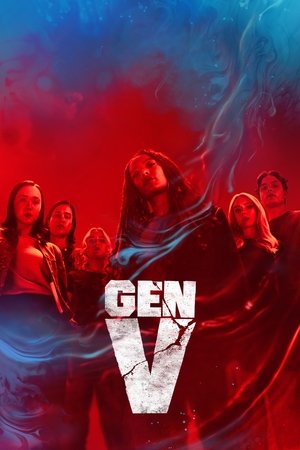
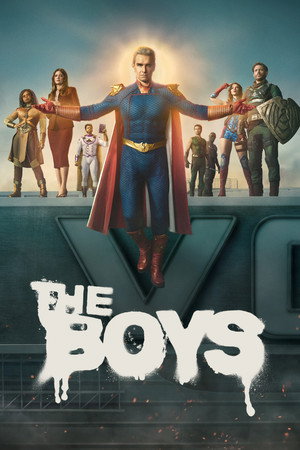
The Boys is a transmedia collection that originated from the comic book series by Garth Ennis and Darick Robertson, later adapted into a live-action television universe developed by Eric Kripke. The collection presents a darkly satirical take on the superhero genre, envisioning a world where superpowered individuals, known as 'Supes,' are corporate-managed celebrities rather than altruistic protectors. Central to its narrative is the conflict between the titular vigilante group, led by Billy Butcher, and the corrupt superheroes of Vought International, most notably the unstable and terrifying Homelander. The collection explores themes of unchecked power, media manipulation, political corruption, and the commodification of trauma, using extreme violence and pitch-black humor to deconstruct the very concept of heroism. Its cultural significance lies in its timely critique of celebrity worship and institutional failure, offering a visceral antidote to sanitized, corporate-driven superhero narratives that dominate global pop culture. The live-action series quickly gained acclaim for its sharp writing and fearless social commentary, establishing a distinct identity that balances shocking spectacle with poignant character studies. The narrative universe has since expanded through interconnected stories that deepen its mythology while maintaining its satirical edge. The animated anthology series *The Boys Presents: Diabolical* broadens the scope with varied artistic styles, revealing the collateral damage of Compound-V across different timelines. The college-set spin-off *Gen V* shifts focus to a younger generation of Supes, exploring indoctrination and the manufacturing of celebrity heroes through a bloody, coming-of-age mystery. An upcoming prequel, *Vought Rising*, aims to explore the company's mid-century origins, further enriching the collection's history. Through these expansions, The Boys has evolved into a cohesive and incisive body of work that refuses easy moral binaries, consistently challenging audiences to question the line between hero and monster in a world where image is everything.