📺 Stargate Universe (2009)
Part of Stargate Franchise
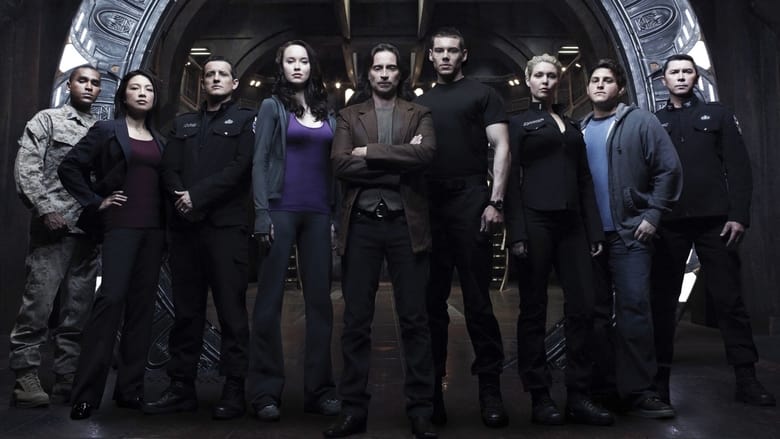
Stargate Universe, often abbreviated as SGU, represents a bold and darker departure from the established formula of the Stargate television franchise. Created by Brad Wright and Robert C. Cooper, the series strands a group of soldiers, scientists, and civilians aboard the Ancient vessel Destiny, billions of light-years from Earth with no way to control their course. Unlike the more episodic, team-based adventures of its predecessors, SGU adopted a serialized storytelling approach heavily focused on character drama, survival, and the claustrophobic tension of being trapped on a decaying ship in uncharted space. The show utilized a distinctive visual style, including shaky-cam cinematography and a more somber musical score, to emphasize the raw and desperate situation of its characters.
The series premiered on Syfy in October 2009 to initially strong ratings, driven by the built-in fanbase from Stargate SG-1 and Stargate Atlantis. The ensemble cast featured veteran genre actor Robert Carlyle as the brilliant but morally ambiguous Dr. Nicholas Rush, alongside Louis Ferreira, David Blue, and Brian J. Smith. A key narrative device was the use of Ancient communication stones, which allowed characters to swap consciousness with people back on Earth, providing a secondary storyline that explored the consequences of their disappearance on their loved ones and the political fallout at Stargate Command.
Despite a creative resurgence and critical praise for its ambitious tone in the second season, viewership declined significantly. The shift away from the lighter, more humorous tone of the franchise alienated a portion of the core audience, while the move to a serialized format made it difficult for new viewers to jump in mid-season. Syfy canceled the series in December 2010, and the second season concluded in March 2011 on a major cliffhanger, leaving the crew of the Destiny entering a long period of stasis between galaxies with an uncertain fate.
Though short-lived, Stargate Universe has undergone a critical reevaluation in the years since its cancellation, with many praising its ahead-of-its-time approach to serialized sci-fi drama. The story was later continued in a comic book series published by American Mythology Productions, which picked up directly after the season two finale, though it was produced without the direct involvement of the original creators. SGU remains a fascinating 'what-if' in television history, a show that dared to deconstruct its own franchise's mythology in search of a more mature identity.

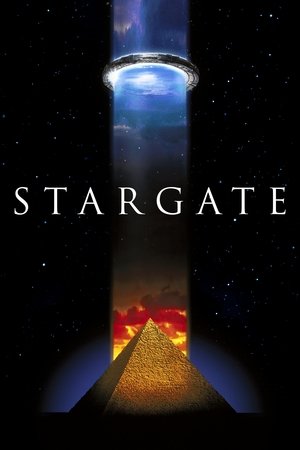
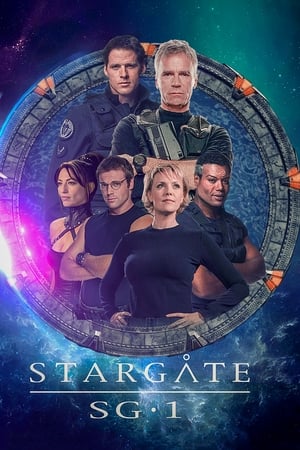
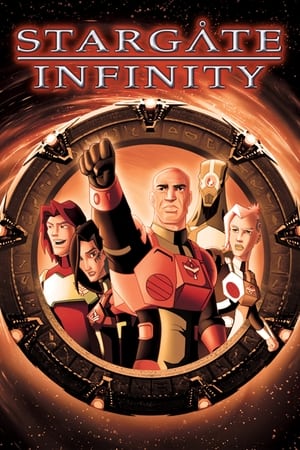
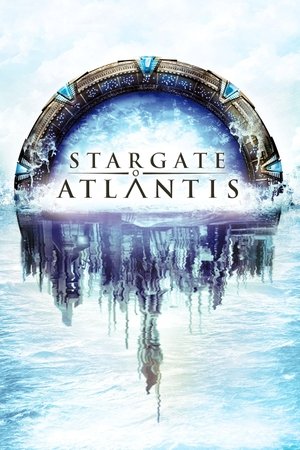
The Stargate franchise is a science fiction media collection built upon the premise of an ancient network of ring-shaped portals that enable instantaneous travel across the universe. Originating with Roland Emmerich's 1994 film, the core concept reimagines Earth's ancient mythologies as the result of encounters with advanced alien civilizations, most notably the parasitic Goa'uld who posed as gods. This foundational idea of a hidden, galaxy-spanning transit system provided a versatile framework for exploring themes of exploration, military ethics, and the intersection of archaeology and speculative science. The franchise's true expansion occurred on television, where it evolved into a rich, interconnected tapestry of series that maintained a shared continuity while each exploring distinct corners of the lore. The collection encompasses live-action television, direct-to-video films, and animated series, creating a cohesive universe that has engaged audiences for decades. Its narrative scope ranges from the immediate defense of Earth to the political complexities of interstellar diplomacy and the philosophical implications of ascension to a higher plane of existence. The Stargate collection is characterized by its optimistic tone, blending action-adventure with self-aware humor and a consistent emphasis on scientific curiosity and ethical responsibility, which has fostered a dedicated global fanbase and a lasting legacy in science fiction storytelling.