🎬 Fantastic Beasts: A Natural History (2022)
Based on myths/legends
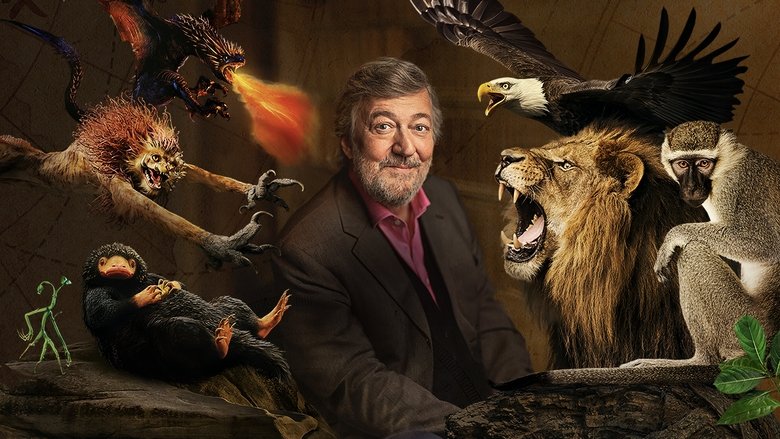
Fantastic Beasts: A Natural History is a 2022 BBC documentary presented by Stephen Fry that embarks on a globe-trotting exploration of the real-world myths, legends, and animals that inspired the magical creatures of the Wizarding World. Produced by the BBC Studios Natural History Unit in collaboration with Warner Bros., the film was first broadcast on BBC One on 27 February 2022 and runs just under an hour. Fry, with his characteristic erudition and warmth, guides viewers through natural history museums, fossil sites, and wildlife habitats, drawing connections between creatures of folklore — dragons, unicorns, mermaids, and more — and the real animals that may have sparked their invention.
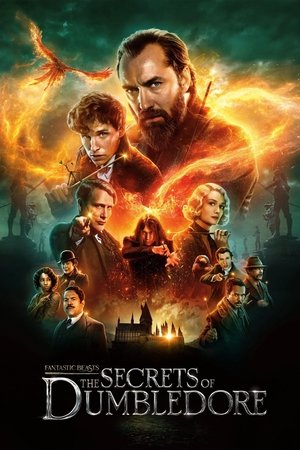
The documentary features an exclusive interview with J.K. Rowling, who reflects on how she drew from centuries of mythology when populating her magical universe with creatures like the Niffler, Bowtruckle, and Occamy. Computer graphics designers and creature creators from the Fantastic Beasts films also appear, explaining how they looked to nature for inspiration when bringing Rowling's imagined beasts to life on screen. The film was produced in tandem with the Natural History Museum's exhibition Fantastic Beasts: The Wonder of Nature, which ran in London and toured internationally, further cementing the link between scientific discovery and mythical imagination.
What sets A Natural History apart from a typical behind-the-scenes featurette is its genuine commitment to natural history. Fry digs for dragon bones (examining how dinosaur fossils may have seeded dragon myths), swims with manatees (the likely origin of mermaid legends), and meets the distant relatives of unicorns. The documentary argues that every creature ever dreamed up by humanity has its roots somewhere in the natural world — that imagination itself is an extension of nature, not a departure from it. It is a thoughtful, beautifully shot meditation on why, even in an age of science and technology, we remain enchanted by the fantastic.

Myths, legends, and folklore represent humanity's oldest storytelling traditions, passed down through countless generations across every culture on Earth. These traditional narratives feature a vast menagerie of fantastic beasts — dragons, unicorns, mermaids, griffins, centaurs, phoenixes, and sea serpents — that have captivated the human imagination for millennia. Rooted in oral tradition and later preserved in texts ranging from ancient Mesopotamian tablets and Greek bestiaries to medieval European manuscripts and Asian scrolls, these creatures often served as explanations for natural phenomena, moral allegories, or embodiments of cultural fears and aspirations. Many mythical beasts were likely inspired by real animals encountered by ancient peoples — fossilized dinosaur bones giving rise to dragon legends, narwhal tusks traded as unicorn horns, manatees mistaken for mermaids by weary sailors — blurring the line between imagination and observation. This rich tapestry of global mythology continues to inspire literature, art, and film, forming a collective cultural inheritance that belongs to no single author, era, or civilization.