🎬 Ultimate Avengers 2 (2006)
Part of Ultimate Avengers
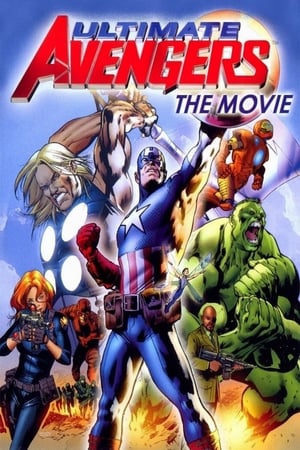
Ultimate Avengers 2, also known as Ultimate Avengers 2: Rise of the Panther, is a 2006 direct-to-video animated film produced by Marvel Animation and Lionsgate. It is the second installment in the Ultimate Avengers Collection and a direct sequel to Ultimate Avengers: The Movie. Both films are loosely based on The Ultimates, the acclaimed comic book series by Mark Millar and Bryan Hitch that reimagined the Avengers for the 21st century.
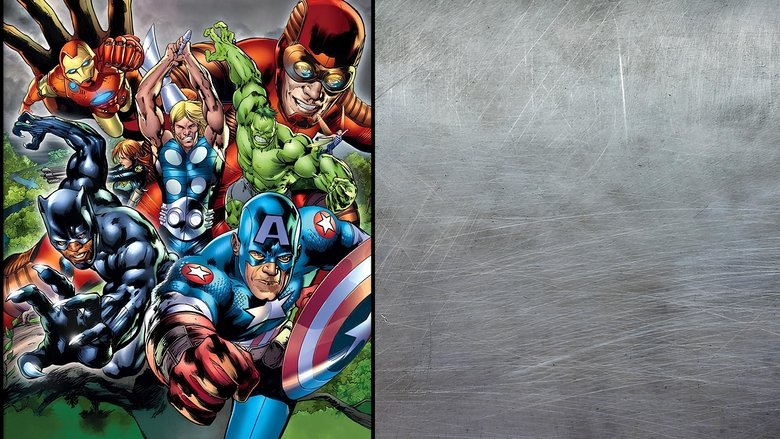
The story picks up after the events of the first film, with the team facing a new threat in the form of an alien invasion by the Chitauri, led by the shape-shifting Kleiser. The film also introduces the Black Panther, T'Challa, whose father was killed by Kleiser, adding a personal revenge arc to the global stakes. Captain America struggles to adapt to the modern world while leading the team into battle once again.
While the film borrows characters and concepts from The Ultimates, it diverges significantly from the comic's plotlines, particularly in its handling of the Chitauri invasion and the introduction of Black Panther. The animation style continues the first film's approach, aiming for a mature, action-driven tone with a PG-13 rating. Voice actors include Justin Gross as Captain America and Jeffrey D. Sams as Black Panther.
Ultimate Avengers 2 helped cement Marvel's early direct-to-video animated universe, paving the way for future animated features. Though not as widely discussed as the live-action Marvel Cinematic Universe, these films were early attempts to bring darker, more adult-oriented superhero storytelling to the screen, directly inspired by the Ultimate Marvel comics that would later influence the blockbuster Avengers films.

The Ultimates is a superhero comic book series published by Marvel Comics, created by writer Mark Millar and artist Bryan Hitch. It debuted in 2002 under Marvel's Ultimate imprint, which reimagined classic Marvel characters in a modern, more realistic setting. The series focuses on a government-sponsored team of superheroes assembled by Nick Fury to combat threats too large for conventional forces.
The team's core lineup includes updated versions of Captain America, Iron Man, Thor, Hulk, Wasp, and Giant-Man. The series is known for its widescreen cinematic style, decompressed storytelling, and a tone that blends superhero action with political thriller elements. It heavily influenced the visual and narrative direction of the Marvel Cinematic Universe, particularly the first Avengers film.
The Ultimates ran for two main volumes, with the first concluding in 2004. It was a critical and commercial success, praised for its mature take on superhero dynamics and its blockbuster-scale action sequences. The series remains one of the defining works of the Ultimate Marvel line and a landmark in modern superhero comics.
Ultimate Avengers is a direct-to-video animated duology produced by MLG Productions, a joint venture between Marvel Studios and Lions Gate Entertainment. The two films, released in 2006, are loosely based on the Ultimates comic book series by Mark Millar and Bryan Hitch, which reimagined the classic Avengers team in a modern, grittier context. They were the inaugural entries in the larger Marvel Animated Features line, a collection of eight animated superhero movies released between 2006 and 2011.
The duology presents an alternate version of the Marvel Universe where classic heroes like Captain America, Iron Man, Thor, and the Hulk are brought together by the espionage agency S.H.I.E.L.D. to combat threats too large for any single hero. The narrative draws heavily from the early 2000s comic book revival that sought to update these characters for a new generation, stripping away decades of convoluted continuity in favor of a streamlined, cinematic approach. Themes of teamwork, trust, and the burden of power are central to the story.
As the first entries in the Marvel Animated Features line, the Ultimate Avengers films helped establish a shared animated universe for Marvel's direct-to-video offerings. They arrived at a time when superhero animation was gaining significant traction, paving the way for more mature and serialized storytelling outside of Saturday morning cartoons. The films were noted for their action-oriented style and for introducing lesser-known characters to a wider audience.
This duology holds a notable place in Marvel's animation history as an early attempt to build a cohesive, interconnected world of heroes on screen before the live-action Marvel Cinematic Universe would perfect the formula. It demonstrated the viability of direct-to-video animated features based on comic book properties, a model that would be expanded upon by subsequent studios and franchises.