🎬 Santo and Blue Demon vs. Dr. Frankenstein (1974)
Part of El Santo
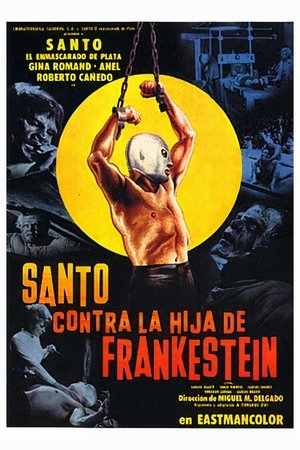
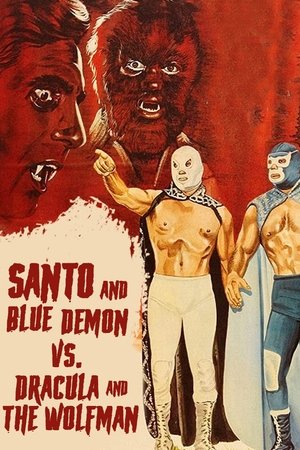
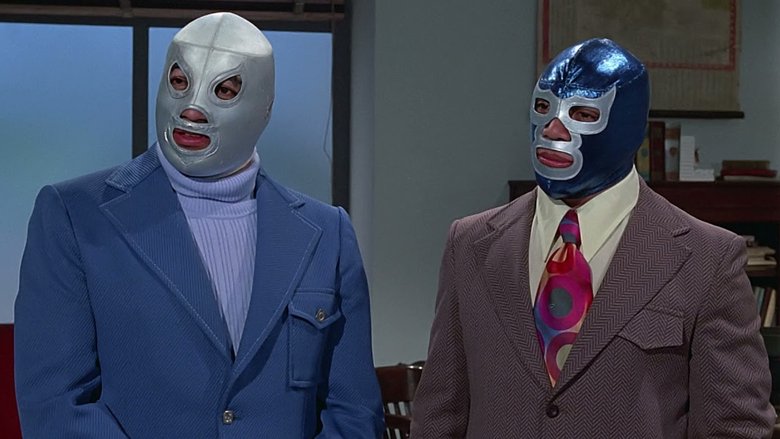
Santo and Blue Demon vs. Dr. Frankenstein is a 1974 Mexican superhero horror film directed by Miguel M. Delgado. It is part of the long-running series of luchador films starring the iconic masked wrestlers El Santo and Blue Demon, who team up to battle a mad scientist.
The plot follows the legendary Dr. Frankenstein, a descendant of the original, who is kidnapping young women to extract a chemical from their brains needed for his experiments in reanimation. He sets his sights on the daughter of a friend of Santo, prompting the silver-masked hero and his ally Blue Demon to intervene. The film blends gothic horror tropes with the signature lucha libre action sequences the series is known for, featuring the heroes using their wrestling prowess against the doctor's monstrous creations.
This entry is notable for its direct incorporation of classic Universal Monsters-style horror into the luchador film formula. It was one of several collaborations between Santo and Blue Demon, whose on-screen partnership was a major draw for audiences. The film was produced during the peak era of Mexican wrestling cinema and remains a cult favorite among fans of the genre for its campy charm and the bizarre spectacle of masked wrestlers fighting a Frankenstein monster.
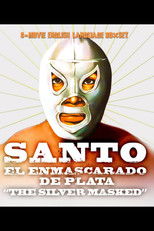
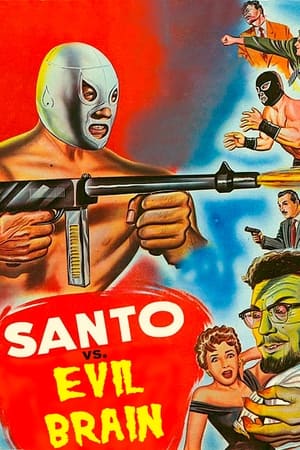
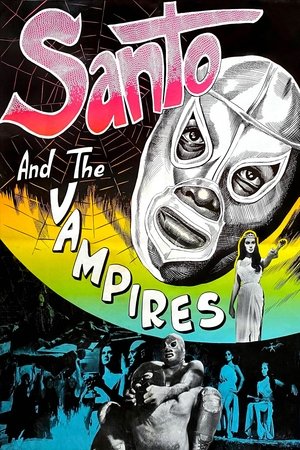
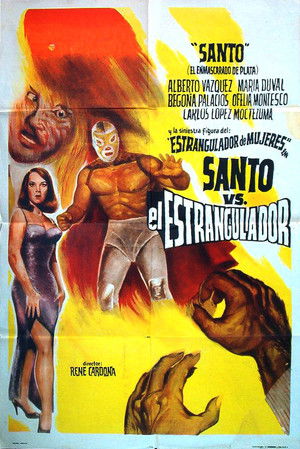
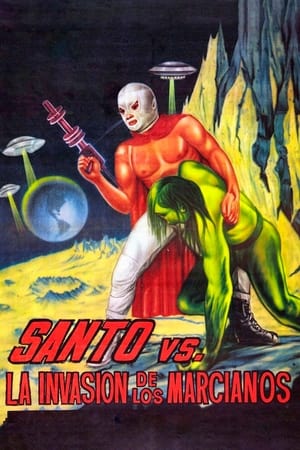
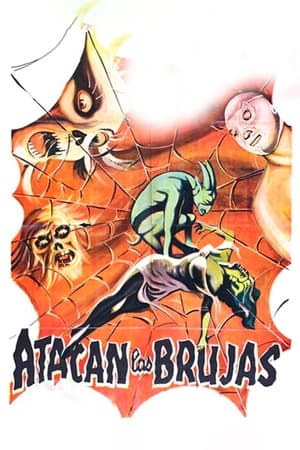
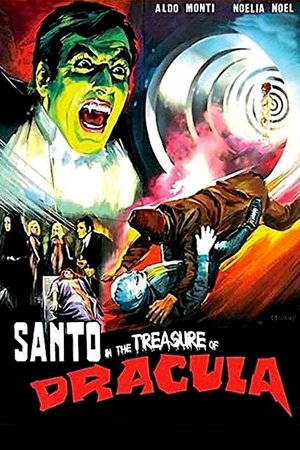
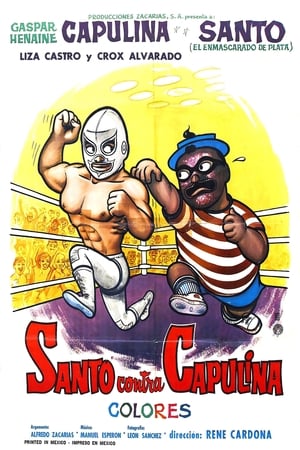
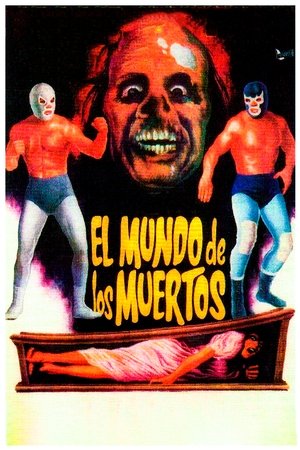
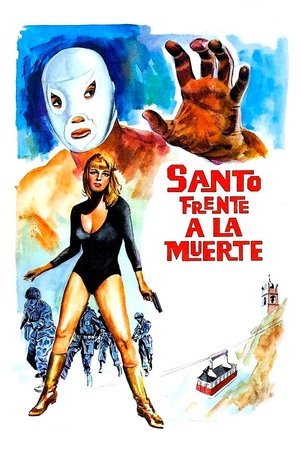
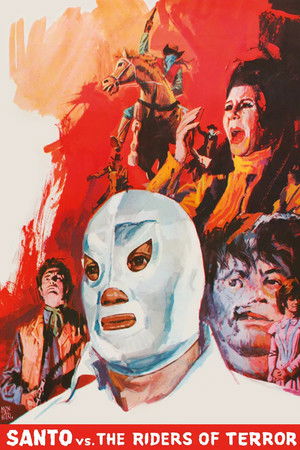
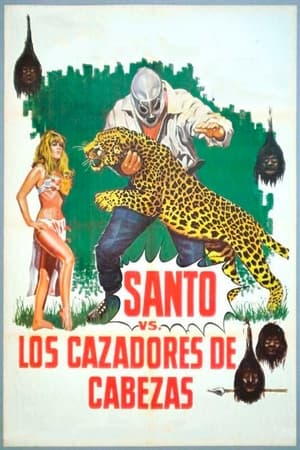
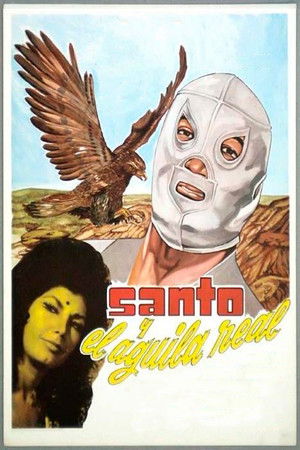
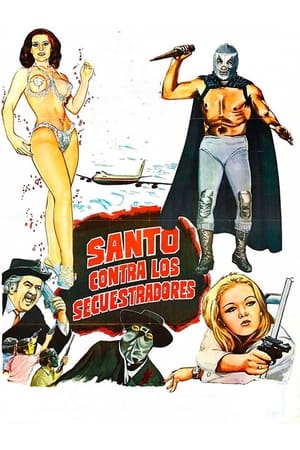
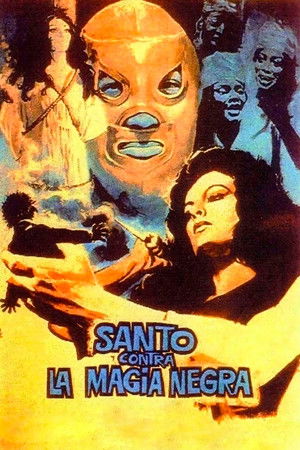
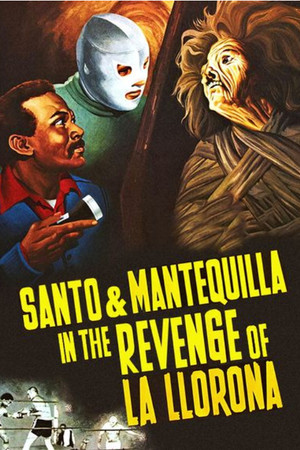
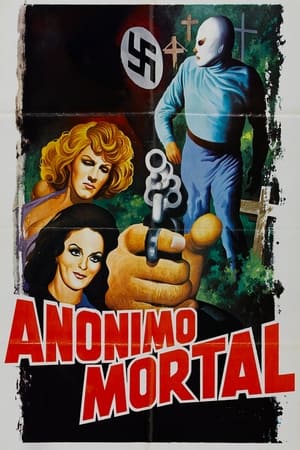
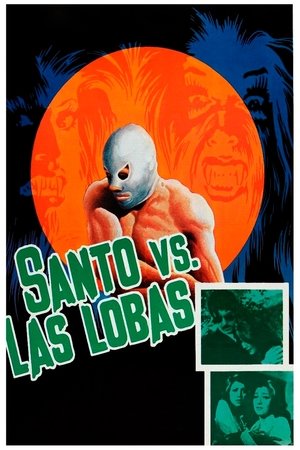
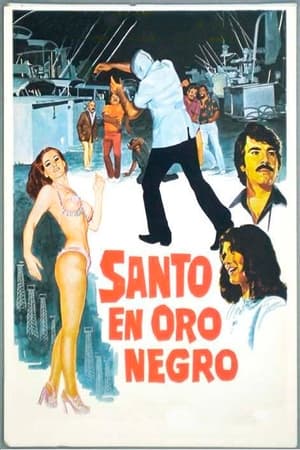
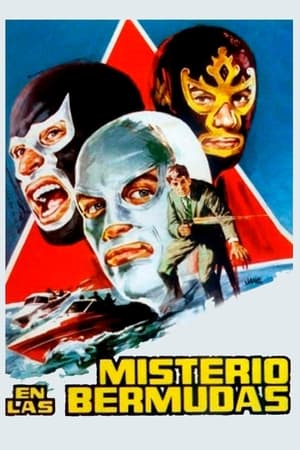
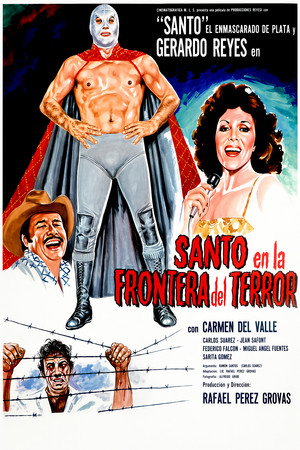
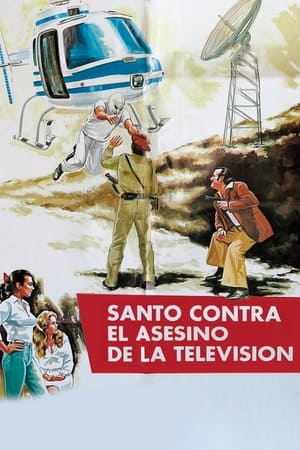
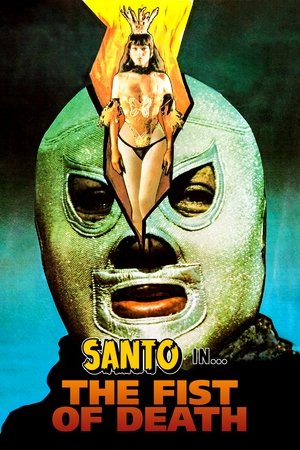
Few figures in cinema embody the seamless fusion of athletic prowess and mythic heroism quite like El Santo, the silver-masked icon whose filmography spans over five decades of Mexican popular culture. Born from the real-life legend of Rodolfo Guzmán Huerta, a luchador who never removed his mask in public, the Santo film series transformed a sports idol into a supernatural crusader against evil. These films, produced rapidly and enthusiastically from the late 1950s through the early 1980s, craft a universe where the wrestling ring is merely a training ground for far more dangerous arenas: mad scientists' laboratories, ancient crypts, and the lairs of diabolical masterminds. Santo moves through these worlds with a unique, stoic dignity, his silver mask gleaming in the shadows as he applies wrestling holds to vampires, zombies, and criminal kingpins with equal conviction.
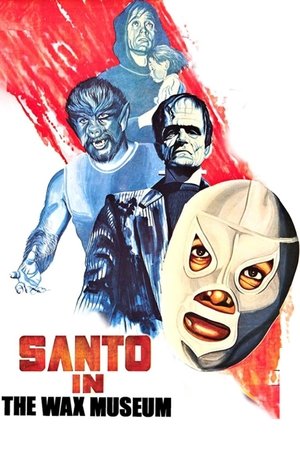
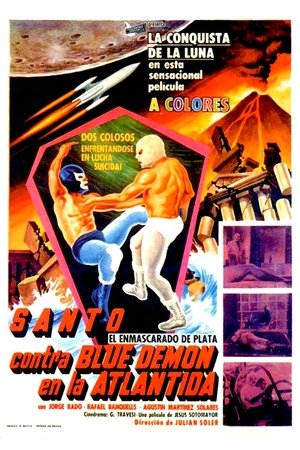
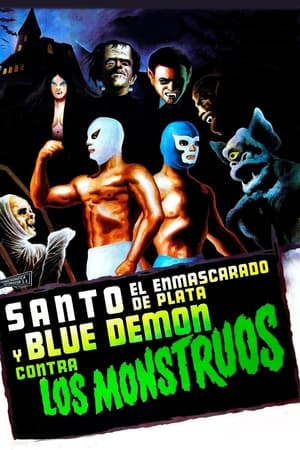
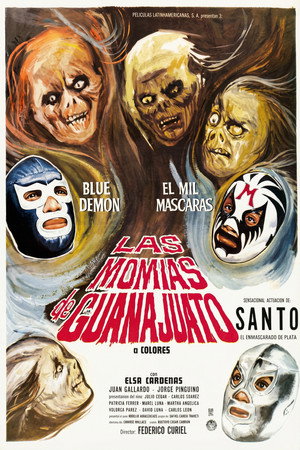
The series is a glorious, unapologetic tapestry of genre hybridization, blending gothic horror, spy thriller, and science fiction into a uniquely Mexican pulp aesthetic. One moment, Santo is a detective unraveling the schemes of the "King of Crime," and the next, he is battling an army of the undead or rescuing a damsel from a wax museum filled with murderous figures. The films rarely concern themselves with logical consistency, instead prioritizing atmosphere, action, and the unshakeable moral compass of their protagonist. This dreamlike quality is heightened by the frequent inclusion of Santo's real-life rivals-turned-allies, most notably the masked titans Blue Demon and Mil Máscaras. Their team-ups transform the films into proto-superhero crossovers, where the combined charisma and athleticism of these legendary luchadores create an unassailable force for good, their silent, masked faces radiating a power beyond dialogue.
Beyond their campy surface, the Santo films endure as a profound cultural monument to justice and national identity. In an era of rapid modernization and social change, El Santo represented an incorruptible, working-class champion whose strength was literal, moral, and symbolic. The mask, never removed, transcended the man to become a timeless symbol of righteousness. This cinematic legacy has inspired generations of artists, from comic book creators to filmmakers, who recognize in these low-budget adventures a pure, almost operatic form of storytelling. The collection is not merely a series of monster mashes; it is a heroic epic told in over fifty chapters, a testament to the enduring power of a folk hero who proved that the mightiest weapon against the forces of darkness is a perfectly executed flying tackle.