🎬 The Witches Attack (1968)
Part of El Santo
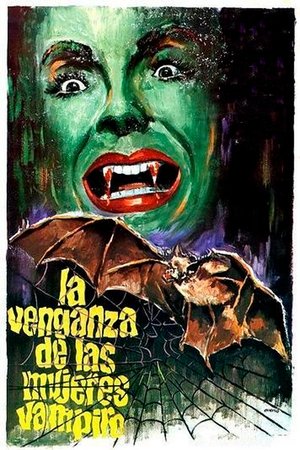
The Witches Attack (Atacan las brujas) is a 1968 Mexican horror film directed by José Díaz Morales, known for its distinct place in the wave of atmospheric gothic horror produced in Mexico during the 1960s. The film is a remake of the 1962 cult classic Santo vs. las Mujeres Vampiro, but with a crucial difference: it removes the iconic masked wrestler El Santo from the narrative entirely. Instead, the heroic male lead is a doctor or ordinary man who must rescue a woman from the clutches of a coven of evil witches.
The plot follows a young woman who is targeted by a powerful witch queen and her followers, who seek to sacrifice her to maintain their immortality and dark powers. The film retains the core structure of the original, including the gothic mansion setting, the hypnotic dance sequences, and the climactic battle against the supernatural coven. However, without the presence of El Santo, the film relies more heavily on traditional horror and suspense elements rather than the hybrid luchador-action style that defined the original.
Though far less famous than its predecessor, The Witches Attack is an interesting artifact of Mexican genre cinema, demonstrating how popular scripts were sometimes reworked to capitalize on trends. It features the same atmospheric black-and-white cinematography typical of the era and showcases the enduring appeal of the witch/vampire archetype in Latin American horror, even when stripped of its most famous hero.

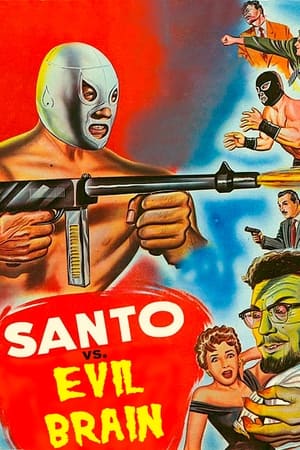
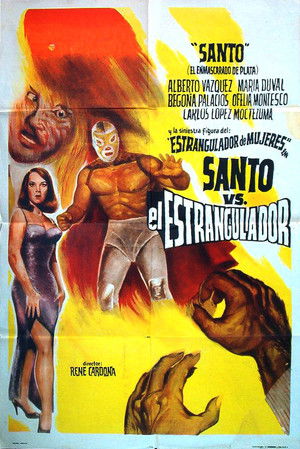
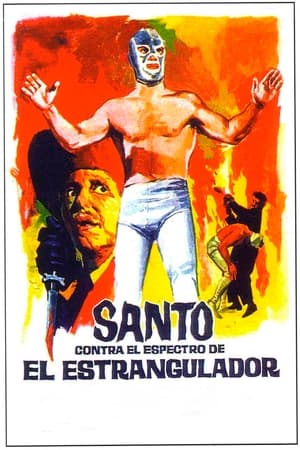
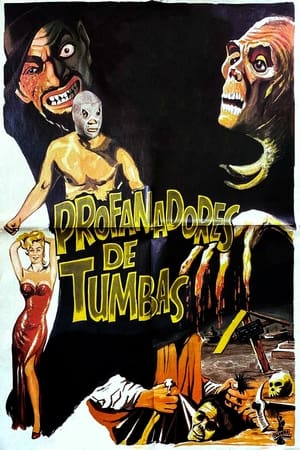
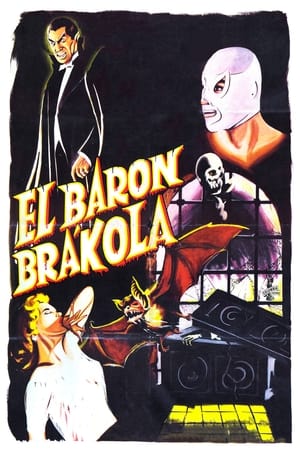
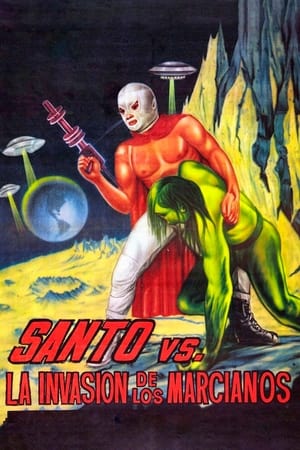
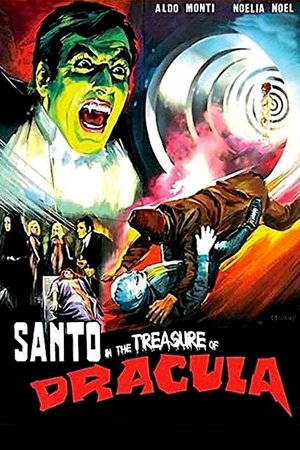
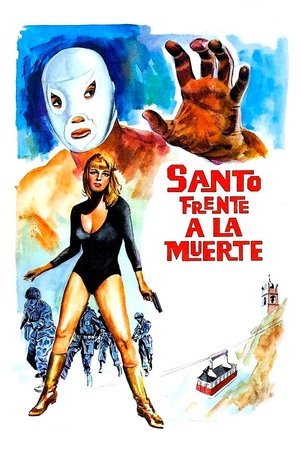
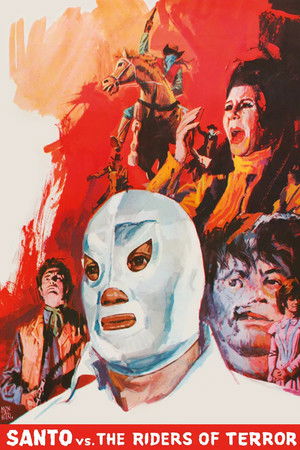
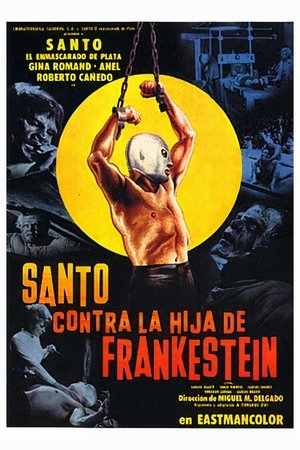
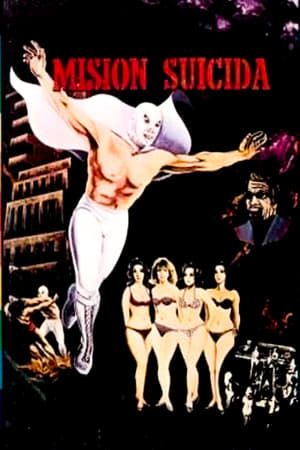
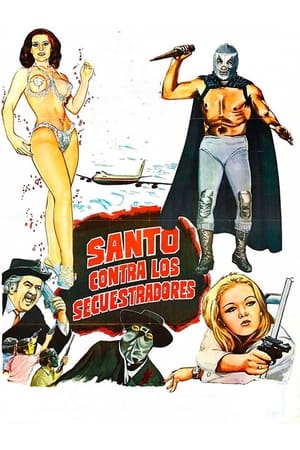
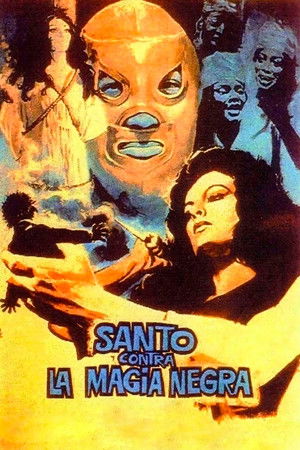
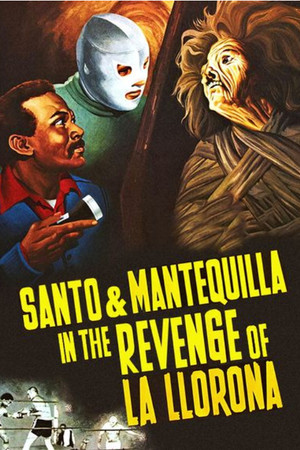
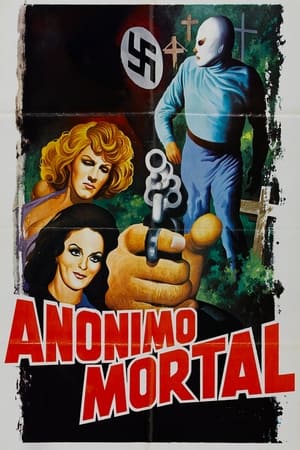
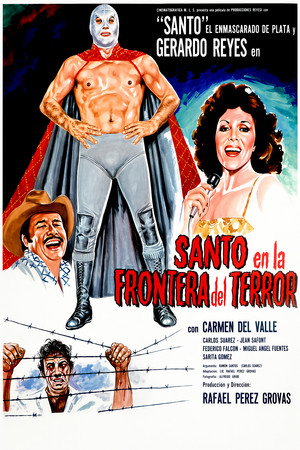
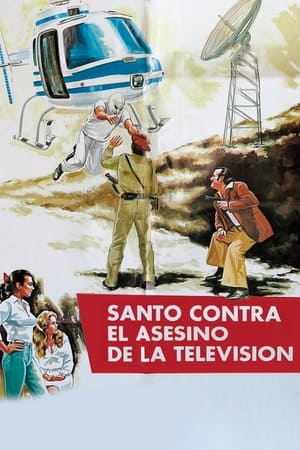
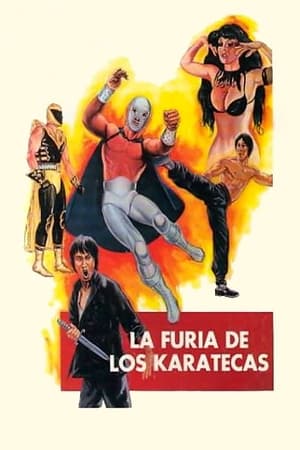
Few figures in cinema embody the seamless fusion of athletic prowess and mythic heroism quite like El Santo, the silver-masked icon whose filmography spans over five decades of Mexican popular culture. Born from the real-life legend of Rodolfo Guzmán Huerta, a luchador who never removed his mask in public, the Santo film series transformed a sports idol into a supernatural crusader against evil. These films, produced rapidly and enthusiastically from the late 1950s through the early 1980s, craft a universe where the wrestling ring is merely a training ground for far more dangerous arenas: mad scientists' laboratories, ancient crypts, and the lairs of diabolical masterminds. Santo moves through these worlds with a unique, stoic dignity, his silver mask gleaming in the shadows as he applies wrestling holds to vampires, zombies, and criminal kingpins with equal conviction.
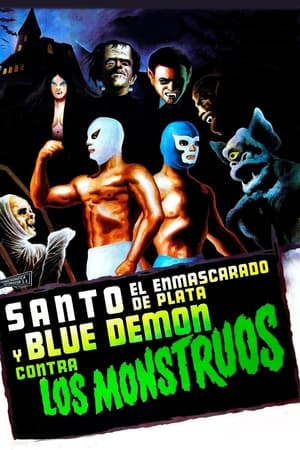
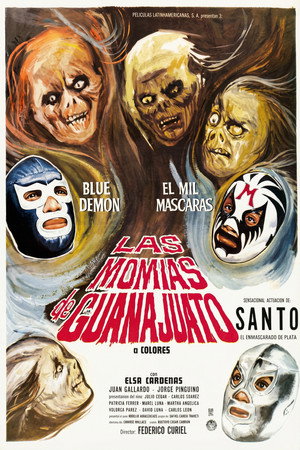
The series is a glorious, unapologetic tapestry of genre hybridization, blending gothic horror, spy thriller, and science fiction into a uniquely Mexican pulp aesthetic. One moment, Santo is a detective unraveling the schemes of the "King of Crime," and the next, he is battling an army of the undead or rescuing a damsel from a wax museum filled with murderous figures. The films rarely concern themselves with logical consistency, instead prioritizing atmosphere, action, and the unshakeable moral compass of their protagonist. This dreamlike quality is heightened by the frequent inclusion of Santo's real-life rivals-turned-allies, most notably the masked titans Blue Demon and Mil Máscaras. Their team-ups transform the films into proto-superhero crossovers, where the combined charisma and athleticism of these legendary luchadores create an unassailable force for good, their silent, masked faces radiating a power beyond dialogue.
Beyond their campy surface, the Santo films endure as a profound cultural monument to justice and national identity. In an era of rapid modernization and social change, El Santo represented an incorruptible, working-class champion whose strength was literal, moral, and symbolic. The mask, never removed, transcended the man to become a timeless symbol of righteousness. This cinematic legacy has inspired generations of artists, from comic book creators to filmmakers, who recognize in these low-budget adventures a pure, almost operatic form of storytelling. The collection is not merely a series of monster mashes; it is a heroic epic told in over fifty chapters, a testament to the enduring power of a folk hero who proved that the mightiest weapon against the forces of darkness is a perfectly executed flying tackle.