🎬 The Great Java (1971)
Part of Les Charlots - Saga
"The Great Java" (1971) is an obscure exploitation film that falls squarely into the "mondo" genre, a peculiar and often controversial style of documentary-like cinema popular in the 1960s and 1970s. These films typically presented a sensationalized, globe-trotting travelogue of bizarre rituals, exotic cultures, and shocking footage, often staged or heavily manipulated to titillate audiences. This particular entry, as its title suggests, focuses its lens on the Indonesian island of Java, promising viewers a lurid peek behind the curtain of a supposedly mysterious and untamed land.
The film is structured as a series of vignettes, a common format for the mondo movie, jumping between various cultural practices and sensationalized set-pieces. Viewers are guided through scenes of traditional ceremonies, local customs, and the kind of staged "shock" footage that defined the genre, such as animal slaughter or graphic medical procedures, all framed with a condescending and faux-anthropological narration. Like many of its counterparts, "The Great Java" blurs the line between documentary and pure fabrication, prioritizing spectacle over any genuine cultural insight.
As a product of its time, the film is a relic of a deeply exploitative cinematic trend that viewed non-Western cultures as a freak show for Western consumption. It holds no significant critical standing and is primarily of interest today to historians of exploitation cinema or those studying the ethical boundaries of documentary filmmaking. Its legacy is one of pure sensationalism, a footnote in the history of a genre that thrived on bad taste and cultural insensitivity.
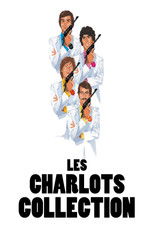
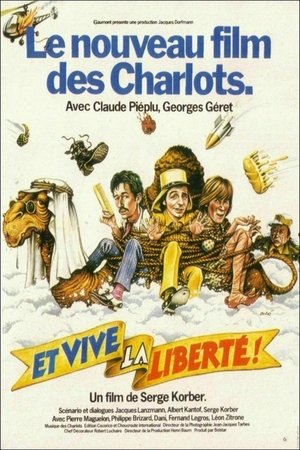
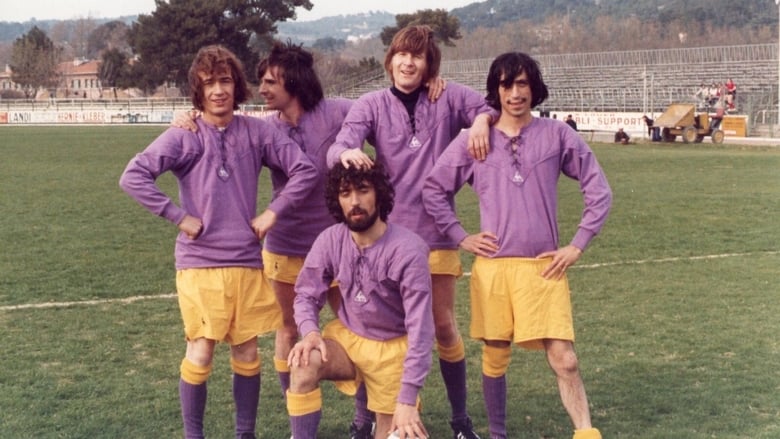
The Les Charlots film series is a collection of anarchic French comedies starring the musical parody group of the same name. Emerging from the vibrant yé-yé music scene of the 1960s, the core members—Gérard Rinaldi, Jean Sarrus, Gérard Filippelli, Luis Rego, and later Jean-Guy Fechner—translated their slapstick sensibilities and musical talents into a prolific run of films throughout the 1970s and early 1980s. Their movies are characterized by a relentless pursuit of the absurd, filled with visual gags, deliberate anachronisms, and a cheerful disregard for authority, narrative logic, and sometimes even basic physics. The series is not bound by continuity but by a consistent spirit of affectionate mockery, targeting everything from sacred literary classics and military institutions to contemporary pop culture and the very conventions of cinema itself.
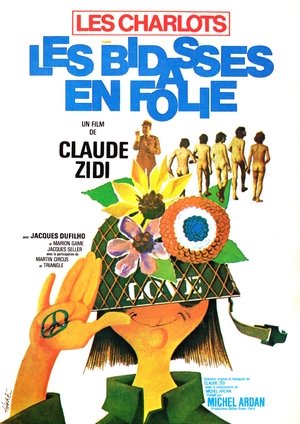
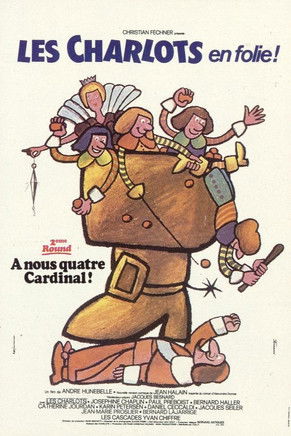
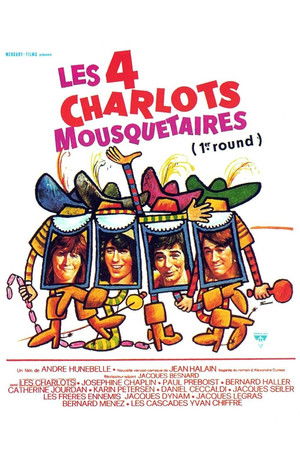
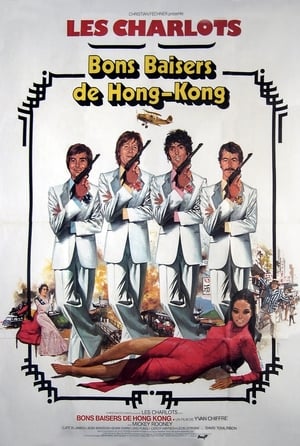
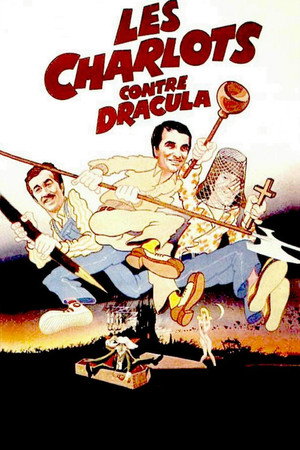
The filmography reveals a clever strategy of genre parody. Early works like *The Great Java* (1971) established their dynamic, but the series truly hit its stride when it began to systematically dismantle popular genres. The "Rookies" films (*Rookies Run Amok*, 1971, and *Rookies Go to War*, 1974) took aim at the rigidity of military life with a gleeful stupidity that masked sharp anti-authoritarian satire. This template proved endlessly adaptable, leading to some of their most memorable spoofs: *From Hong Kong with Love* (1975) skewered the James Bond spy craze, while *The Four Charlots Musketeers* (1974) and its sequel gleefully trampled the prestige of Alexandre Dumas, replacing swashbuckling heroism with slapstick cowardice. Even the horror genre was not safe, as evidenced by *Les Charlots contre Dracula* (1980), which pitted their bumbling personas against the Prince of Darkness.
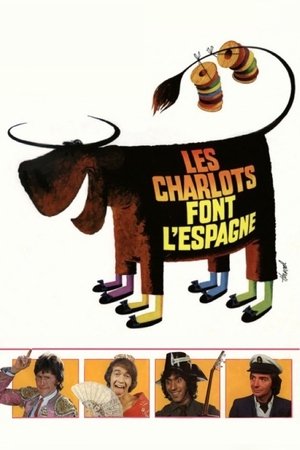
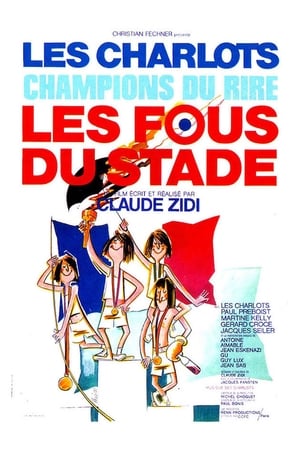
The cultural significance of Les Charlots lies in their role as a cinematic safety valve, a place where French and international audiences could revel in pure, unpretentious chaos. Films like *Stadium Nuts* (1972) and *Charlots Go to Spain* (1972) demonstrate their ability to set their destructive comedy loose on any backdrop, from the frenzy of a sports match to the clichés of international travel. The series represents a time capsule of a more innocent, yet wildly irreverent, style of comedy, where the chemistry of the group was the primary special effect. While the individual films vary in their sharpness, collectively they form a unique body of work that celebrates the art of the spoof with a distinctively French, music-hall-inflected flavor.
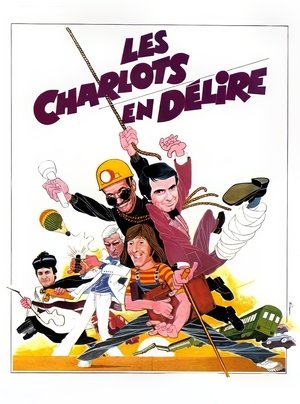
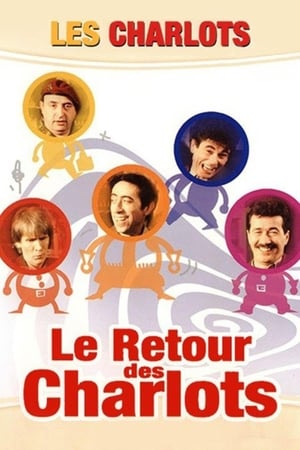
The series evolved over time, with later entries like *Les Charlots en délire* (1979) and *The Charlots Return* (1992) reflecting changes in the group's lineup and the shifting landscape of comedy. Directors such as Claude Zidi, Jean Girault, and André Hunebelle lent their distinct styles to various installments, yet the core identity remained rooted in the Charlots' chaotic, music-driven humor. Though not a franchise in the modern, merchandising-heavy sense, the collection endures as a beloved chapter in European popular cinema, influencing generations of comedians who value laughter over logic.