🎬 Bloodsport: The Dark Kumite (1999)
Part of Bloodsport
Bloodsport: The Dark Kumite is a 1999 direct-to-video martial arts film that serves as the fourth and final installment in the Bloodsport franchise. Directed by Elvis Restaino, the film notably brings back star Daniel Bernhardt, who had previously played the lead role of Alex Cardo in the second and third entries. In a curious twist for the series, Bernhardt returns here playing an entirely new character, undercover agent John Keller, rather than reprising his established role.
The plot follows Keller as he infiltrates Fuego Penal, a brutal prison where inmates are mysteriously vanishing. He soon discovers that the sadistic warden and a criminal mastermind named Justin Caesar are running a secret, modern-day Kumite tournament deep within the facility, forcing prisoners to fight to the death for the entertainment of high-rolling gamblers. The film leans heavily into a darker, grittier tone than its predecessors, trading the traditional martial arts tournament structure for a prison-fight survival scenario where the only rule is that there are no rules.
Shot on location in Bulgaria, the production utilized a real prison for its primary set, even employing actual inmates as background extras to heighten the gritty authenticity. Despite its Eastern European filming location, the story is set in the United States. The film features a cast of seasoned stunt performers and martial artists, including Stefanos Miltsakakis as the hulking antagonist Maximilian Schrek, continuing the series' tradition of pitting its hero against physically imposing foes in brutal, no-holds-barred combat.

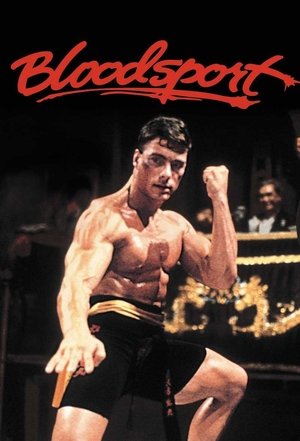
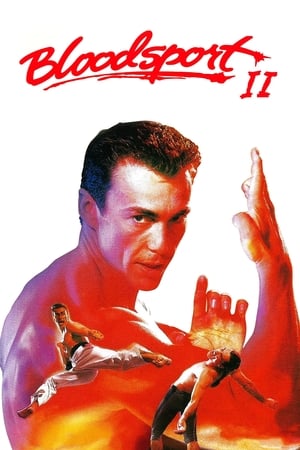
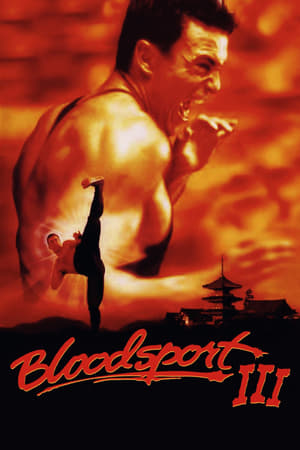
The Bloodsport collection is a series of American martial arts action films that began in the late 1980s, capitalizing on the era's fascination with underground combat and Eastern fighting disciplines. Inspired by the disputed claims of martial artist Frank Dux, the original story introduced audiences to the secretive, no-holds-barred tournament known as the Kumite, where elite fighters from around the world compete in a brutal test of skill and endurance. The narrative framework established a template of honor-bound warriors facing corrupt officials, personal vendettas, and the physical demands of full-contact competition, all set against an exotic, clandestine backdrop. The series was shaped by key creative figures like Sheldon Lettich, who helped define its blend of visceral fight choreography and straightforward storytelling. Over time, the collection expanded through direct-to-video sequels that continued to explore the Kumite's legacy, shifting focus to new protagonists while retaining the core elements of tournament structure and cross-cultural martial arts clashes. Though the later entries did not achieve the same cultural impact as the original, they sustained the series' presence in the home video market and among dedicated genre enthusiasts. Thematically, the collection consistently examines the tension between personal glory and ethical conduct, as fighters must often choose between victory at any cost and adherence to a code of honor passed down by their mentors. This moral dimension, coupled with the spectacle of diverse fighting styles—from Muay Thai and Capoeira to traditional kung fu—gives the series a distinct identity within the broader landscape of action cinema. Culturally, the Bloodsport collection holds a notable place in the popularization of mixed martial arts concepts in Western media before the rise of organizations like the UFC. Its influence can be seen in subsequent tournament-based films and video games, and it contributed to the international stardom of its lead performers. While critical reception has varied, the collection endures as a cult favorite, appreciated for its earnest portrayal of martial arts philosophy and its energetic, unpolished fight sequences that capture a formative period in action filmmaking.