🎬 Blade (1998)
Part of Blade
Long before Wesley Snipes donned the iconic black leather trench coat and sunglasses, Blade was a relatively obscure figure in the Marvel Comics universe. Created by Marv Wolfman and Gene Colan, the vampire hunter first appeared in The Tomb of Dracula #10 in 1973 as a supporting character—a tough, human vampire slayer armed with wooden stakes and a burning hatred for the undead. It wasn't until the 1990s that the character was reimagined as a 'daywalker,' a dhampir with all the strengths of a vampire and none of their fatal weaknesses, a change that would become the foundation for his cinematic debut.
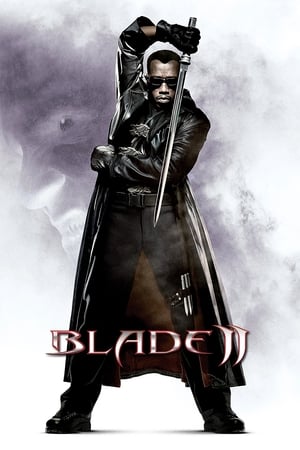
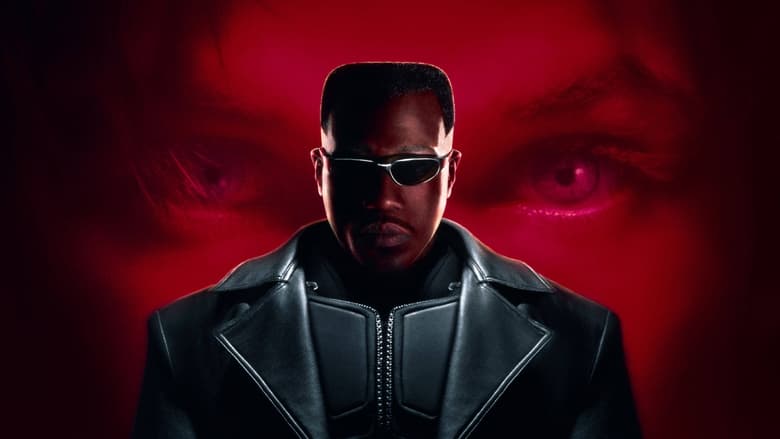
The 1998 film Blade, directed by Stephen Norrington and written by David S. Goyer, was a watershed moment for superhero cinema. Released at a time when comic book movies were struggling after the campy excesses of Batman & Robin, Blade took a radically different approach—dark, violent, and unapologetically R-rated. Wesley Snipes brought a magnetic intensity to the title role, portraying Blade as a stoic, half-vampire warrior waging a one-man war against a shadowy vampire underworld led by the ambitious Deacon Frost, played with sneering menace by Stephen Dorff. The film's opening sequence, set to a pounding techno soundtrack in a vampire blood rave, immediately signaled that this was not your typical comic book fare.
Blade was a surprise box office success, grossing over $131 million worldwide against a $45 million budget, and it is widely credited with reviving faith in Marvel adaptations on the big screen. Its success laid the groundwork for the X-Men and Spider-Man franchises that would follow, proving that superhero films could be both commercially viable and creatively bold. The film spawned two sequels—Blade II (2002), directed by Guillermo del Toro, and Blade: Trinity (2004)—forming a trilogy that remains a cult favorite. Snipes' portrayal became so definitive that he reprised the role over two decades later in the 2024 film Deadpool & Wolverine, a testament to the character's enduring legacy.

Blade is a fictional character appearing in American comic books published by Marvel Comics. Created by writer Marv Wolfman and penciler Gene Colan, the character first appeared in The Tomb of Dracula #10 in July 1973. Blade is a dhampir, a human with vampire strengths but not their weaknesses, who dedicates his life to hunting and destroying all vampires. His mother was bitten by a vampire during childbirth, passing on immunity to vampire bites and a prolonged lifespan.
The character was initially a supporting figure in the horror-themed The Tomb of Dracula series, where he was depicted as a tough-talking human vampire hunter relying on wooden stakes and sheer determination. Over the decades, Blade's origin was retconned to make him a daywalker—a dhampir with all the powers of a vampire and none of their fatal weaknesses, such as sunlight and silver. This transformation, largely developed in the 1990s, redefined him as a more formidable and supernatural antihero.
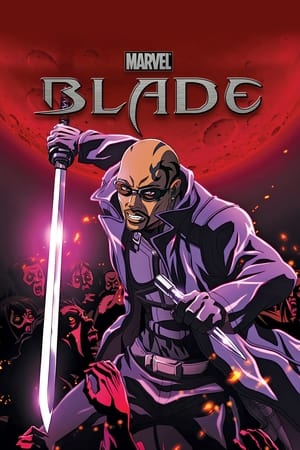
Blade's visual signature—a long black leather trench coat, sunglasses, and an arsenal of edged weapons—became iconic during the 1990s, particularly through his solo series and appearances in titles like Ghost Rider and Nightstalkers. His stories blend superhero action with gothic horror, exploring themes of identity, vengeance, and the thin line between humanity and monstrosity. As one of Marvel's most prominent Black superheroes, Blade holds a significant place in comic book history and paved the way for darker, more mature superhero narratives in other media.

The Blade collection is a trio of films centered on the Marvel Comics character Eric Brooks, a half-human, half-vampire hybrid known as the Daywalker. Possessing the strengths of vampires without their traditional weaknesses, Blade dedicates his existence to hunting the undead and protecting humanity. The films blend horror, martial arts, and superhero action, creating a dark, visceral tone that distinguished them from other comic book adaptations of their era. The narrative follows Blade's personal vendetta against the vampire nation, exploring his internal conflict between his human morality and his monstrous heritage, as well as his reluctant alliances with humans and other outcasts in his war against ancient bloodlines and emerging threats. The collection is notable for its uncompromising protagonist, played by Wesley Snipes, whose stoic intensity became iconic, and for its graphic, R-rated approach to violence that set a new standard for mature superhero storytelling. Culturally, the Blade films hold a significant place in the history of superhero cinema. Released before the modern boom of comic book movies, the first Blade film in 1998 demonstrated the viability of Marvel properties on the big screen and helped lay the groundwork for later successes. The character was one of the earliest prominent Black superheroes in mainstream film, contributing to greater representation and diversity within the genre. By fusing horror aesthetics with kinetic action, the collection influenced a darker, more grounded approach seen in subsequent superhero films and remains a touchstone for fans of both horror and comic book cinema. The legacy of the Daywalker endures as a symbol of resilience and the fight to retain one's humanity while standing apart from both worlds.