🎬 Army of Darkness (1992)
Part of Evil Dead
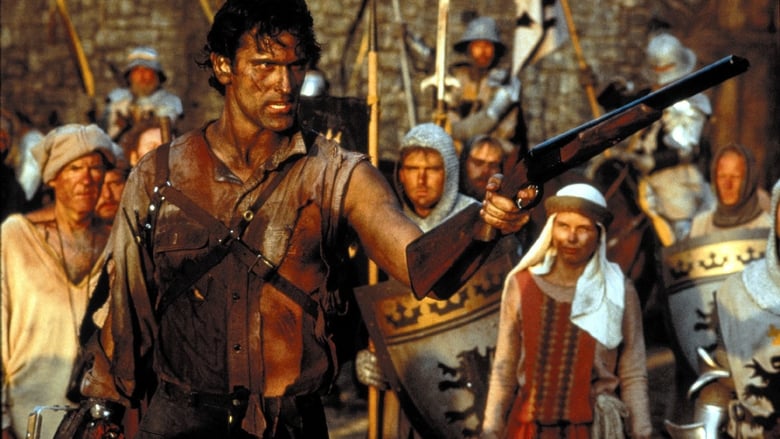
Sam Raimi’s Army of Darkness gleefully abandons the cabin-in-the-woods horror of its predecessors for a full-blown dark fantasy comedy adventure, functioning as a direct sequel to Evil Dead II. The film picks up immediately after the previous installment, hurling wisecracking S-Mart employee Ash Williams (Bruce Campbell) through a time portal and stranding him in the Middle Ages. Armed with his chainsaw hand, a 12-gauge "boomstick," and a 1973 Oldsmobile Delta 88, Ash must retrieve the Necronomicon to defeat an army of the undead and find his way back to the present. The shift in setting and tone was a deliberate creative choice, transforming the series from low-budget splatter horror into a Ray Harryhausen-inspired spectacle complete with sword fights, castle sieges, and a legion of stop-motion skeletons.
The production marked the franchise’s first collaboration with a major studio, Universal Pictures, following the success of Raimi’s Darkman. This larger budget allowed for more ambitious set pieces and creature effects, which were divided between two effects houses: Tony Gardner’s Alterian, Inc. handled Ash and Sheila’s makeup, while the fledgling KNB EFX Group (Kurtzman, Nicotero & Berger) created the film’s numerous undead creatures and gore gags. The film is notorious for its troubled post-production, including a mandated reshoot of the original downbeat ending in favor of the more crowd-pleasing S-Mart finale, and multiple cuts exist with varying runtimes and scenes depending on the territory.
Upon its release in early 1993, Army of Darkness underperformed at the box office but quickly found a massive second life on home video and cable, cementing Ash Williams as a pop-culture icon. Campbell’s performance as the arrogant, put-upon hero reached its full comedic potential here, delivering a barrage of quotable one-liners that have since permeated geek culture. The film’s unique blend of slapstick, horror, and swashbuckling action has made it arguably the most beloved entry in the Evil Dead trilogy for general audiences, even as it remains the least overtly frightening.
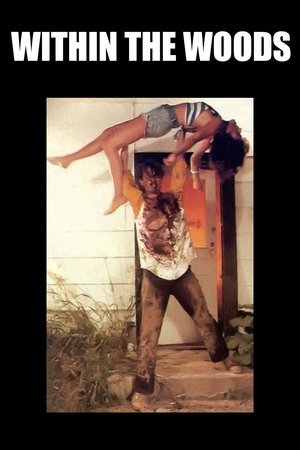
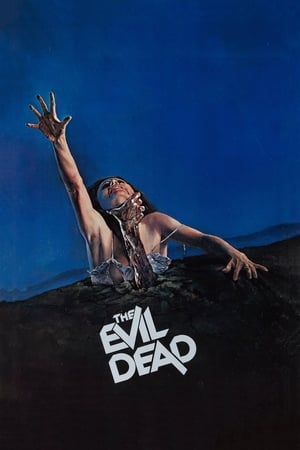
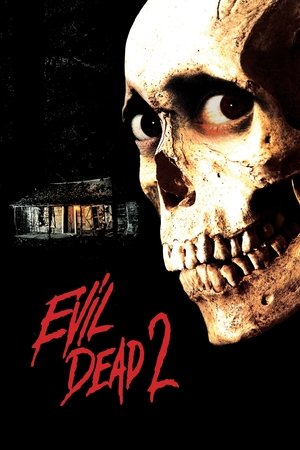
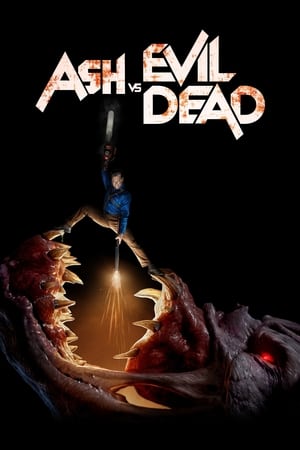
The Evil Dead series began as a raw, independent horror experiment, rooted in the DIY ethos of director Sam Raimi, producer Robert Tapert, and star Bruce Campbell. Emerging from the short film 'Within the Woods,' the original 1981 feature was a visceral tale of demonic possession unleashed by the Necronomicon Ex-Mortis, an ancient Sumerian text. Shot on a shoestring budget in the Tennessee woods, it relied on inventive practical effects, relentless camera movement, and a suffocating atmosphere of dread. This grassroots origin established a foundation of resourceful filmmaking that would define the series' identity, proving that sheer creativity could overcome financial limitations and resonate deeply with horror audiences seeking something unpolished yet profoundly unsettling. The series draws heavily on H.P. Lovecraft's cosmic horror, framing ancient, forbidden knowledge as the gateway to chaos, but filters it through a uniquely kinetic and visceral lens that sets it apart from more cerebral interpretations of the mythos. Over time, the saga evolved from a straightforward tale of survival into a genre-bending hybrid that defies easy categorization. With 'Evil Dead II,' Raimi injected slapstick humor and manic energy, transforming the narrative into a darkly comedic rollercoaster that parodied its own premise while amplifying the gore. 'Army of Darkness' pushed further into fantasy adventure, sending the reluctant hero Ash Williams to a medieval realm where his chainsaw hand and boomstick became tools of legend. This tonal shift—from pure horror to splatstick comedy—created a unique identity that balances genuine scares with irreverent, self-aware entertainment. The series' willingness to reinvent itself while retaining its core elements of demonic mayhem and practical effects wizardry has kept it fresh across decades, appealing to both purists and those who enjoy horror with a knowing wink. Culturally, the Evil Dead series has left an indelible mark on modern genre cinema, influencing a generation of filmmakers with its audacious style and independent spirit. The character of Ash Williams, portrayed with iconic bravado by Bruce Campbell, evolved from a terrified everyman into a wisecracking anti-hero whose chainsaw arm and one-liners are instantly recognizable in pop culture. The series' visual language—the rushing 'Raimi-cam,' the torrents of blood, the stop-motion decay—has been widely imitated and referenced. Its legacy extends beyond the screen through comic books, video games, and a dedicated fanbase that celebrates its blend of horror and humor at conventions worldwide. The 2015 television series 'Ash vs Evil Dead' revived the original timeline for a new era, proving the enduring appeal of its practical-effects-driven chaos. This collection stands as a testament to how a low-budget labor of love can grow into a monumental and beloved pillar of horror entertainment, continuously rediscovered by new audiences while retaining its cult status.