🎬 The Evil Dead (1981)
Part of Evil Dead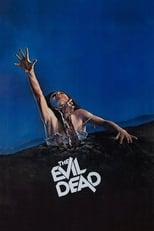
Sam Raimi's The Evil Dead stands as a landmark of independent filmmaking, a ferociously inventive horror film that launched one of the genre's most beloved franchises. Shot on a shoestring budget of $90,000 in the remote woods of Tennessee, the film follows five college students whose cabin getaway turns into a nightmare when they unwittingly unleash demonic forces through an ancient Sumerian text and an archaeologist's audio recordings. What begins as a relatively straightforward setup rapidly descends into a relentless assault of possession, dismemberment, and gore, anchored by Bruce Campbell's iconic performance as Ash Williams, the reluctant survivor who would become horror cinema's most quotable chainsaw-wielding hero.
The production itself has become the stuff of legend. Raimi and his childhood friends from Michigan endured freezing temperatures, grueling makeup sessions, and a notoriously difficult shoot where the remote cabin location lacked basic amenities. The film's groundbreaking visual style, including the infamous "shaky cam" or "Raimi-cam" shots that barrel through the woods from the demon's point of view, was achieved through ingenious low-budget solutions. Tom Sullivan's practical effects work, from the infamous tree assault sequence to the climactic stop-motion decay of the final demon, pushed the boundaries of what independent horror could achieve and would later draw the ire of censors worldwide.
The film's journey to audiences was almost as dramatic as its content. After a private screening in Detroit, producer Irvin Shapiro helped secure a slot at the 1982 Cannes Film Festival, where a rave review from Stephen King—who famously called it "the most ferociously original horror film of the year"—convinced New Line Cinema to distribute it. The Evil Dead became a massive hit internationally, grossing nearly $30 million worldwide against its minuscule budget, though it faced significant controversy and was even labeled a "video nasty" in the UK during the moral panic of the 1980s.
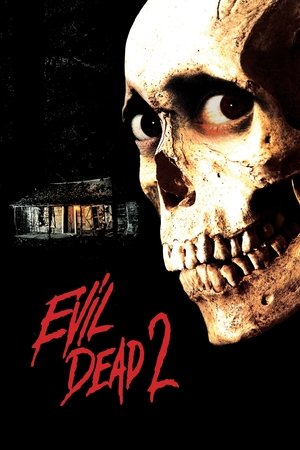
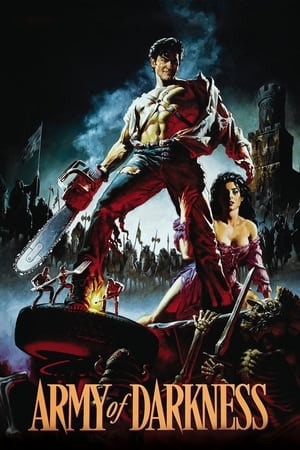
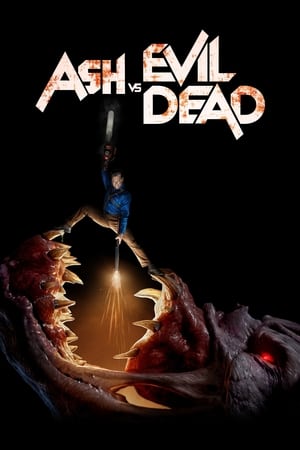
Decades later, The Evil Dead's influence is immeasurable. It spawned two direct sequels that increasingly leaned into slapstick comedy—Evil Dead II and Army of Darkness—a 2013 soft reboot that returned to straight horror, a 2023 urban-set follow-up in Evil Dead Rise, and the Starz television series Ash vs Evil Dead. Beyond its own franchise, the film's DIY aesthetic, kinetic camerawork, and blend of genuine terror with dark humor inspired countless filmmakers and cemented Raimi's reputation as a visionary director who would go on to helm the Spider-Man trilogy and Doctor Strange in the Multiverse of Madness.
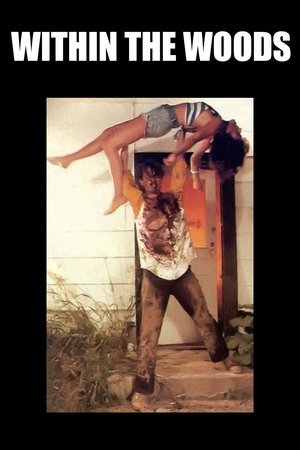
The Evil Dead series began as a raw, independent horror experiment, rooted in the DIY ethos of director Sam Raimi, producer Robert Tapert, and star Bruce Campbell. Emerging from the short film 'Within the Woods,' the original 1981 feature was a visceral tale of demonic possession unleashed by the Necronomicon Ex-Mortis, an ancient Sumerian text. Shot on a shoestring budget in the Tennessee woods, it relied on inventive practical effects, relentless camera movement, and a suffocating atmosphere of dread. This grassroots origin established a foundation of resourceful filmmaking that would define the series' identity, proving that sheer creativity could overcome financial limitations and resonate deeply with horror audiences seeking something unpolished yet profoundly unsettling. The series draws heavily on H.P. Lovecraft's cosmic horror, framing ancient, forbidden knowledge as the gateway to chaos, but filters it through a uniquely kinetic and visceral lens that sets it apart from more cerebral interpretations of the mythos. Over time, the saga evolved from a straightforward tale of survival into a genre-bending hybrid that defies easy categorization. With 'Evil Dead II,' Raimi injected slapstick humor and manic energy, transforming the narrative into a darkly comedic rollercoaster that parodied its own premise while amplifying the gore. 'Army of Darkness' pushed further into fantasy adventure, sending the reluctant hero Ash Williams to a medieval realm where his chainsaw hand and boomstick became tools of legend. This tonal shift—from pure horror to splatstick comedy—created a unique identity that balances genuine scares with irreverent, self-aware entertainment. The series' willingness to reinvent itself while retaining its core elements of demonic mayhem and practical effects wizardry has kept it fresh across decades, appealing to both purists and those who enjoy horror with a knowing wink. Culturally, the Evil Dead series has left an indelible mark on modern genre cinema, influencing a generation of filmmakers with its audacious style and independent spirit. The character of Ash Williams, portrayed with iconic bravado by Bruce Campbell, evolved from a terrified everyman into a wisecracking anti-hero whose chainsaw arm and one-liners are instantly recognizable in pop culture. The series' visual language—the rushing 'Raimi-cam,' the torrents of blood, the stop-motion decay—has been widely imitated and referenced. Its legacy extends beyond the screen through comic books, video games, and a dedicated fanbase that celebrates its blend of horror and humor at conventions worldwide. The 2015 television series 'Ash vs Evil Dead' revived the original timeline for a new era, proving the enduring appeal of its practical-effects-driven chaos. This collection stands as a testament to how a low-budget labor of love can grow into a monumental and beloved pillar of horror entertainment, continuously rediscovered by new audiences while retaining its cult status.