📺 Salem's Lot (1979)
Based on novel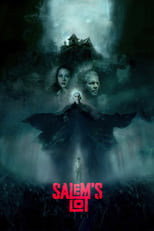
Tobe Hooper's 1979 television miniseries "Salem's Lot" stands as a landmark adaptation of Stephen King's novel, bringing the author's vision of small-town vampirism to a mass audience with a chilling atmosphere that has haunted viewers for decades. The miniseries, which aired on CBS in two feature-length installments, stars David Soul as writer Ben Mears and James Mason as the sinister Richard Straker. Hooper, fresh off the success of "The Texas Chain Saw Massacre," brought a visceral, gothic sensibility to the project, using shadowy cinematography and a slow-burn pace to capture the novel's creeping dread.
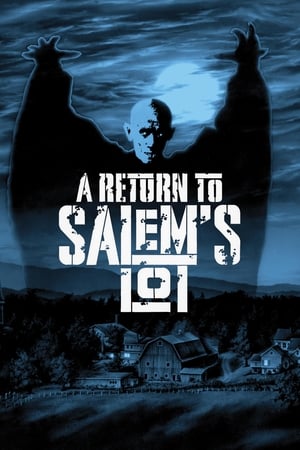
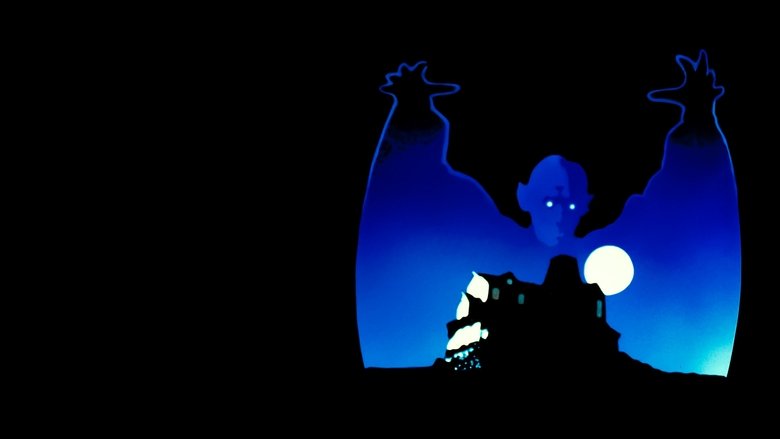
One of the most significant changes from the source material is the depiction of the head vampire, Kurt Barlow. In King's novel, Barlow is a sophisticated, articulate figure who can pass for human, a direct nod to Count Dracula. The miniseries, however, transforms him into a speechless, demonic creature with glowing eyes, long claws, and a bat-like face, designed by special effects artist Carlo Rambaldi. This choice was controversial among purists but proved iconic, creating one of the most memorable vampire designs in television history. The adaptation also streamlines the plot, focusing on the core group of survivors—Ben, young Mark Petrie (Lance Kerwin), and teacher Jason Burke (Lew Ayres)—while omitting some subplots and characters from the book.
Upon its initial broadcast, "Salem's Lot" received positive reviews and earned three Primetime Emmy nominations, including Outstanding Limited Series. Its most famous scene—the floating, scratching vampire boy Danny Glick at the window—became a touchstone of horror television, influencing countless later works. Over the years, the miniseries has developed a devoted cult following, praised for its eerie score by Harry Sukman and its ability to translate King's thematic exploration of community decay into visual terror. While later adaptations have attempted to update the story, Hooper's version remains the definitive screen interpretation for many fans, a testament to its power to unsettle and endure.

'Salem's Lot is a 1975 horror novel by American author Stephen King, his second published book. The story follows writer Ben Mears, who returns to the small town of Jerusalem's Lot, Maine, where he lived as a child, only to discover that the residents are gradually being turned into vampires. The novel explores themes of small-town decay, the loss of innocence, and the nature of evil, drawing inspiration from Bram Stoker's Dracula by asking what would happen if the legendary vampire came to modern-day America.
King wrote the novel as a darker, more ambitious follow-up to his debut Carrie, and it quickly became a bestseller. It was nominated for the World Fantasy Award for Best Novel in 1976 and has since been recognized as one of the most influential vampire novels of the 20th century. The book's depiction of a community slowly succumbing to a supernatural threat has become a template for countless horror stories.
The novel introduced the character of Kurt Barlow, a sophisticated and ancient vampire who arrives in the town under the guise of an antique dealer, along with his human familiar Richard Straker. The gradual takeover of the town, the transformation of its citizens, and the desperate fight of a small group of survivors have made 'Salem's Lot a cornerstone of modern horror literature and one of King's most enduring works.