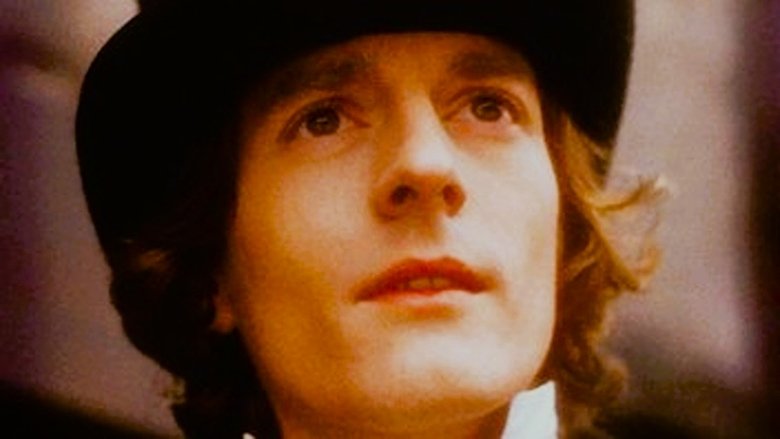
📺 Nicholas Nickleby (1977)
Based on novel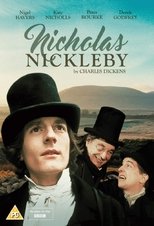
The 1977 BBC television adaptation of 'Nicholas Nickleby' is a faithful and well-regarded rendition of Charles Dickens's classic 1839 novel. Directed by Christopher Barry and produced by Martin Lisemore, this six-part miniseries was part of the BBC's long tradition of adapting Dickens's works for the small screen. It stars Nigel Havers in the title role, bringing a youthful earnestness to the character of Nicholas, a young man thrust into a harsh world after his father's death.
The series follows the novel's episodic journey closely, from the horrors of Dotheboys Hall and the villainous Wackford Squeers, played with grotesque relish by Derek Francis, to the warmth of the Cheeryble brothers and the theatrical extravagance of Vincent Crummles, portrayed by Freddie Jones. The cast is a showcase of British acting talent, including Patricia Routledge as the flamboyant Madame Mantalini and Anthony Ainley as the predatory Sir Mulberry Hawk. The production captures the novel's blend of social commentary, humor, and sentimentality, using its serialized format to explore the sprawling narrative in considerable depth.
While not as widely celebrated as the legendary 1980 Royal Shakespeare Company stage production or the 2002 feature film, this 1977 BBC version is a solid and respectful adaptation that prioritizes narrative clarity and character development. It arrived during a period when the BBC was producing a string of classic literary adaptations, and it remains a cherished interpretation for fans of traditional costume drama. The series effectively translates Dickens's outrage at social injustice, particularly the cruelty of the Yorkshire schools, into compelling television.
For viewers seeking a comprehensive and textually faithful journey through one of Dickens's most adventurous novels, the 1977 'Nicholas Nickleby' offers a rewarding experience. It stands as a testament to the enduring appeal of Dickens's storytelling and the BBC's skill in bringing classic literature to life with care and a deep respect for the source material.

Nicholas Nickleby is a novel by Charles Dickens, originally published as a serial in monthly installments under the pseudonym 'Boz' from March 1838 to September 1839, before being released in book form in 1839. It was Dickens's third novel and followed the immense success of 'Oliver Twist' and 'The Pickwick Papers'. The story centers on the titular character, a young man who must fend for himself and his family after the death of his father leaves them impoverished.
The narrative follows Nicholas as he is sent to work at the brutal Dotheboys Hall boarding school in Yorkshire, run by the sadistic Wackford Squeers. After rebelling against the cruelty he witnesses, Nicholas escapes with a disabled boy named Smike, and the two embark on a series of adventures across England. They encounter a colorful cast of characters, including the theatrical manager Vincent Crummles and the benevolent Cheeryble brothers, while Nicholas's villainous uncle Ralph plots against the family's fortunes.
Like much of Dickens's work, the novel is a sharp social critique, particularly targeting the abusive Yorkshire boarding schools of the era, which were notorious for neglecting and mistreating unwanted children. The public outcry following the novel's publication contributed to the eventual closure of many such institutions. The book blends melodrama, comedy, and pathos, showcasing Dickens's gift for creating memorable characters and his deep concern for social justice.
'Nicholas Nickleby' remains one of Dickens's most beloved and frequently adapted works, celebrated for its episodic structure, its vivid depiction of Victorian England, and its enduring themes of compassion, resilience, and the triumph of good over evil.