📺 Sesame Street (1969)
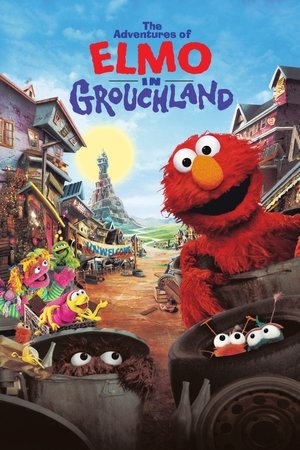
Adapted as movie
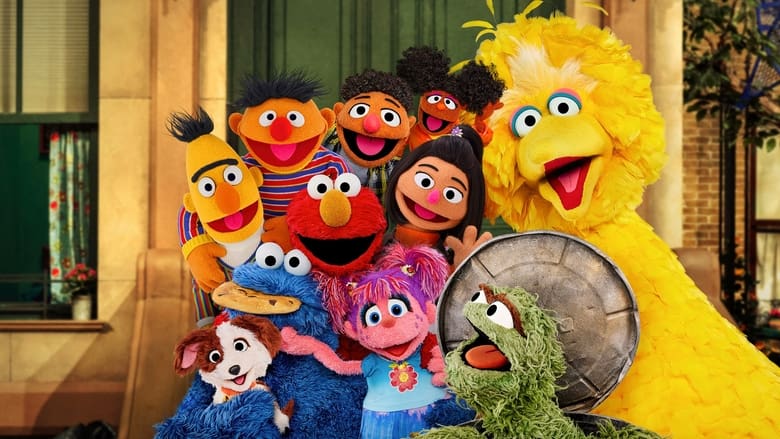
Sesame Street is a landmark American educational children's television series that premiered on PBS in 1969. Created by Joan Ganz Cooney and Lloyd Morrisett, the show revolutionized children's programming by being the first to use a detailed curriculum and formal educational research to shape its content. It is renowned for its innovative blend of live-action, sketch comedy, animation, and the iconic Muppets created by Jim Henson, bringing beloved characters like Big Bird, Elmo, and Cookie Monster to life.
The series was developed using the 'CTW model,' a collaborative system involving producers, writers, educators, and researchers, which was groundbreaking for its time. Initially funded by government and private foundations, Sesame Street has become a self-sustaining global enterprise through licensing, international co-productions, and merchandising. While it aired on PBS for most of its history, first-run episodes moved to HBO in 2016 and later to the streaming service Max, marking a significant shift in its distribution model.
Over the decades, Sesame Street has continuously evolved its format and curriculum to reflect changes in American culture and children's viewing habits. It has addressed a wide range of topics, from basic literacy and numeracy to complex social issues like grief, autism, and racial justice, earning numerous awards and a permanent place in television history. The show's influence extends worldwide, with dozens of international co-productions adapting its model for local audiences.