🎬 Scarface (1932)
Based on novel
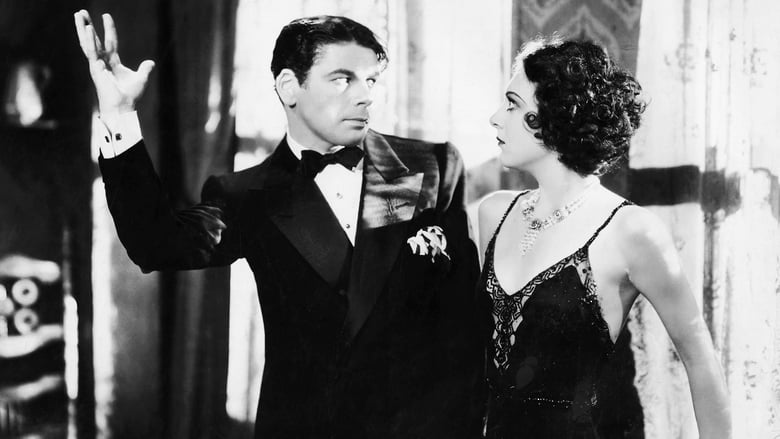
Howard Hawks’ 1932 Scarface arrived like a Molotov cocktail tossed into the early sound era, a film so brazen in its violence and moral ambiguity that it practically dared the censors to stop it. Producer Howard Hughes, fresh off the aerial dogfights of Hell’s Angels, purchased the rights to Armitage Trail’s pulpy novel and handed the project to Hawks and screenwriter Ben Hecht, a former Chicago journalist who knew the stink of the underworld firsthand. Hecht famously cranked out the script in eleven days, transplanting the novel’s Tony Guarino into the swaggering, ape-like Antonio “Tony” Camonte, played with simian menace by Paul Muni. The film doesn’t just adapt the book; it electrifies it, compressing the sprawling rise-and-fall narrative into a relentless, almost operatic sprint through the bootleg era, complete with Thompson guns, screeching tires, and a body count that left contemporary audiences gasping.
The adaptation took significant liberties with Trail’s source material, most notably by weaving in a perverse, almost incestuous obsession Camonte harbors for his sister Cesca, a dark psychological thread entirely absent from the novel. This addition, combined with the film’s unflinching depiction of the St. Valentine’s Day Massacre, created a portrait of gangster life that felt dangerously glamorous. The Hays Office, still finding its teeth before the ironclad Production Code of 1934, demanded a series of humiliating concessions: a preachy prologue decrying the “shame of a nation,” a subtitle to hammer the point home, and an alternate ending where Camonte is hanged rather than going out in a blaze of glory. Hawks, ever the sly subversive, shot the execution scene but then simply refused to use it, betting that local censor boards wouldn’t enforce the federal mandate—a gamble he largely won.
Beyond its censorship battles, the film became a stylistic blueprint for the entire gangster genre. Hawks introduced the now-iconic motif of the “X,” a shadow or architectural detail marking impending death, and he gave George Raft a career-defining moment with the coin-flipping hood Guino Rinaldo, a character who barely registers in the novel but became a cultural archetype. The film’s reception was a firestorm; civic groups condemned it, and several states and cities banned it outright, yet it was a box office hit. Critics of the time were divided between awe at its kinetic filmmaking and disgust at its subject matter, a tension that ultimately cemented its legacy as the most ferocious of the early gangster pictures, a pre-Code masterpiece that makes the novel’s prose feel almost quaint by comparison.
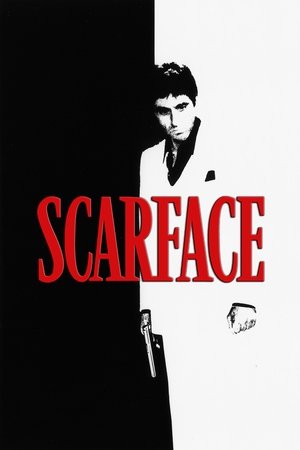
In the decades since, the 1932 Scarface has occasionally been overshadowed by Brian De Palma’s cocaine-dusted 1983 remake, but its DNA is unmistakable in every crime saga that followed. Where Trail’s novel was a cautionary tabloid riff on Capone’s Chicago, Hawks and Hecht transformed it into a dark mirror of the American Dream itself, a place where the immigrant striver consumes everything in his path only to be consumed by his own monstrous appetites. The film’s original title card promised “The Shame of a Nation,” but what endures is the shameless brilliance of its execution.

Scarface is a 1930 crime novel by American author Armitage Trail, the pen name of Maurice Coons. The story follows Tony Guarino, a ruthless Italian-American gangster who rises to power in the Prohibition-era Chicago underworld through violence and cunning. The novel was inspired by the real-life exploits of Al Capone, and its title refers to the facial scar that both the fictional protagonist and Capone bore.
The novel was published in 1929 and quickly gained attention for its gritty, unflinching portrayal of organized crime. Though not a major bestseller upon release, it became influential after being adapted into the classic 1932 film Scarface, directed by Howard Hawks. Trail's work is considered an early example of the hardboiled crime genre, and its themes of ambition, corruption, and violent downfall have resonated through multiple adaptations, cementing its place in American popular culture.