🎬 Women of All Nations (1931)
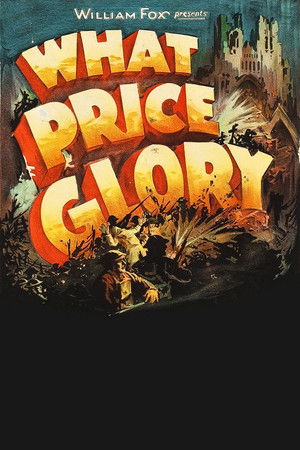
Part of What Price Glory
Women of All Nations is a 1931 pre-Code military comedy directed by Raoul Walsh, and the second of three sequels to his 1926 film What Price Glory?. Victor McLaglen and Edmund Lowe reprise their iconic roles as brawling Marine rivals Captain Jim Flagg and Sergeant Harry Quirt, continuing their comedic feud through peacetime. The film opens at the end of World War I and follows the pair as they re-enlist, bouncing from a recruiting office in Brooklyn to adventures in Sweden and finally to earthquake relief in Nicaragua. Greta Nissen co-stars as Elsa, a Swedish dancer who sparks a love triangle, and El Brendel provides comic relief as the sneezing recruit Olsen.
Unlike its predecessor, which was set entirely during wartime, Women of All Nations explores the peacetime exploits of Flagg and Quirt, mixing service comedy with exotic locales. The film was part of a successful run for the duo, who would appear together in seven films between 1926 and 1943. Production notes indicate that the filmmakers aimed to recapture the chemistry and roughhouse humor that made What Price Glory? a hit, while adding new settings and romantic complications. The film's pre-Code status allows for risqué humor and innuendo, particularly in the Swedish café sequences.
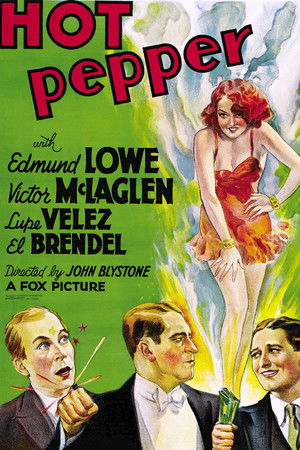
Women of All Nations was followed by a third sequel, Hot Pepper (1933), which also reunited McLaglen and Lowe with director John G. Blystone. The series remains a notable early example of a military buddy comedy franchise, predating later service comedies by decades. While not as well remembered as the original film, Women of All Nations is valued by classic film enthusiasts for its fast pacing, on-location scenic shots, and the enduring appeal of the Flagg-Quirt dynamic.
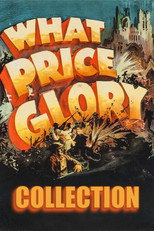
The "What Price Glory" series is a pioneering collection of early American films that originated from Maxwell Anderson and Laurence Stallings's acclaimed 1924 stage play. The series introduced audiences to the boisterous and eternally feuding Marine sergeants, Quirt and Flagg, whose combative yet deeply loyal friendship became its emotional core. Beginning with Raoul Walsh's silent-era masterpiece in 1926, the initial film captured the grim realities of World War I while balancing raucous humor with sudden pathos, establishing a template for the service comedy genre that would influence decades of military storytelling.
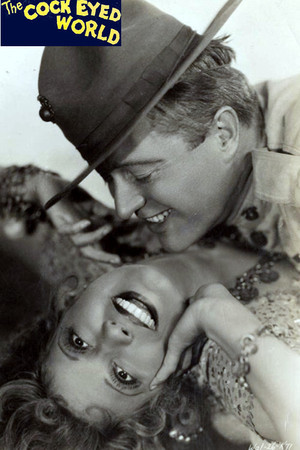
Unusually for its time, the series evolved by following its central duo into peacetime adventures across the globe, effectively chronicling the American serviceman's life between the wars. Sequels such as *The Cock-Eyed World*, *Women of All Nations*, and *Hot Pepper* transplanted Quirt and Flagg's rivalry to exotic locales, trading the trenches for tropical outposts and high-seas escapades. This progression allowed the collection to function as a time capsule, reflecting shifting social mores, the restless energy of the Depression era, and the transition from silent cinema to the wisecracking rhythms of early talkies.
The cultural significance of this collection lies in its innovative tonal blend—swerving from slapstick brawling to sobering reflection—and its codification of the "odd couple" trope within a military framework. The dynamic between the two sergeants, whose fistfights and romantic rivalries masked an unspoken bond, provided a durable blueprint for countless buddy comedies and war dramas that followed. Though less widely seen today, the series remains a vital cornerstone of Hollywood history, demonstrating that the greatest battles are often fought alongside an infuriating, irreplaceable friend.