🎬 The Cock-Eyed World (1929)
Part of What Price Glory
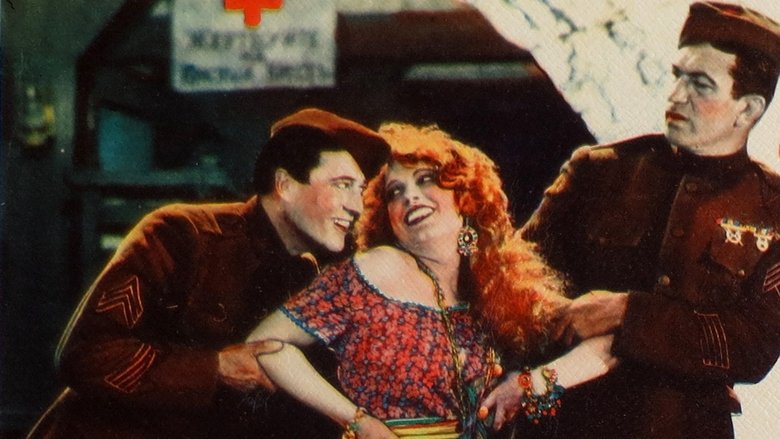
The Cock-Eyed World is a 1929 American pre-Code musical comedy, one of the earliest all-talking features, and a direct sequel to the 1926 silent film What Price Glory? Directed by Raoul Walsh, who also co-wrote the screenplay, the film reunites Victor McLaglen and Edmund Lowe as the bickering sergeants Flagg and Quirt, now transferred from Russia to Brooklyn and then to South America, where their rivalry over a local beauty continues. The film was a trailblazer in the transition to sound, with Fox releasing it as both a talkie and a silent version.
A critical and popular success, The Cock-Eyed World set a world record for opening-week box office gross at the Roxy Theatre in New York, pulling in $173,391 and then topping that in its second week. It demonstrated that audiences would embrace sequels with returning cast and crew, a rarity at the time. The film’s blend of bawdy humor, music, and the beloved Flagg-and-Quirt dynamic made it a standout early talkie and solidified the characters as enduring screen icons.
The cast also includes Lili Damita, Leila Karnelly, and comedic performer El Brendel. While the original What Price Glory? was based on a stage play, this sequel was crafted from an original story by Maxwell Anderson, Tom Barry, Wilson Mizner, and Laurence Stallings, keeping the spirit of the first film while embracing the possibilities of synchronized sound. The Cock-Eyed World remains a fascinating artifact of Hollywood’s daring leap into the talking era.
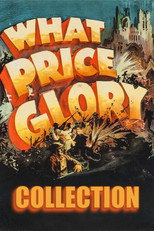
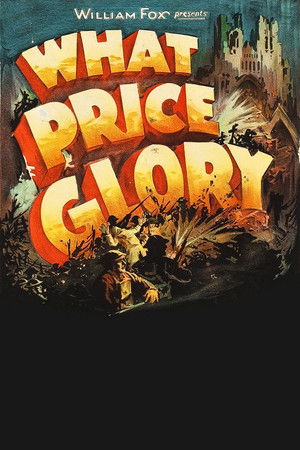
The "What Price Glory" series is a pioneering collection of early American films that originated from Maxwell Anderson and Laurence Stallings's acclaimed 1924 stage play. The series introduced audiences to the boisterous and eternally feuding Marine sergeants, Quirt and Flagg, whose combative yet deeply loyal friendship became its emotional core. Beginning with Raoul Walsh's silent-era masterpiece in 1926, the initial film captured the grim realities of World War I while balancing raucous humor with sudden pathos, establishing a template for the service comedy genre that would influence decades of military storytelling.
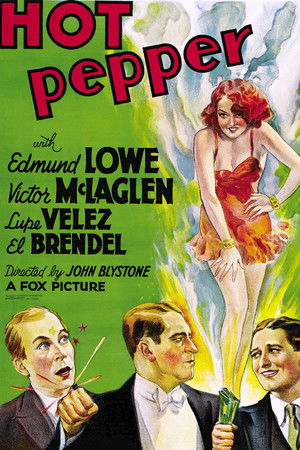
Unusually for its time, the series evolved by following its central duo into peacetime adventures across the globe, effectively chronicling the American serviceman's life between the wars. Sequels such as *The Cock-Eyed World*, *Women of All Nations*, and *Hot Pepper* transplanted Quirt and Flagg's rivalry to exotic locales, trading the trenches for tropical outposts and high-seas escapades. This progression allowed the collection to function as a time capsule, reflecting shifting social mores, the restless energy of the Depression era, and the transition from silent cinema to the wisecracking rhythms of early talkies.
The cultural significance of this collection lies in its innovative tonal blend—swerving from slapstick brawling to sobering reflection—and its codification of the "odd couple" trope within a military framework. The dynamic between the two sergeants, whose fistfights and romantic rivalries masked an unspoken bond, provided a durable blueprint for countless buddy comedies and war dramas that followed. Though less widely seen today, the series remains a vital cornerstone of Hollywood history, demonstrating that the greatest battles are often fought alongside an infuriating, irreplaceable friend.