Hercules Franchise
Collection 🎬 Collection
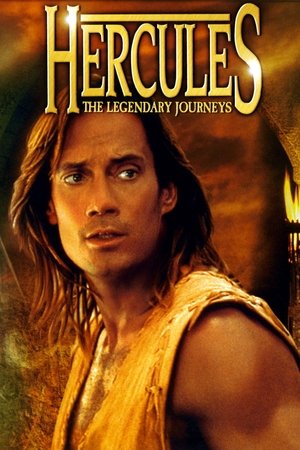
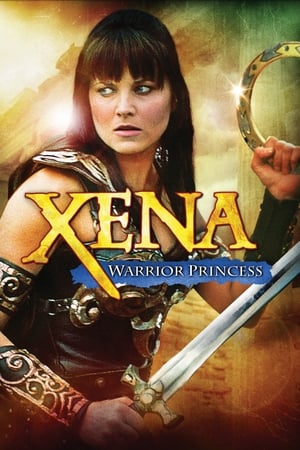
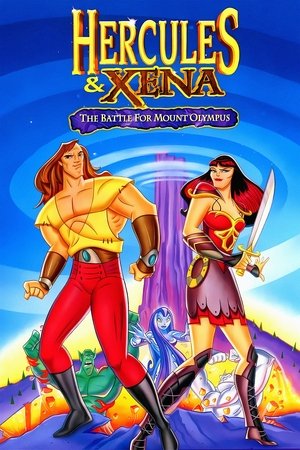
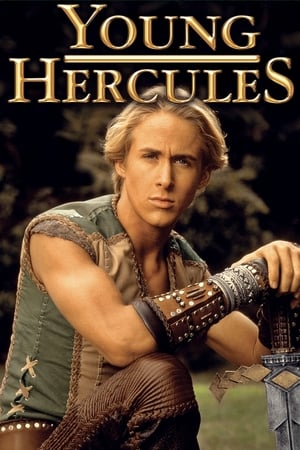
The Hercules television universe, a defining collection of 1990s fantasy-adventure programming, reimagined classical mythology through a lens of modern action and irreverent humor. Originating from a series of made-for-TV movies, the world quickly expanded into a shared narrative centered on the demigod Hercules, who rejects his divine birthright to walk the earth as a champion of the oppressed. This version of ancient Greece was a vibrant, anachronistic playground where gods meddled in mortal affairs, monsters lurked around every corner, and heroic idealism was tempered with a knowing wink. The collection’s true genius lay in its ability to blend high-stakes drama with campy, self-aware dialogue, creating a distinct tone that resonated deeply with audiences and set it apart from the sober epics of the past.\n\nFrom the flagship series *Hercules: The Legendary Journeys*, the world organically birthed an even more iconic phenomenon in *Xena: Warrior Princess*, a spin-off that transcended its origins to become a cultural touchstone for female empowerment and complex anti-heroism. The collection masterfully explored themes of redemption and the duality of good and evil, as seen in Xena’s violent quest for atonement and Hercules’s constant struggle to balance his human compassion with his Olympian rage. This narrative depth was complemented by a rich tapestry of supporting characters, and the timeline was further enriched by *Young Hercules*, which explored the hero’s formative years in a lighter, teen-oriented adventure. Even the animated feature *Hercules and Xena - The Animated Movie: The Battle for Mount Olympus* served to solidify the shared universe, bringing its signature blend of action and mythology to a new visual medium.\n\nBeyond its swashbuckling action, the collection’s lasting legacy is its profound impact on serialized genre storytelling and character-driven myth-making. It pioneered a style of episodic television where charismatic leads and their evolving relationships were just as important as the monster-of-the-week, a formula that paved the way for countless fantasy series that followed. The shows’ bold reinterpretation of ancient myths, transforming figures like Ares and Aphrodite into recurring, personality-driven characters, made the pantheon feel immediate and accessible. Ultimately, the Hercules television universe endures not just as a set of entertaining adventures, but as a defining text of 90s pop culture that championed camp, courage, and the idea that true heroism is a journey, not a destination.