Bionic Franchise
Collection 🎬 Collection
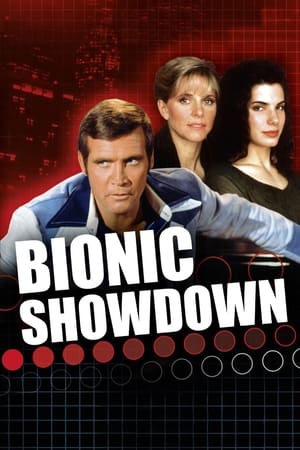
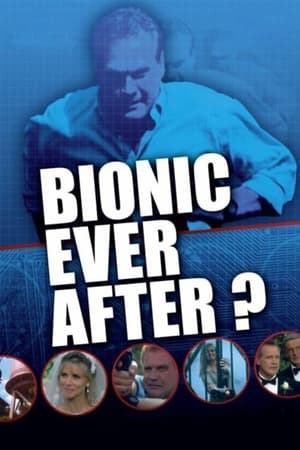
The Bionic collection, rooted in Martin Caidin's 1972 novel *Cyborg*, emerged as a defining television phenomenon of the 1970s, exploring the intersection of humanity and high-concept prosthetics. Centered on astronaut Steve Austin, rebuilt after a catastrophic crash with bionic limbs and an enhanced eye, the original series *The Six Million Dollar Man* transformed a straightforward action-adventure premise into a weekly meditation on power, identity, and the cost of technological rebirth. Its iconic slow-motion sequences and distinctive sound effects became cultural shorthand for superhuman capability, capturing a moment of widespread techno-optimism when the limits of the human body seemed subject to scientific repeal. The series quickly evolved beyond its espionage roots, using its science-fiction framework to examine the lingering ghost of mortality within a mechanical frame and the ethical weight of government-issued miracles. This thematic richness expanded with the introduction of *The Bionic Woman*, a spin-off that brought a nuanced emotional landscape to the shared universe. Jaime Sommers, a tennis pro rebuilt after a skydiving accident, grappled with memory loss, identity, and a fierce independence that often clashed with her technological indebtedness. Together, the two series created a surprisingly serialized narrative for their era, weaving a poignant love story across networks and establishing an early model of interconnected television storytelling. The bionic duo became indelibly etched into the global lexicon, their adventures resonating as both thrilling escapism and a thoughtful inquiry into what it means to be human when one's very limbs are a fusion of flesh and machine. Decades after their original runs, the collection was revisited through a trilogy of television films that bridged generations. *Return of the Six Million Dollar Man and the Bionic Woman*, *Bionic Showdown*, and *Bionic Ever After?* reunited the original heroes in a changed world, introducing a new bionic operative while confronting legacies of aging, bionic rejection, and mentorship. These reunions gracefully transitioned Steve and Jaime into elder statesmen roles, passing the torch while reflecting on the enduring dilemmas of their augmented existence. The collection's legacy persists as a touchstone for transhumanist fiction, influencing modern superhero narratives and ongoing cultural conversations about the fusion of body and machine, proving that the dream—and the dilemma—of the bionic human remains timeless.