Family Guy Franchise
Collection 🎬 Collection
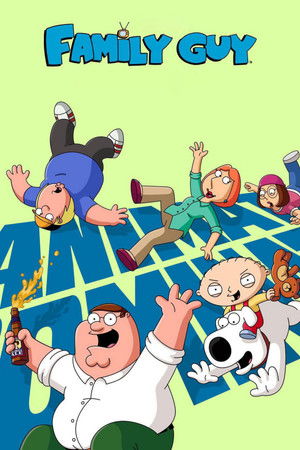
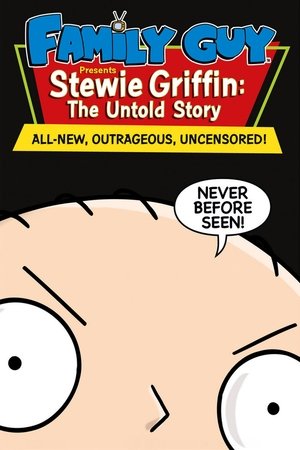
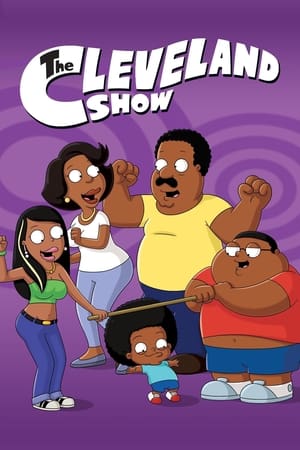
The Family Guy collection is a cornerstone of modern adult animation, built upon the irreverent and chaotic exploits of the Griffin family in the fictional town of Quahog, Rhode Island. Created by Seth MacFarlane, the flagship series resurrected the primetime cartoon format with a distinct blend of cutaway gags, biting cultural satire, and a profound irreverence that spares no demographic or ideology. What began as a show about a bumbling, overweight patriarch and his dysfunctional household quickly evolved into a comedic universe where the boundaries of narrative logic are gleefully shattered, allowing for anything from decade-spanning time-travel arcs to elaborate musical numbers. The collection's signature lies in its manic energy and self-awareness, transforming the suburban family sitcom into a surreal, post-modern playground that reflects the absurdity of American life.\n\nThis universe expanded meaningfully with the spin-off series The Cleveland Show, which pivoted focus to the Griffins' mild-mannered neighbor, Cleveland Brown. By transplanting him to his Virginia hometown to form a new blended family, the collection explored a warmer, yet equally bizarre, dynamic that traded the original's cynicism for a more sentimental, character-driven brand of humor while maintaining the signature rapid-fire joke style. The expansion wasn't limited to television, as the collection also ventured into direct-to-video features. Family Guy Presents Stewie Griffin: The Untold Story served as a narrative bridge, stitching together a trilogy of stories that delved into the psyche of the family's megalomaniacal infant, Stewie. This feature-length exploration pushed the characters' development in ways a 22-minute episode could not, particularly by offering a twisted, sci-fi-tinged glimpse into Stewie's future, effectively proving that the show's elastic reality could sustain a longer, more emotionally complex story.\n\nCollectively, the Family Guy collection has cemented its legacy not just through longevity, but through its profound influence on the lexicon of internet-era comedy and its fearless, often controversial, engagement with the zeitgeist. It functions as a satirical time capsule of the 21st century, tackling shifting political landscapes and evolving social norms with a pugnacious refusal to be polite. Through its interlocking series and film, the collection has built a rich internal mythology of running gags, callbacks, and character crossovers that reward long-term viewership, creating a shared language with its audience. Its cultural impact is measured in its countless memes, quotable non-sequiturs, and its role in proving that an animated show, once canceled and resurrected by fan demand, could become a multi-platform juggernaut that continually reinvents the limits of televised taste.