Masters of the Universe Franchise
Collection 🎬 Collection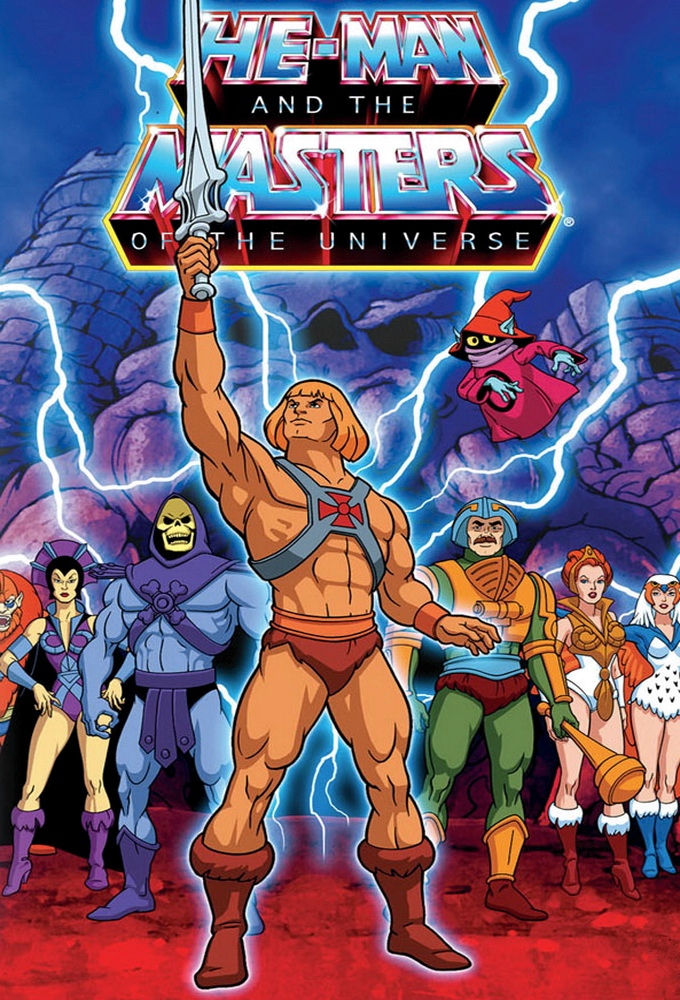
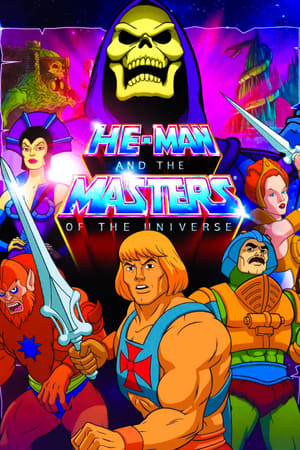
The Masters of the Universe saga is a mythic tapestry of science-fantasy that originated from a groundbreaking Mattel toy line in 1982. Conceived as a response to the success of smaller action figures, the line introduced larger, muscular characters like He-Man and Skeletor, quickly capturing the imaginations of children worldwide. The franchise’s core narrative—the noble Prince Adam’s transformation into He-Man to defend the secrets of Castle Grayskull from the forces of evil—established a timeless framework exploring the duality of identity and the responsible use of power. This foundation was cemented by the 1983 animated series, which infused the property with a colorful, moral-driven ethos that became a defining touchstone of 1980s pop culture.
Over the decades, the collection has demonstrated a remarkable capacity for reinvention, expanding its lore through multiple animated series, comic books, and a live-action film. Each iteration has reinterpreted the central conflict, from the space-faring adventures of The New Adventures of He-Man to the deeper, serialized storytelling of the 2002 reboot. The introduction of She-Ra expanded the universe further, weaving a connected mythology that broadened its thematic scope to include sisterhood and rebellion. This rich, layered history allows the property to shift seamlessly between light-hearted adventure and more mature, politically charged narratives.
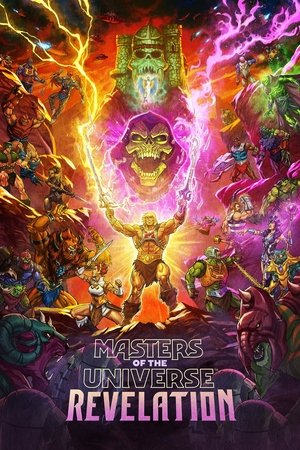
In its modern phase, the saga has embraced legacy-driven storytelling, most notably with Masters of the Universe: Revelation. This series, acting as a direct continuation of the original 1980s show, deconstructs its own mythology by exploring the aftermath of a magical cataclysm. It asks profound questions about trauma, faith, and the nature of heroism when the established order is shattered. This willingness to honor its past while fearlessly propelling the narrative into uncharted emotional territory has redefined the property for a new era, proving its themes are not merely nostalgic but deeply resonant.
Ultimately, Masters of the Universe endures as a powerful allegory for the eternal struggle between freedom and tyranny. Its iconic imagery, from the transforming power sword to the ominous visage of Skeletor, remains embedded in the collective consciousness. By continually adapting its operatic saga of heroism, sacrifice, and the battle for a magical world, the collection maintains a vibrant, living presence that reflects our own world’s conflicts and the enduring hope for a champion.