📺 9-1-1 (2018)
Part of 9-1-1 Franchise
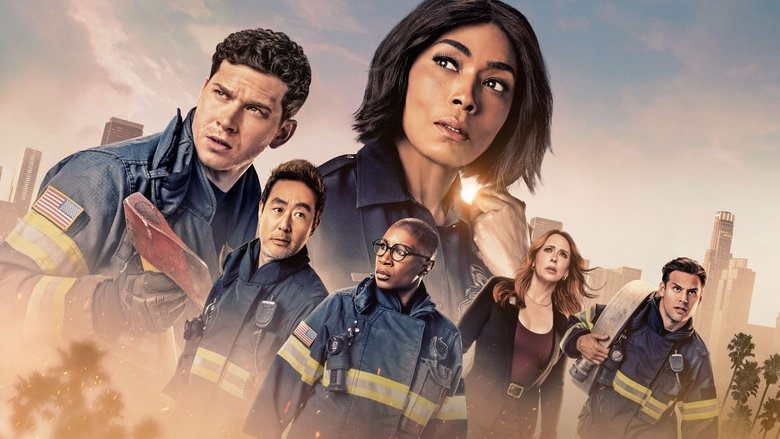
9-1-1 is an American procedural drama television series that premiered on Fox in 2018 before moving to ABC for its seventh season. Created by Ryan Murphy, Brad Falchuk, and Tim Minear, the series offers a high-octane look into the lives of Los Angeles first responders, including firefighters, paramedics, and police officers, as well as the 911 dispatchers who coordinate their responses. The show is known for its blend of intense, often bizarre emergency calls and the complex personal dramas of its ensemble cast, which features Angela Bassett as LAPD patrol sergeant Athena Grant, Peter Krause as fire captain Bobby Nash, and Jennifer Love Hewitt as dispatcher Maddie Buckley.
The series distinguishes itself within the procedural genre through its signature 'disaster-of-the-week' format, which has depicted everything from a massive earthquake and a tsunami to a rogue roller coaster and a bouncy castle taking flight. These large-scale emergencies are balanced with the characters' interpersonal relationships, forming a found-family dynamic at Station 118. The show's successful formula launched the 9-1-1 franchise, leading to the spin-off series 9-1-1: Lone Star, which is set in Austin, Texas, and premiered in 2020.
Behind the scenes, 9-1-1 is a joint production between Reamworks, Brad Falchuk Teley-Vision, and Ryan Murphy Television in association with 20th Television. The series has been a consistent ratings performer, prompting its network shift and multiple renewals. It was renewed for a ninth season that premiered in October 2025, and a tenth season was ordered in March 2026, cementing its status as a long-running staple of broadcast television.
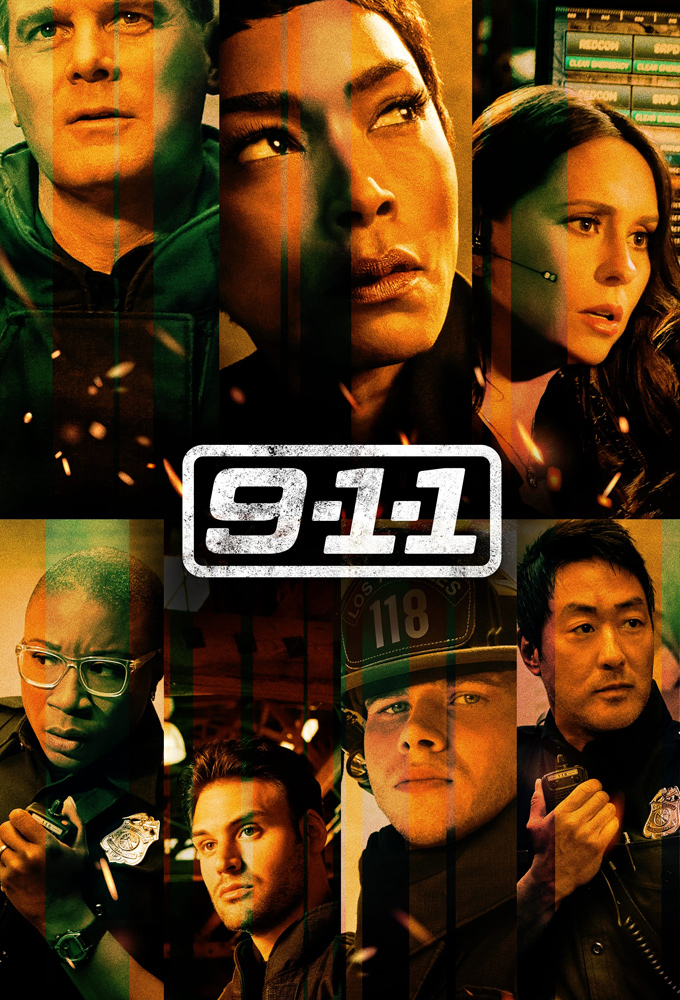
The "9-1-1" series is a procedural drama collection that shifts the focus from traditional crime-solving to the high-pressure, interconnected world of first responders. Created by Ryan Murphy, Brad Falchuk, and Tim Minear, the series explores the chaotic and often life-threatening emergencies faced by police officers, firefighters, and paramedics, emphasizing the human element behind every rescue. The original series, set in Los Angeles, established a blueprint of blending spectacular, large-scale disasters with the intimate personal struggles of its characters, revealing the psychological toll of a career spent on the front lines of crisis.
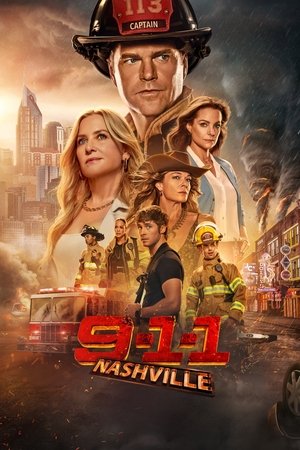
The collection expanded with "9-1-1: Lone Star," which relocated the action to Austin, Texas, and introduced a new ensemble led by a fire captain confronting his own mortality while rebuilding his team. This entry deepened the narrative by exploring themes of legacy, found family, and the unique challenges of a firehouse operating in a different cultural and environmental landscape. The upcoming "9-1-1: Nashville" promises to further adapt the core formula, infusing the established high-octane rescues with the distinct cultural texture of a new city, proving the concept's adaptability.
Collectively, the "9-1-1" series has become known for its unapologetic emotionality, groundbreaking LGBTQ+ representation, and its ability to stage cinematic-level catastrophes on a television budget. It consistently reminds audiences that behind every emergency call is a story worth saving, making it a resonant and evolving presence in modern television drama.